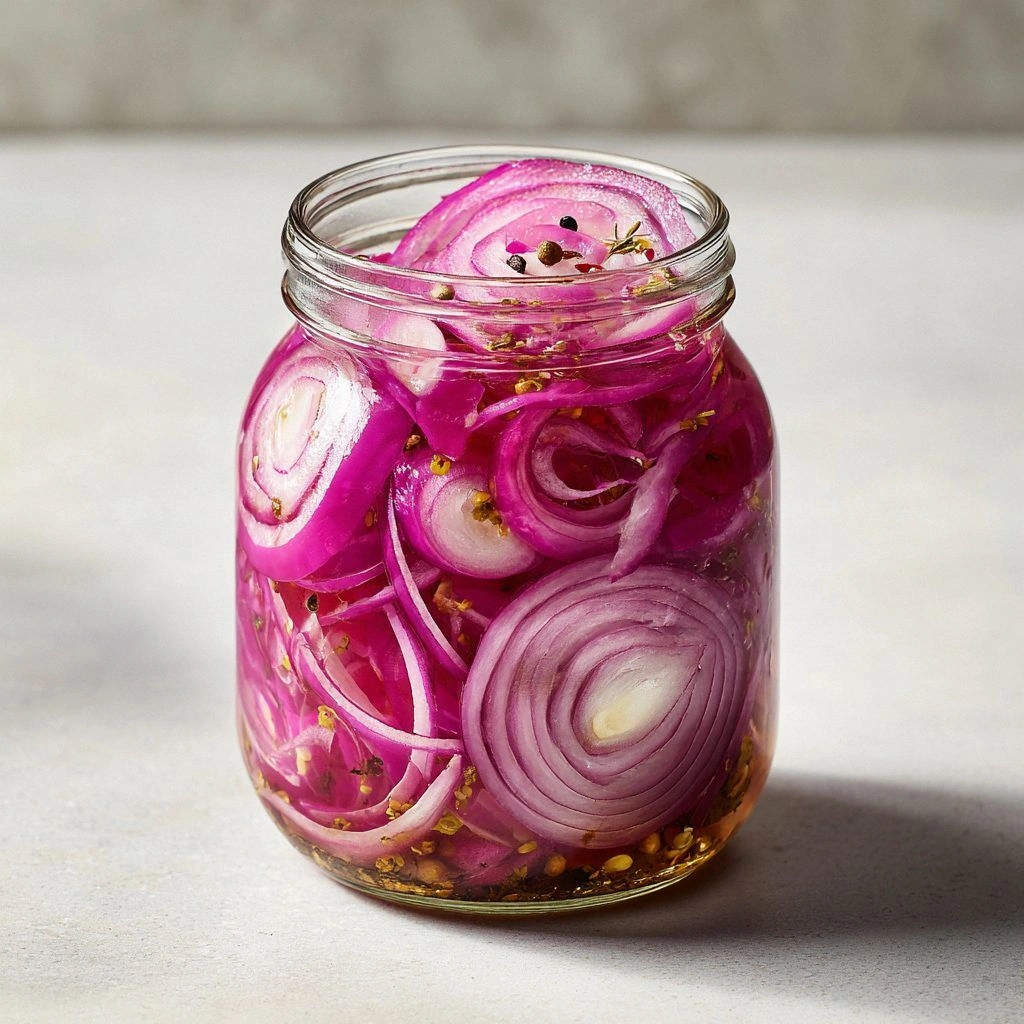
I was halfway through a week of bland, over‑cooked dinners when I remembered the last time I’d tried a rutabaga casserole. I’d been watching a cooking show that promised “comfort food with a twist” and, in a moment of culinary rebellion, I grabbed a root vegetable that everyone else seemed to avoid. The result was a golden, caramelized dish that made my taste buds do a little happy dance. If you’ve ever felt the urge to turn a humble tuber into something that feels like a warm hug, you’re in the right place.
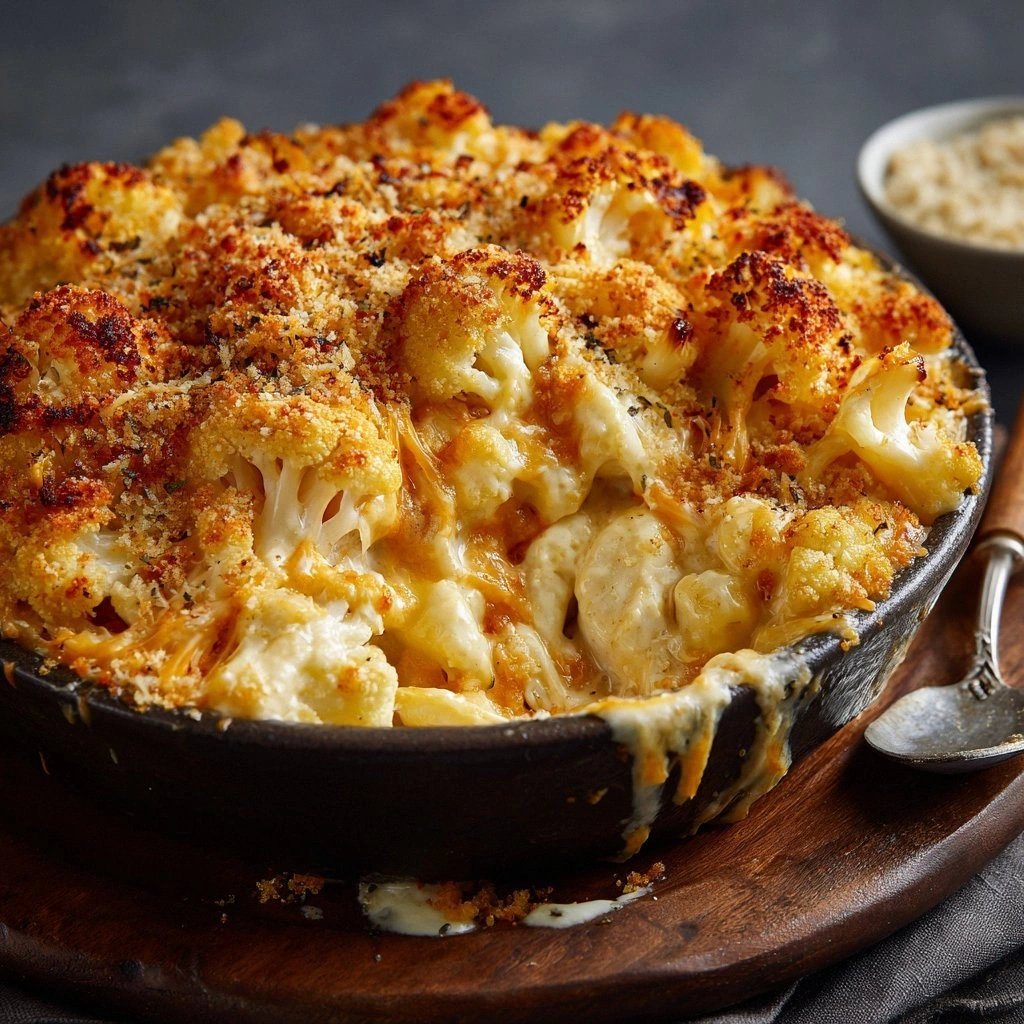
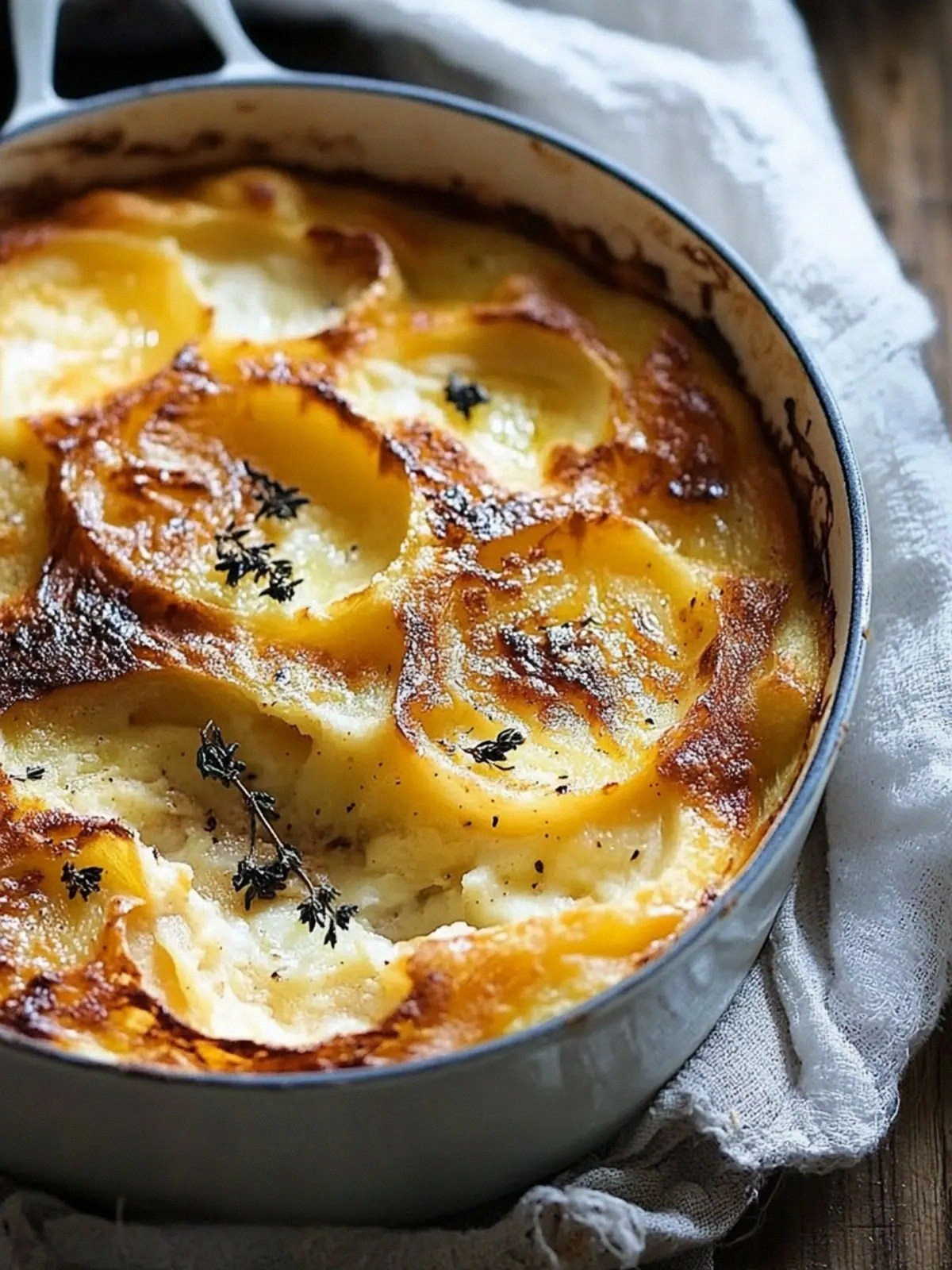
Picture this: a thick, buttery layer of Earth Balance melts into the sweet, earthy rutabaga, while the onions sizzle to a caramelized perfection that smells like autumn in a pot. As the casserole bakes, the edges begin to crisp, forming a golden crust that crackles like a campfire when you lift the spoon. The aroma that fills the kitchen is a heady mix of caramel and earth, a scent that instantly signals comfort. The first bite is a revelation—soft, sweet, and surprisingly silky, thanks to the eggs that bind everything together.
What makes this version stand out isn’t just the ingredients; it’s the way every component talks to the next. The Earth Balance adds a subtle buttery depth without overpowering the natural sweetness of the rutabaga. The eggs act like a velvety glue, holding the casserole together while creating a tender crumb. The onions bring a subtle, almost sweet sharpness that cuts through the richness, making each forkful a balanced bite. And the final golden crust? It’s the crowning glory that delivers a satisfying crunch.
I dare you to taste this and not go back for seconds. That’s the power of this dish—once you’ve had it, you’ll find yourself craving it again and again. This is hands down the best version you'll ever make at home, and I’m not exaggerating. If you’ve ever struggled with rutabaga casseroles, you’re not alone—and I’ve got the fix. Let me walk you through every single step—by the end, you’ll wonder how you ever made it any other way.
What Makes This Version Stand Out
- Taste: The caramelization of the rutabaga and onions creates a depth that feels both sweet and savory. The subtle buttery note from Earth Balance enhances the natural flavors without masking them. This balance turns a simple root vegetable into a flavor-packed centerpiece.
- Texture: The eggs give the casserole a silky interior that contrasts perfectly with the crisp, golden edges. The rutabaga remains tender yet firm, providing a satisfying bite. The result is a harmonious blend of creamy and crunchy.
- Simplicity: With only six core ingredients, this dish is a breeze to prepare. No complicated sauces or elaborate preparations—just slice, season, bake, and enjoy. It’s the perfect go-to for busy nights or lazy weekends.
- Uniqueness: Most rutabaga recipes rely on heavy gravies or cheese. Here, the eggs and Earth Balance take center stage, offering a lighter, yet still indulgent, profile. It’s a fresh take that surprises the palate.
- Crowd Reaction: Guests who’ve tasted this rave about the comforting texture and the subtle caramel notes. It’s a dish that invites conversation and second servings. The crowd-pleasing factor is undeniable.
- Ingredient Quality: Using fresh, organic rutabaga ensures the dish’s base is naturally sweet. Earth Balance’s plant-based butter adds a clean, nutty flavor. The combination elevates the overall taste experience.
- Cooking Method: Baking allows the flavors to meld while the edges caramelize. It’s a low‑effort technique that yields high rewards. The oven does the heavy lifting, letting you focus on the aroma.
- Make‑Ahead Potential: Prepare the casserole a day ahead and reheat for a quick, comforting meal. The flavors deepen with time, making it a great option for meal prep enthusiasts.
Alright, let's break down exactly what goes into this masterpiece...
Inside the Ingredient List
The Flavor Base
Earth Balance or margarine is the unsung hero that brings a buttery richness to the casserole. It melts into the rutabaga, creating a silky coating that enhances caramelization. Skipping it would leave the dish feeling dry and lacking depth. If you prefer a dairy-free option, look for a plant‑based butter with a mild flavor.
The Texture Crew
Eggs are the binding agent that transforms the casserole into a cohesive, tender structure. They also help achieve a golden top that’s both crisp and slightly chewy. If you’re looking to lower cholesterol, you can replace one egg with a flaxseed egg—just mix 1 tablespoon ground flaxseed with 3 tablespoons water and let sit for 5 minutes.
The Unexpected Star
Rutabaga is often overlooked, but it brings a subtle sweetness that pairs beautifully with caramelized onions. Its natural sugars bloom during baking, creating a depth of flavor that’s both comforting and surprising. If you can’t find fresh rutabaga, frozen works just as well—just thaw and drain before use.
The Final Flourish
Onion adds a savory backbone that cuts through the richness of the eggs and butter. It also contributes a caramelized sweetness that balances the dish’s overall profile. For a subtle twist, try adding a pinch of smoked paprika to the onion mixture, giving the casserole a smoky undertone.
Everything's prepped? Good. Let's get into the real action...
The Method — Step by Step
- Preheat the oven to 375°F (190°C). This temperature allows the rutabaga to cook evenly while the edges develop a beautiful golden crust. Keep an eye on the oven rack; a middle position ensures even heat distribution.
- Prepare the rutabaga. Peel and slice it into 1/4‑inch rounds. The uniform thickness guarantees that each piece cooks at the same rate, preventing any soggy spots. Toss the slices in a little olive oil to help the caramelization process.
- Sauté the onions. In a skillet, melt half of the Earth Balance over medium heat. Add the diced onion and cook until translucent and slightly browned. The onions should develop a sweet aroma that hints at the caramelization to come.
- Layer the casserole. In a baking dish, spread a thin layer of the sautéed onions. Arrange a single layer of rutabaga slices on top, then sprinkle a pinch of salt and pepper. Repeat the layers until all ingredients are used, finishing with a top layer of onions.
- Whisk the eggs. In a bowl, beat the eggs with a splash of milk or water. This creates a light, airy binder that helps the casserole set without becoming dense.
- Pour the egg mixture. Gently pour the beaten eggs over the layered casserole, ensuring the liquid seeps into every corner. The eggs will coat the layers, creating a cohesive structure.
- Finish with the remaining Earth Balance. Drizzle the rest of the butter over the top. This extra fat helps the edges crisp and adds a buttery finish. The top will turn golden brown as it bakes.
- Bake the casserole. Place the dish in the preheated oven and bake for 30 minutes. Halfway through, check for a golden crust. If it’s not yet golden, increase the temperature by 25°F for the remaining time.
- Rest before serving. Remove the casserole from the oven and let it rest for 10 minutes. This allows the eggs to set fully, making slicing easier and preventing a runny center.
- Serve hot. Cut into portions and serve immediately. The first bite will showcase the caramelized edges, the silky interior, and the comforting aroma that made you fall in love with this dish.
That's it — you did it. But hold on, I've got a few more tricks that'll take this to another level...
Insider Tricks for Flawless Results
The Temperature Rule Nobody Follows
Many people bake at 350°F, but this dish thrives at 375°F. The higher temperature encourages caramelization without drying out the interior. If you’re using a convection oven, lower the temperature by 25°F to avoid over‑browning.
Why Your Nose Knows Best
The smell of caramelizing onions is the first indicator of flavor development. If the onions smell sweet and nutty, you’re on the right track. A faint, raw onion scent means you need to cook them a bit longer.
The 5‑Minute Rest That Changes Everything
Resting the casserole for 10 minutes after baking allows the eggs to set, making the dish easier to slice. It also lets the flavors meld, creating a more cohesive taste. Skipping this step often results in a runny center.
Use a Non‑Stick Baking Dish
A silicone or glass dish keeps the casserole from sticking, which can ruin the presentation. It also distributes heat evenly, ensuring consistent browning. If you’re using a metal pan, lightly grease it first.
Add a Touch of Sweetness
A drizzle of maple syrup or a sprinkle of brown sugar over the top before baking adds a subtle sweet note that balances the earthiness. Use sparingly; too much sugar can overpower the dish.
Serve with a Fresh Green Salad
A crisp green salad with a citrus vinaigrette cuts through the richness of the casserole. The acidity brightens the flavors and provides a refreshing contrast. It’s a simple way to elevate the meal.
Creative Twists and Variations
Cheesy Rutabaga Casserole
Sprinkle shredded cheddar or Gruyère over the top before baking. The cheese melts into a golden crust, adding a creamy richness that pairs well with the sweet rutabaga. Perfect for a cozy family dinner.
Vegan Version
Replace the eggs with a flaxseed or chia egg, and use a plant‑based butter for the Earth Balance. The texture stays firm, and the flavor profile remains comforting. Ideal for plant‑based diners.
Spicy Rutabaga Casserole
Add a pinch of cayenne pepper or a splash of hot sauce to the egg mixture. The heat adds a lively kick that contrasts with the sweet base. Great for those who like a little spice.
Herb‑Infused Delight
Stir in chopped fresh rosemary or thyme with the onions. The herbs impart a fragrant aroma that elevates the dish. This variation works wonderfully for a rustic, herb‑heavy menu.
Breakfast‑Style Casserole
Add diced ham or bacon to the layers. The salty meat complements the sweet rutabaga, creating a breakfast‑friendly dish that can be served with a side of fruit.
Gluten‑Free Take
Use a gluten‑free baking dish or a cast‑iron skillet. The dish remains naturally gluten‑free, and the eggs provide the necessary structure. No extra steps needed.
Storing and Bringing It Back to Life
Fridge Storage
Cool the casserole completely, then cover tightly with aluminum foil or plastic wrap. Store in the refrigerator for up to 3 days. The flavors intensify, making it even more comforting.
Freezer Friendly
Place the cooled casserole in an airtight container or freezer bag. Freeze for up to 2 months. When ready to eat, thaw overnight in the refrigerator before reheating.
Best Reheating Method
Preheat the oven to 350°F (175°C). Place the casserole in a baking dish, cover with foil, and bake for 20–25 minutes. Add a splash of water or broth before reheating to keep the interior moist; this steams the dish back to perfection.