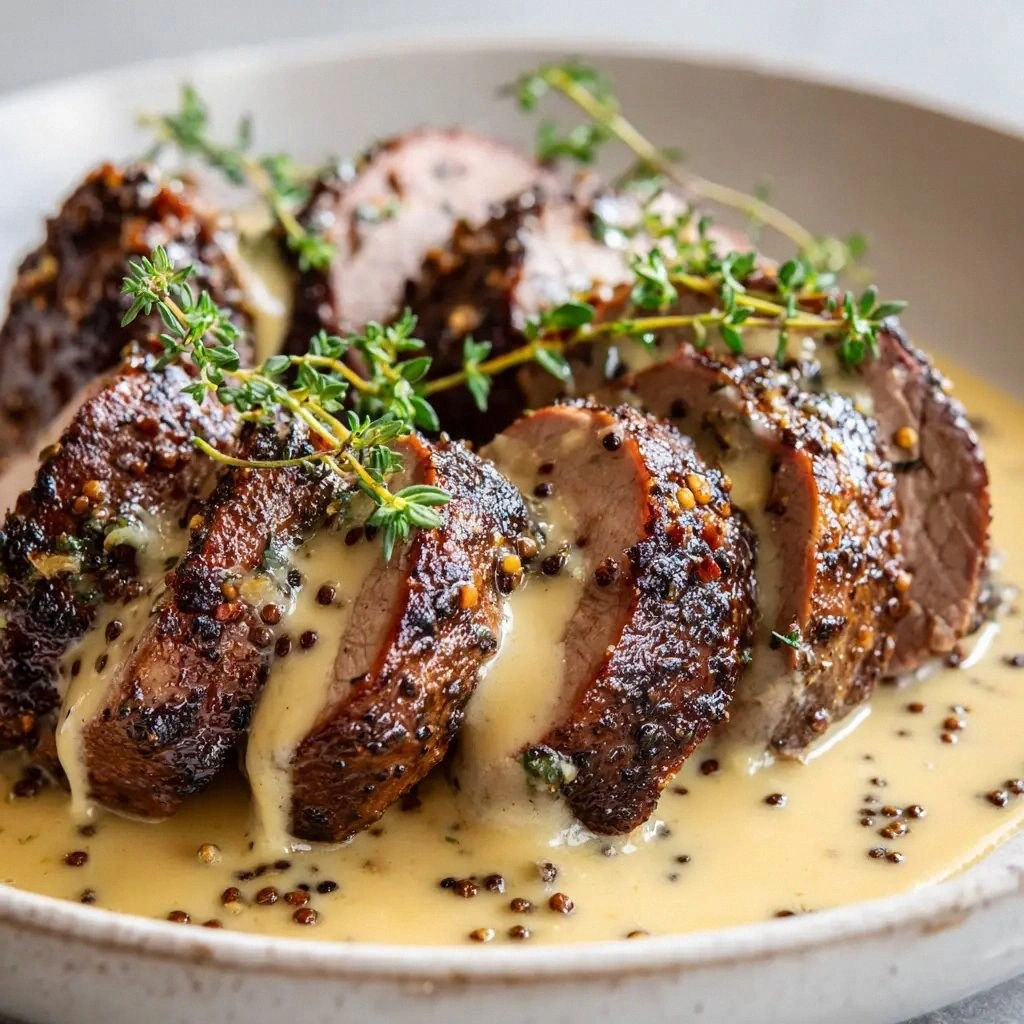
The first time I tried to make a pan‑seared pork tenderloin, I turned my kitchen into a smoky battlefield. The pork was undercooked, the sauce was a watery mess, and my friends were politely saying, “It’s… interesting.” I swore I’d never again trust a recipe that left me guessing about the texture of the meat or the thickness of the sauce. Fast forward a year later, I’ve refined the technique into a flawless routine that turns every bite into a buttery, caramelized masterpiece. The moment the pork hits the hot pan, a sizzling chorus fills the kitchen, and the aroma of garlic and shallot begins to weave its spell. I’ve discovered a secret trick that turns a simple sear into a caramelized crust that crackles like a crisp autumn leaf.
Picture this: a perfectly seared pork tenderloin that glistens with a golden crust, a velvety Dijon mustard sauce that coats the meat like silk, and a splash of white wine that adds a subtle brightness. The first bite is a burst of savory depth, followed by the mellow sweetness of the cream, and finished with a bright herbal note from thyme and parsley. If you’ve ever struggled with pork that ends up dry or a sauce that never quite thickens, you’re not alone—and I’ve got the fix. I dare you to taste this and not go back for seconds because the flavor will haunt you in the best way possible. Most recipes get this completely wrong, but here’s what actually works: a precise sear, a deglaze that pulls every caramelized brown bit, and a sauce that’s thickened by mustard rather than flour. And now, ready to dive into the game‑changer? Let me walk you through every single step — by the end, you’ll wonder how you ever made it any other way.
I’ve spent countless evenings experimenting with different marinades, rubs, and searing temperatures, but this version is hands down the best you’ll ever make at home. The secret lies in the balance of the Dijon and whole‑grain mustards, the subtle acidity from the wine, and the creamy finish that doesn’t overpower the pork. The pork itself is tender enough to melt in your mouth, yet firm enough to hold its shape when sliced. The sauce, on the other hand, is thick enough to cling to the meat but still light enough to feel like a drizzle. When you plate it, the glossy sheen of the sauce glistens against the bright green parsley, creating an eye‑catching contrast that makes the dish look as good as it tastes. If you’re looking for a dish that feels like a gourmet restaurant experience but can be whipped up in a single pan, this is the recipe for you.
What’s the real twist? I’ve swapped the usual cream‑based sauce for a mustard‑infused cream that adds depth without drowning the pork. I’ve also introduced a quick deglaze with white wine that pulls the browned bits from the pan, turning them into flavor gold. The result is a sauce that coats the pork like velvet, with a subtle tang that cuts through the richness of the butter and cream. The final touch is a splash of fresh thyme that gives the dish a fragrant, herbaceous lift. Most people forget that a single sprig of thyme can elevate the entire flavor profile. And that’s just the beginning; the real magic happens when you let the pork rest before serving, allowing the juices to redistribute and the flavors to settle.
What Makes This Version Stand Out
- Flavor Depth: The combination of Dijon and whole‑grain mustard creates a layered, peppery bite that’s both sharp and mellow. The white wine deglaze adds a subtle acidity that brightens the dish, while the heavy cream provides a silky finish that doesn’t feel heavy.
- Texture Contrast: A crisp, caramelized crust on the pork gives a satisfying bite that breaks cleanly, while the tender interior remains juicy and buttery. The sauce’s thickness ensures it clings to the meat, creating a cohesive mouthfeel.
- Ease of Execution: With only a few key ingredients and a single pan, this recipe is a breeze to prepare. The method is straightforward, so even novice cooks can achieve restaurant‑level results.
- Ingredient Quality: Using a fresh pork tenderloin and high‑quality Dijon mustard elevates the dish. The choice of whole‑grain mustard adds texture and a subtle nutty flavor that complements the pork.
- Crowd‑Pleaser: Whether you’re cooking for a date or a family dinner, the dish’s elegant presentation and rich flavor will impress. Guests will keep asking for the recipe, and you’ll have a new signature dish to brag about.
- Make‑Ahead Friendly: The pork can be cooked ahead, refrigerated, and reheated with a splash of broth to keep it moist. The sauce can also be made in advance and warmed gently to avoid curdling.
- Versatility: Pair it with roasted root vegetables, a crisp salad, or creamy polenta for a complete meal. The sauce also works well with mashed potatoes or a simple risotto.
Inside the Ingredient List
The Flavor Base
The foundation of this dish starts with the aromatics: a finely minced shallot and two cloves of crushed garlic. The shallot provides a subtle sweetness that balances the sharpness of the mustard, while the garlic adds depth and warmth. If you skip the shallot, the sauce will lack that delicate, oniony undertone, making the dish feel one‑dimensional. For a more robust flavor, you can add a pinch of dried thyme along with the fresh sprigs.
The Texture Crew
Olive oil and butter are the unsung heroes that create the sear’s golden crust. The oil’s high smoke point allows the pork to brown quickly, while the butter adds richness and a subtle nutty flavor. The combination also helps prevent the pork from drying out. If you’re watching your fat intake, you can reduce the butter to half a tablespoon, but the flavor will be noticeably different.
The Unexpected Star
White wine is the unsung hero that lifts the sauce and pulls the caramelized bits from the pan. The acidity balances the richness of the cream, while the alcohol evaporates during cooking, leaving behind a subtle fruitiness. If you’re avoiding alcohol, substitute with chicken broth and a splash of apple cider vinegar to mimic the acidity.
The Final Flourish
Fresh parsley and thyme are the finishing touches that add a burst of color and herbaceous aroma. The parsley’s bright green hue makes the dish visually appealing, while the thyme’s earthy notes complement the mustard’s sharpness. If you’re not a fan of thyme, you can substitute with rosemary or even a sprinkle of dill for a different herbal profile. Remember, the herbs should be added at the end to preserve their fresh flavor.
Everything's prepped? Good. Let's get into the real action...
The Method — Step by Step
- Prepare the Pork: Pat the pork tenderloin dry with paper towels until it’s completely dry. This step is crucial for a perfect sear; moisture on the surface will create steam and prevent browning. Season both sides generously with kosher salt and freshly ground black pepper, ensuring an even coating. Let it sit at room temperature for about 10 minutes while you prepare the sauce.
- Heat the Pan: Place a large heavy‑bottom skillet over medium‑high heat and add the tablespoon of olive oil. Wait until the oil shimmers but isn’t smoking before adding the pork. The pan should be hot enough that the pork sizzles loudly upon contact, creating a caramelized crust.
- Sear the Pork: Place the pork in the pan and sear for 2–3 minutes on each side, or until a deep golden crust forms. Avoid moving the pork too much; let it develop a beautiful sear before flipping. This step locks in juices and builds flavor. Watch the edges; they will start to pull away from the pan when ready to flip.
- Add Butter and Aromatics: Reduce the heat to medium and add the tablespoon of butter to the pan. As the butter melts, add the minced shallot and crushed garlic. Cook for 1–2 minutes, stirring constantly, until the shallot becomes translucent and the garlic releases its aroma. This creates the flavor base for the sauce.
- Deglaze with Wine: Pour in the 0.25 cup of dry white wine, scraping the bottom of the pan with a wooden spoon to loosen all the browned bits. The wine will reduce by half in about 2 minutes, concentrating the flavor and creating a rich base for the sauce. The aroma will become intoxicating, signaling that the sauce is developing.
- Introduce Broth and Mustards: Add the 0.5 cup of low‑sodium chicken broth, 2 tablespoons of Dijon mustard, and 1 tablespoon of whole‑grain mustard. Stir vigorously to combine, ensuring the mustard fully emulsifies with the liquid. This mixture thickens slightly and adds a complex peppery profile. If the sauce feels too thin, let it simmer for an additional minute.
- Finish with Cream: Lower the heat to medium‑low and stir in the 0.5 cup of heavy cream. The cream will smooth out the mustard’s sharp edges and give the sauce a luxurious mouthfeel. Let the sauce simmer gently for 2–3 minutes, stirring occasionally, until it coats the back of a spoon. The pork should be cooked through; the internal temperature should reach 145°F.
- Rest the Pork: Remove the pork from the pan and transfer it to a cutting board. Tent loosely with foil and let it rest for 5 minutes. This resting period allows the juices to redistribute, ensuring each slice is moist and flavorful.
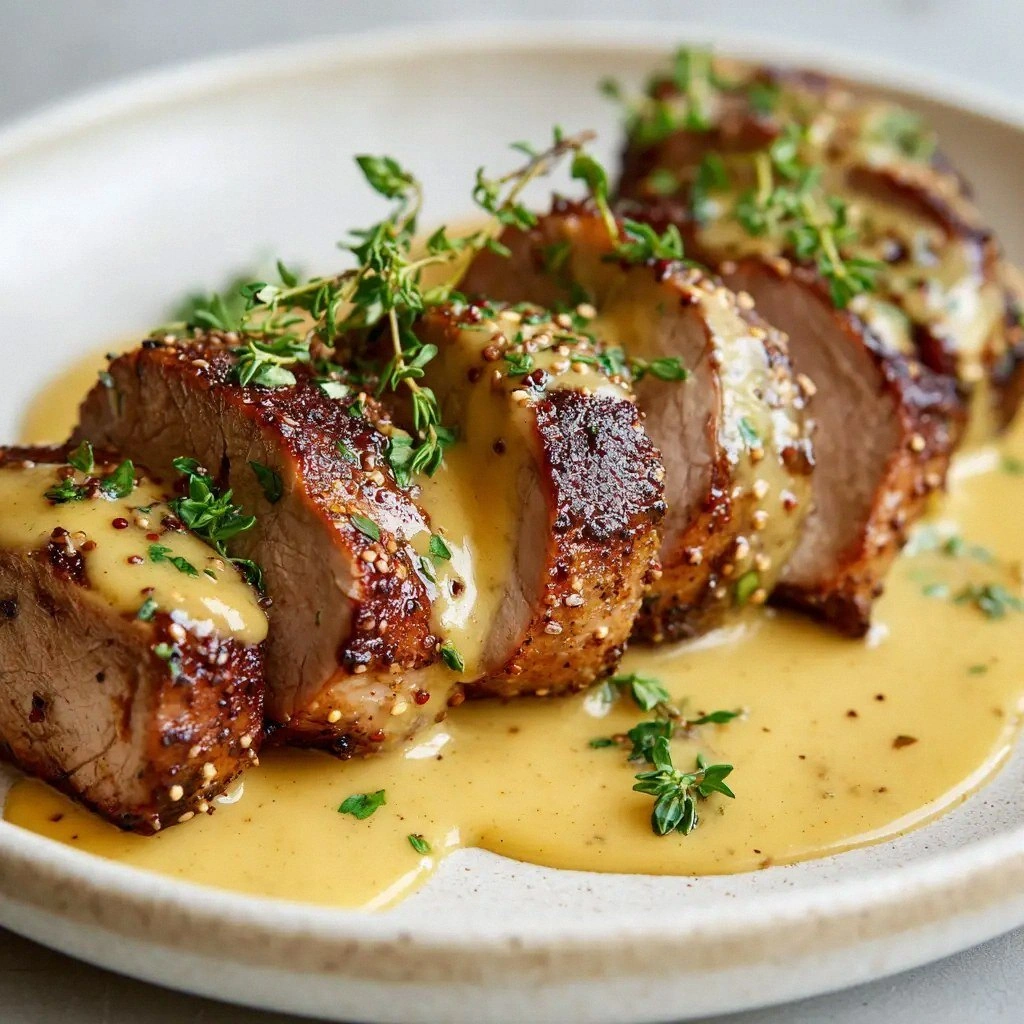
- Plate and Garnish: Slice the pork into medallions and arrange them on a warmed plate. Spoon the mustard cream sauce over the slices, drizzle a little extra butter if desired, and scatter fresh parsley and thyme sprigs for a pop of color. Serve immediately with your choice of sides.
That's it — you did it. But hold on, I've got a few more tricks that'll take this to another level...
Insider Tricks for Flawless Results
The Temperature Rule Nobody Follows
Many cooks think a medium‑high flame is enough for a perfect sear, but the secret is to start with a very hot pan. Let the skillet heat for at least 5 minutes before adding oil. A quick test: splash a few drops of water; if they evaporate instantly, the pan is ready. This ensures an even crust and prevents the pork from steaming instead of searing.
Why Your Nose Knows Best
When the pork is nearly done, trust your nose. The aroma of caramelized onions and garlic will fill the kitchen, signaling that the meat is ready to rest. If the smell is too sharp, let it sit a bit longer; if it’s too faint, you need more time on the heat.
The 5‑Minute Rest That Changes Everything
Letting the pork rest for five minutes after cooking is the secret to juicy slices. The juices redistribute throughout the meat, preventing them from spilling onto the cutting board. I once sliced the pork immediately and ended up with a dry center. Since then, I’ve never skipped the rest period.
The Mustard Emulsion Trick
When adding the Dijon and whole‑grain mustard, whisk them into the broth and wine before adding the cream. This technique creates a stable emulsion that thickens the sauce naturally, eliminating the need for a roux or flour. The result is a silky sauce that clings to the pork.
The Herb Timing
Fresh herbs lose their flavor quickly when exposed to heat. Add thyme during the deglaze stage and parsley right at the end. This preserves their bright, aromatic qualities and gives the dish a fresh finish.
Creative Twists and Variations
This recipe is a playground. Here are some of my favorite ways to switch things up:
Maple‑Glazed Pork
Replace the white wine with a splash of pure maple syrup and reduce the mustard by half. The result is a sweet‑spicy glaze that pairs beautifully with roasted sweet potatoes. Your guests will love the caramelized finish.
Herb‑Infused Cream
Add a handful of chopped rosemary or sage to the sauce during the simmer stage. The earthy herbs deepen the flavor profile and add a rustic touch. This variation is perfect for fall gatherings.
Citrus‑Bright Version
Squeeze a tablespoon of fresh lemon juice into the sauce at the end. The citrus brightness cuts through the richness and adds a zesty kick. Pair it with a green salad for a balanced meal.
Spicy Kick
Incorporate a pinch of crushed red pepper flakes with the garlic and shallot. The mild heat adds depth without overwhelming the pork’s natural flavor. This is ideal for dinner parties where you want a little excitement.
Creamy Mushroom Side
Sauté sliced mushrooms in the same pan after removing the pork. Use the leftover fond to deglaze and create a mushroom‑creamy sauce that complements the pork. This gives a hearty, comforting twist.
Storing and Bringing It Back to Life
Fridge Storage
Store leftover pork in an airtight container in the refrigerator for up to 3 days. Keep the sauce separate to prevent the meat from becoming soggy. When reheating, gently warm the pork in a skillet over low heat, adding a splash of broth to keep it moist.
Freezer Friendly
For longer storage, wrap the pork tightly in plastic wrap and place it in a freezer bag. It can be kept for up to 2 months. Thaw overnight in the refrigerator before reheating. The sauce can also be frozen; just whisk in a little water before reheating to maintain consistency.
Best Reheating Method
Reheat the pork and sauce together over low heat, stirring gently. Add a tiny splash of water or broth before reheating; it steams back to perfection and prevents the sauce from thickening too much. Serve immediately for the best texture.