I was halfway through a frantic Sunday dinner prep when the kitchen went from a culinary playground to a potential disaster zone. I had just roasted a chicken, chopped a bag of carrots, and started sautéing onions when the stove suddenly sputtered and the timer dinged with a sizzling pop—my onions were charred and the pot was boiling over. My neighbor called me a “chef in crisis” and dared me to turn this chaos into a dish that would make her forget the mess. That dare turned into my obsession: the ultimate Lemon Turmeric Pearl Couscous that would turn a kitchen calamity into a triumph.
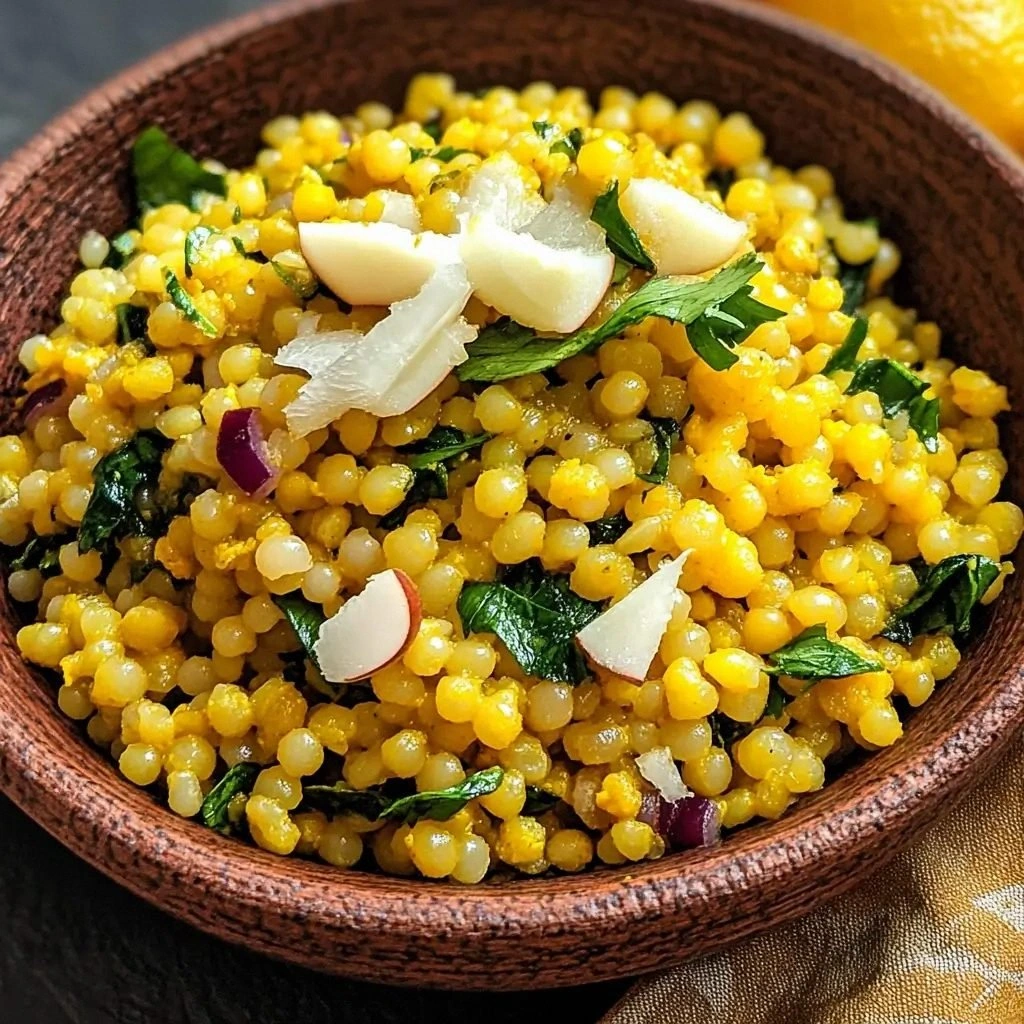
Picture this: the moment you open the pot and a bright, golden mist rises, carrying the sharp citrus tang of fresh lemon zest, the warm, earthy glow of turmeric, and the comforting aroma of toasted almonds. Your ears catch the gentle pop of the couscous as it expands, the gentle clink of the ladle against the stainless steel. The first bite is a burst of bright lemon, a subtle peppery kick, and a silky, fluffy texture that melts in your mouth like velvet. The crunch of almonds adds a satisfying contrast, while the feta’s briny tang ties everything together. Every element is a sensory masterpiece, and the whole plate glistens like a sunrise over a calm sea.
What makes this version stand out is that it’s not just another couscous recipe. I’ve stripped away the fluff and kept only the ingredients that sing together. The combination of lemon and turmeric is a flavor duo that brightens and warms at the same time, while the pearl couscous offers a chewy bite that’s far superior to the usual fluffy grains. I added a touch of toasted almonds for texture and a splash of feta for depth, turning a simple side dish into a showstopper that will have your guests asking for the recipe. I dare you to taste this and not go back for seconds—trust me, it’s addictive.
If you’ve ever struggled to balance brightness with earthiness, you’re not alone. I’ve been there, watching the lemon peel slip off the knife, feeling the frustration of a dish that feels too bland or too overpowering. This recipe solves that problem by layering flavors at the right moments and using the right cooking technique. By the end of this post, you’ll wonder how you ever made it any other way, and you’ll have a new favorite dish that’s both simple and spectacular.
What Makes This Version Stand Out
- Flavor: The bright citrus from lemon zest and juice cuts through the earthy warmth of turmeric, creating a vibrant profile that lingers on the palate.
- Texture: Pearl couscous delivers a chewy, satisfying bite that contrasts with the crisp almonds and creamy feta.
- Ease: The recipe requires minimal prep, with all steps happening in one pot and a single pan.
- Versatility: It works as a side for grilled meats, a main for vegetarian meals, or a light lunch when paired with a salad.
- Nutrition: Packed with plant‑based protein from couscous, healthy fats from olive oil, and antioxidants from turmeric.
- Make‑ahead: You can prepare it up to 48 hours in advance; the flavors only deepen.
- Presentation: The golden hue of turmeric and the pop of fresh parsley make it Instagram‑ready.
- Crowd‑pleaser: Even the most skeptical diners rave about the bright, comforting flavors.
Inside the Ingredient List
The Flavor Base
The foundation of this dish is the citrusy, earthy duo of lemon and turmeric. Lemon zest provides a sharp, aromatic burst that wakes up the senses, while the turmeric adds a warm, slightly peppery depth that grounds the bright acidity. Together they create a flavor profile that feels both refreshing and comforting. If you skip the lemon, the dish becomes flat; if you omit the turmeric, it loses that subtle golden glow and depth.
The Texture Crew
Pearl couscous is the star of the show, offering a chewy bite that’s a step away from the fluffiness of regular couscous. The toasted almonds introduce a crunchy element that breaks up the soft grains, while the feta provides a creamy, salty contrast that melts into the dish. Skipping the almonds will leave the dish feeling too uniform, and cutting the feta will reduce the savory richness.
The Unexpected Star
Cherry tomatoes might seem like a simple garnish, but their sweet acidity balances the richness of the feta and the earthiness of the turmeric. When you toss them in at the last minute, they release a burst of juice that coats the grains in a glossy, flavorful sauce. Leaving them out will make the dish feel a little dry and less vibrant.
The Final Flourish
Fresh parsley is the final touch that adds a green pop of color and a hint of herbal brightness. It also acts as a bridge between the warm, earthy flavors and the bright citrus notes. If you prefer a milder herb, a sprinkle of dill or basil can work, but parsley keeps the dish grounded. Remember, the parsley should be added at the very end to keep its color and flavor fresh.
Everything’s prepped? Good. Let’s get into the real action.
The Method — Step by Step
- Heat the olive oil in a large, deep skillet over medium heat until it shimmers. Add the minced garlic and sauté for 30 seconds, just until fragrant—watch for the garlic to turn a light golden color, not brown. This step builds the aromatic base; if you rush it, you’ll miss the subtle nutty flavor that garlic imparts. I’ve found that a quick, gentle sauté keeps the garlic from becoming bitter.
- Sprinkle the turmeric and a pinch of salt into the skillet. Stir constantly for 15 seconds to release the turmeric’s aroma. The oil should take on a subtle golden hue. This is the moment the dish starts to look like it’s going to be extraordinary. Don’t let the turmeric burn—keep the heat moderate.
- Pour in the vegetable broth and bring to a gentle simmer. Add the pearl couscous and stir to combine. Cover the skillet with a lid and let it simmer for 10 minutes, or until the couscous has absorbed the liquid and is tender. The steam will create a light, fluffy texture that’s perfect for holding the lemon and turmeric flavors. If you lift the lid too early, the couscous will be undercooked.
- Reduce the heat to low and stir in the lemon zest and lemon juice. The acidity will brighten the dish and counterbalance the earthiness of the turmeric. Keep the mixture covered for another 2 minutes to allow the flavors to meld. The aroma will become citrusy, and the couscous will take on a subtle yellow glow.
- Add the toasted almonds and chopped parsley. Stir gently to distribute the nuts evenly without breaking them apart. The almonds add crunch, while the parsley adds a fresh, herbal note that lifts the dish. If you skip the almonds, the texture will feel flat.
- Fold in the halved cherry tomatoes and crumble the feta over the top. Toss lightly so the tomatoes coat the grains without breaking. The tomatoes’ juice will create a glossy sauce that coats every grain, and the feta will melt into pockets of creamy saltiness. This step is the climax of the dish’s flavor.
- Taste and adjust seasoning with salt and pepper, if needed. If the dish feels a little dry, add a splash of the reserved cooking liquid. The final texture should be moist, fluffy, and slightly chewy, with bright pops of lemon and a hint of spice.
- Serve immediately, garnishing with a few extra parsley leaves and a drizzle of olive oil if you like. The dish should look like a bright, golden bowl of sunshine. If you’re serving it for a crowd, keep it warm in a low oven (about 200°F) until ready to serve.
That’s it — you did it. But hold on, I’ve got a few more tricks that will take this to another level.
Insider Tricks for Flawless Results
The Temperature Rule Nobody Follows
Maintaining a low, steady simmer during the couscous cooking phase is critical. Too high a heat will cause the grains to burst and become mushy, while too low a heat can leave them undercooked. I recommend setting your stove to medium‑low and using a heavy‑bottomed skillet to distribute heat evenly. If the liquid starts to evaporate too quickly, add a splash of broth or water to keep the couscous moist.
Why Your Nose Knows Best
Before you add the lemon juice, give the dish a quick sniff. If it smells bright and citrusy, you’re on the right track. If it smells flat or slightly bitter, the lemon might be too old or the turmeric might have burned. Trust your nose; it’s the best judge of flavor balance.
The 5‑Minute Rest That Changes Everything
Once the couscous has finished cooking, let it rest covered for 5 minutes. This allows the grains to steam and become even fluffier, and it gives the flavors time to meld. During this rest, the lemon and turmeric flavors will deepen, creating a more complex taste profile. Skipping this step will make the dish feel underdeveloped.
The Secret of Toasted Almonds
Almonds add crunch and depth, but they can quickly go from toasted to burnt. Keep them in a single layer in a dry skillet, stir frequently, and remove them from heat as soon as they’re golden. If you’re adding them to a hot dish, let them cool slightly first to prevent them from absorbing excess moisture.
The One‑Ingredient Swap
If you’re allergic to dairy or prefer a vegan version, swap the feta for crumbled goat cheese or a vegan cheese alternative. The key is to choose something that melts slightly and offers a salty kick. The rest of the flavors will shine through just as brightly.
Creative Twists and Variations
This recipe is a playground. Here are some of my favorite ways to switch things up:
Spicy Sriracha Kick
Add a tablespoon of sriracha during the simmering phase to give the dish a fiery edge. The heat pairs beautifully with the lemon’s brightness and the turmeric’s warmth, creating a complex, layered flavor.
Mediterranean Herb Blend
Swap the parsley for a mix of oregano, thyme, and basil. This herb blend gives the couscous a deeper, earthy aroma that complements the feta and tomatoes.
Citrus‑Glazed Shrimp
Sauté peeled shrimp with a splash of lemon juice and garlic, then toss them into the couscous at the last step. The shrimp add protein and a juicy bite that elevates the dish into a full‑blown entrée.
Roasted Veggie Medley
Roast diced butternut squash, red bell pepper, and zucchini until caramelized. Fold the veggies into the couscous for a hearty, autumn‑ready twist that brings sweetness and color.
Pesto Swirl
Stir in a couple of spoonfuls of basil pesto just before serving. The pesto’s nutty, garlicky flavor adds depth and a vibrant green hue.
Breakfast‑Style Quinoa
Replace pearl couscous with quinoa for a protein‑rich, gluten‑free breakfast option. Add a drizzle of honey and a sprinkle of cinnamon to finish it off like a warm, savory porridge.
Storing and Bringing It Back to Life
Fridge Storage
Store the couscous in an airtight container in the refrigerator for up to 3 days. The flavors will continue to meld, making it even tastier the next day. Keep the feta separate if you want to preserve its texture.
Freezer Friendly
Freeze in a freezer‑safe container for up to 2 months. When reheating, thaw overnight in the fridge and then stir in a splash of broth or water to rehydrate the grains. The texture will stay fluffy.
Best Reheating Method
Reheat in a saucepan over low heat, adding a teaspoon of olive oil or broth to keep the couscous moist. Stir until hot, about 3–5 minutes. A quick microwave step works too, but be sure to add a splash of water to avoid drying out.