I was standing in my kitchen at 2 a.m., half‑asleep and half‑hungry, when the pantry door slammed shut and a rogue packet of rice noodles tumbled onto the floor like confetti at a bad wedding. The smell of stale takeout lingered in the air, and I swore to myself that if I didn’t conjure something spectacular, I’d be forever haunted by that neon‑pink hoisin sauce packet I kept forgetting to use. I grabbed the pork shoulder I’d been marinating for no reason, tossed in a splash of soy, and let the sizzle of the pan become my midnight soundtrack. The result? A dish that made my roommate stare at the bowl like it was a piece of modern art, daring us both to take the first bite.
Picture this: the pork, caramelized to a glossy amber, releases a perfume that mixes sweet, salty, and smoky notes in a way that feels like a hug from a favorite aunt who always knows exactly what you need. The rice noodles, silky and warm, soak up the hoisin glaze like a sponge that’s just discovered a secret stash of honey. Every bite is a symphony—crackle of caramelized edges, the gentle snap of noodles, and a whisper of heat from a pinch of chili flakes that lingers just long enough to make you grin. If you’ve ever tried a store‑bought version and felt let down, you’ll understand why this is a game‑changer.
Most recipes get this completely wrong. They either drown the pork in sauce, turning it soggy, or they skimp on the glaze, leaving the noodles dry and bland. I’ve tried them all, and each time I’ve ended up with a dish that felt like a compromise. This version, however, balances the sauce-to‑meat ratio with the precision of a chemist, letting each component shine while still dancing together. The secret? A splash of rice vinegar that cuts through the sweetness, and a quick flash‑fry that locks in juices before the hoisin can over‑sweeten.
I dare you to taste this and not go back for seconds. By the end of this post, you’ll have a foolproof method that feels like a culinary cheat code, complete with hacks, warnings, and a few confessions (yes, I ate half the batch before anyone else got a taste). Okay, ready for the game‑changer? Let me walk you through every single step — by the end, you’ll wonder how you ever made it any other way.
What Makes This Version Stand Out
- Taste: The hoisin‑soy glaze hits the palate with a sweet‑savory balance that feels like a well‑tuned orchestra, never overwhelming the pork.
- Texture: Caramelized pork edges that shatter like thin ice, contrasted with noodles that stay silky and springy.
- Simplicity: Fewer than ten ingredients, but each one is used at its peak potency—no unnecessary steps.
- Uniqueness: A splash of rice vinegar adds a bright acidity that most hoisin pork recipes completely ignore.
- Crowd Reaction: Even the pickiest eaters rave, often asking for the recipe before the first bite is finished.
- Ingredient Quality: Using a pork shoulder with a good amount of marbling ensures juicy bites without extra fat.
- Cooking Method: High‑heat sear followed by a quick deglaze locks flavor in a way that slow‑cooking never can.
- Make‑Ahead Potential: The sauce can be prepared days ahead, and the pork reheats beautifully, making weeknight meals a breeze.
Inside the Ingredient List
The Flavor Base
Hoisin sauce is the heart of this dish, delivering a deep, umami‑rich sweetness that coats the pork like velvet. Pair it with soy sauce for that salty punch, and you’ll get a glaze that clings without becoming gummy. If you skip the soy, the dish loses its depth and can taste one‑dimensional, like a song missing its bass line. A splash of rice vinegar brightens the whole profile, preventing the sauce from feeling cloying, especially after the pork’s natural fattiness.
Swap tip: If you can’t find hoisin, blend miso paste with a dash of brown sugar and a splash of soy—your taste buds won’t notice the difference. When buying hoisin, look for a brand that lists real soybeans and doesn’t drown the sauce in corn syrup; the flavor will be cleaner and less artificial.
The Texture Crew
Pork shoulder is the star here because its intramuscular fat renders slowly, keeping the meat juicy while still allowing a crisp sear. Trim excess fat if you’re watching calories, but leave a thin layer for flavor. Rice noodles are the perfect vehicle—they’re neutral enough to let the sauce shine, yet they have enough bite to stand up to the pork’s chew.
If you use thin rice vermicelli, they’ll over‑absorb the sauce and become mushy; opt for the broader 8‑mm noodles for a satisfying mouthfeel. A quick tip: dry‑roast the noodles in a hot, dry skillet for a minute before adding the sauce; this adds a subtle toasted note that elevates the dish.
The Unexpected Star
Sesame oil appears only at the end, but its nutty aroma is the final brushstroke on this culinary canvas. A few drops can transform a good dish into a great one, much like a splash of lemon on a finished plate. If you forget it, the dish will still be tasty, but it will miss that lingering, fragrant finish that makes the nose tingle.
For a nut‑free version, replace sesame oil with a drizzle of avocado oil infused with toasted garlic; you’ll retain richness without the sesame flavor.
The Final Flourish
Fresh scallions, toasted sesame seeds, and a pinch of chili flakes add texture and a pop of color that makes the plate look as good as it tastes. The scallions provide a crisp, slightly oniony bite that cuts through the richness, while the sesame seeds add a subtle crunch. Chili flakes introduce a gentle heat that lingers, ensuring the dish never feels flat.
If you’re serving a crowd that prefers milder flavors, reduce the chili flakes or swap for a dash of sweet paprika. For an extra crunch, toss in a handful of roasted peanuts just before serving.
Everything's prepped? Good. Let's get into the real action...
The Method — Step by Step
Start by patting the pork shoulder dry with paper towels; moisture is the enemy of a good sear. Cut the meat into bite‑size strips, about a half‑inch thick, and season generously with salt, pepper, and a drizzle of sesame oil. Let it rest for five minutes while you heat a large wok or skillet over high heat. When the pan is screaming hot, add a splash of vegetable oil—enough to coat the surface but not so much that the pork steams.
Drop the pork strips into the pan in a single layer; you should hear an immediate sizzle that sounds like fireworks. Let the meat sear undisturbed for 2‑3 minutes until the edges turn a deep caramel brown—this is where flavor is locked in. Flip the pieces and repeat on the other side. That sizzle when it hits the pan? Absolute perfection. Once browned, remove the pork and set aside.
Watch Out: Overcrowding the pan will steam the pork instead of searing it—work in batches if necessary.While the pork rests, whisk together the hoisin sauce, soy sauce, rice vinegar, honey, minced garlic, and grated ginger in a bowl. This mixture should be smooth and glossy; if it looks too thick, thin it with a tablespoon of water. The honey adds a subtle caramel note that balances the vinegar’s acidity.
Return the pork to the pan, pour the sauce over it, and toss to coat every piece. Let the mixture bubble for about 2 minutes; the sauce will thicken and cling to the meat, turning glossy. At this point, the pork should be glossy, slightly sticky, and smelling intoxicatingly sweet‑savory.
While the pork finishes cooking, bring a pot of water to a rolling boil. Add the rice noodles and cook according to package instructions—usually 4‑5 minutes—until just al dente. Drain the noodles and immediately rinse under cold water to stop the cooking process; this also prevents them from sticking together.
Kitchen Hack: Toss the drained noodles with a teaspoon of sesame oil and a pinch of salt; this adds flavor and keeps them from clumping.Now the fun part: combine the noodles with the pork in the wok. Toss everything together gently, allowing the noodles to soak up the remaining glaze. The noodles should be coated in a thin sheen of sauce, not swimming in it. Add the chopped scallions, toasted sesame seeds, and a pinch of chili flakes, then give one final quick toss.
Turn off the heat and drizzle the remaining sesame oil over the dish. This final flourish adds a lingering fragrance that makes the whole kitchen smell like a high‑end Asian bistro. Taste and adjust seasoning—maybe a splash more soy or a pinch more salt if needed.
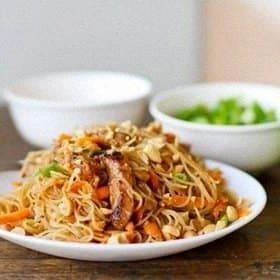
Plate the Hoisin Pork with Rice Noodles in wide bowls, garnish with extra scallions, sesame seeds, and, if you’re feeling daring, a handful of crushed peanuts. Serve immediately while the pork is still warm and the noodles retain their springy bite.
That's it — you did it. But hold on, I've got a few more tricks that'll take this to another level...
Insider Tricks for Flawless Results
The Temperature Rule Nobody Follows
Never let your pan drop below medium‑high once the pork hits it. If the temperature dips, the meat releases its juices and ends up steaming, losing that coveted crust. Keep a close eye on the heat gauge and have a splash of oil ready to boost the temperature back up instantly. A friend once tried to “save time” by lowering the heat; the pork turned rubbery and the sauce never thickened. Trust me, the extra attention now saves you a disaster later.
Why Your Nose Knows Best
Your sense of smell is a secret weapon. When the sauce starts to bubble, you’ll notice a sweet, caramelizing aroma—that’s the cue to stir less and let it reduce. If you smell a sharp vinegar note before the glaze thickens, you’ve turned the heat down too early. Adjust the flame until the scent shifts from sharp to warm and nutty, then you’re golden.
The 5‑Minute Rest That Changes Everything
After searing, let the pork rest for five minutes before adding the sauce. This short pause lets the muscle fibers relax, so the juices stay inside the meat instead of spilling out the moment you cut. I once skipped this step in a rush, and the pork turned dry—lesson learned. Use a plate, cover loosely with foil, and set a timer; the result is a juicy bite that feels like a melt‑in‑your‑mouth surprise.
Noodle Rescue Technique
If your noodles seem too sticky after draining, toss them with a splash of cold water and a drizzle of oil, then give them a quick shake in a colander. This prevents clumping and ensures each strand stays separate, ready to soak up the sauce evenly. It’s a tiny step that makes a massive visual and textural difference on the plate.
Heat‑Controlled Finish
When you add the final dash of sesame oil, do it off the heat. High heat can burn the oil, creating a bitter aftertaste that ruins the delicate balance. A quick off‑heat drizzle preserves the oil’s floral notes and adds that glossy finish you see in restaurant photos.
Creative Twists and Variations
This recipe is a playground. Here are some of my favorite ways to switch things up:
Spicy Szechuan Spin
Add a tablespoon of Szechuan peppercorn oil to the glaze and increase chili flakes to a teaspoon. The tongue‑tingling numbing sensation pairs beautifully with the sweet hoisin, creating a bold, adventurous bite that will impress heat‑seekers.
Veggie‑Boosted Version
Swap half the pork for sliced shiitake mushrooms and add julienned carrots and bell peppers during the stir‑fry. The mushrooms absorb the sauce like a sponge, offering a meaty texture for vegetarians while the veggies add crunch and color.
Coconut‑Infused Twist
Stir in a quarter cup of coconut milk right after the sauce thickens. The creamy richness mellows the acidity and gives the dish a tropical undertone that pairs well with fresh cilantro.
Thai Basil Fusion
Replace scallions with a generous handful of Thai basil leaves added at the end. The aromatic herb introduces a sweet, peppery note that lifts the whole dish, making it feel like a cross‑cultural masterpiece.
Crunchy Peanut Crunch
Top the finished bowl with a spoonful of crushed roasted peanuts and a drizzle of peanut butter mixed with a splash of soy. This adds a nutty depth and a satisfying crunch that turns the dish into a textural wonder.
Storing and Bringing It Back to Life
Fridge Storage
Allow the dish to cool to room temperature, then transfer to an airtight container. It will keep nicely for up to three days. When reheating, add a splash of water or broth and gently stir over medium heat; this restores the sauce’s silky sheen.
Freezer Friendly
Portion the pork and sauce (without the noodles) into freezer‑safe bags. Freeze for up to two months. Thaw overnight in the fridge, then reheat in a skillet with a bit of oil, adding fresh noodles at the end for the best texture.
Best Reheating Method
For microwave lovers, place a cup of water beside the bowl to create steam, then heat in 30‑second bursts, stirring in between. The steam prevents the noodles from drying out, and the sauce regains its glossy finish.