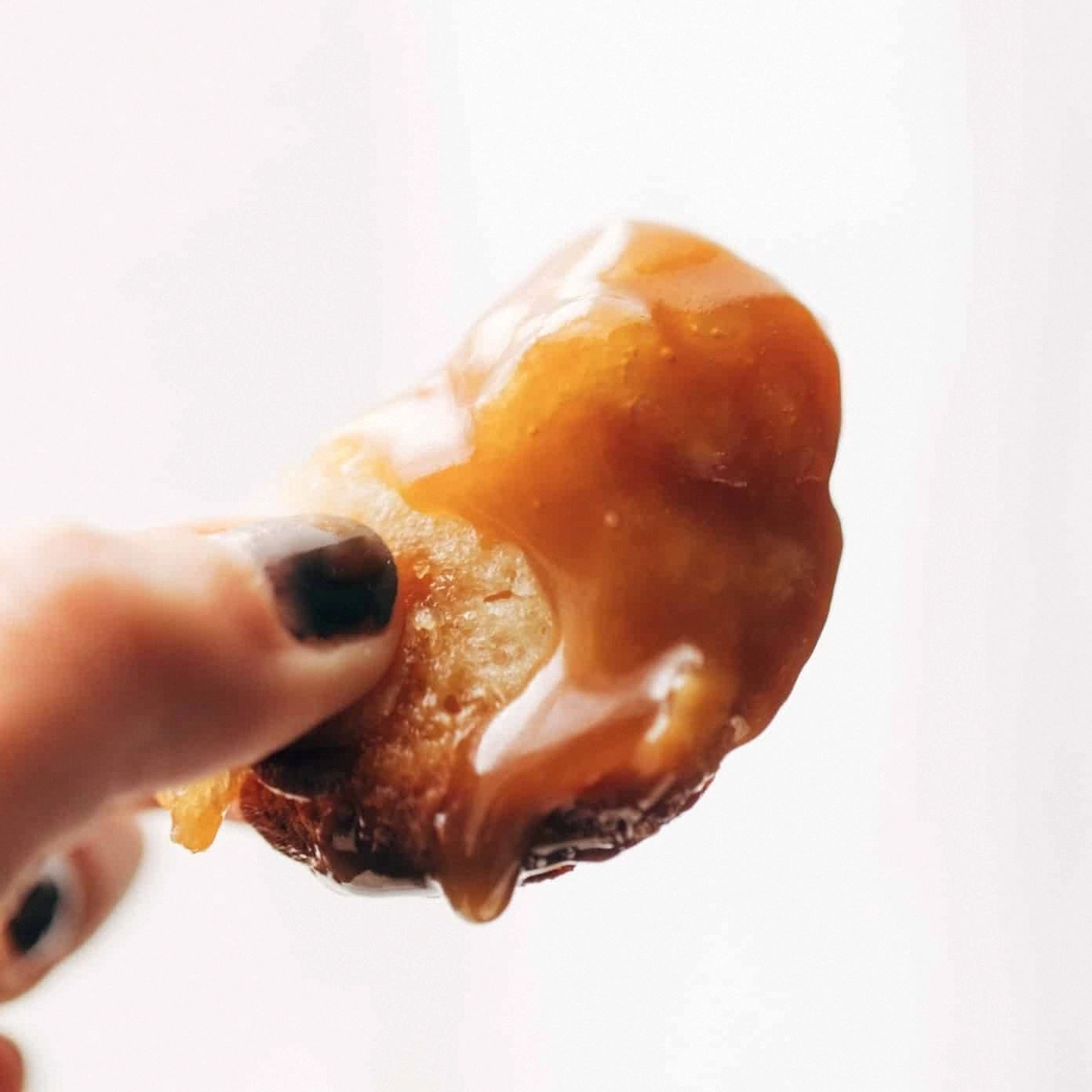
Picture this: I’m mid‑Monday, the office kitchen is humming, and a coworker just dared me to bring something “so indulgent it makes you forget it’s still Tuesday.” I laughed, grabbed the last of the caramel sauce from the pantry, and set out to create a monkey bread that would make even the most seasoned pastry chefs weep with envy. The first attempt was a disaster—gooey, sticky blobs that clung to the pan like reluctant dancers refusing to let go. But that failure sparked a fire under me, and after a weekend of trial, error, and a few too‑many taste tests (I’ll be honest — I ate half the batch before anyone else got to try it), I finally nailed the perfect balance of caramel, buttery dough, and that addictive pull‑apart texture.
The moment the batter hit the pan, the kitchen was filled with a scent that could have convinced a stoic accountant to abandon spreadsheets for a fork. The caramel bubbled up, caramelizing at the edges while the dough rose in a golden, puffed cloud that looked like a sweet sunrise. I could hear the faint crackle as the caramel set, a sound that promised a crunchy exterior and a melt‑in‑your‑mouth interior. My hands trembled with excitement as I pulled the bread from the oven, and the steam that rose was like a warm hug on a cold day, wrapping the whole kitchen in a buttery, sugary embrace.
Most monkey bread recipes get this completely wrong: they either drown the dough in a syrup that never sets, or they bake it dry, leaving you with a crumbly mess that crumbles before it even reaches the plate. This version, however, uses a caramel glaze that solidifies just enough to create that coveted “gooey but not soggy” middle, while the outer crust stays crisp enough to shatter like thin ice when you tear it apart. The secret? A precise balance of butter, sugar, and a splash of milk that keeps the dough tender, plus a quick caramel reduction that locks in flavor without turning into a sticky swamp.
And now the fun part. I’m about to walk you through every single step — from selecting the perfect butter to mastering that caramel swirl that will have your guests begging for the recipe. By the end, you’ll wonder how you ever made monkey bread any other way. Okay, ready for the game‑changer?
What Makes This Version Stand Out
- Irresistible Gooeyness: The caramel glaze seeps into every crevice, creating a melt‑in‑your‑mouth center that’s neither runny nor dry.
- Crisp Edges: A high‑heat blast at the end of baking gives the outer pieces a caramelized crunch that shatters like thin ice.
- Simple Prep: No fancy equipment required—just a mixing bowl, a skillet, and a trusty 9‑inch bundt pan.
- Ingredient Quality: Using real butter and a good quality caramel sauce elevates the flavor profile dramatically.
- Crowd‑Pleaser: One look at those golden, sticky rings and you’ve already won over any skeptical diner.
- Make‑Ahead Friendly: The dough can be refrigerated overnight, and the caramel glaze can be prepared in advance.
- Versatile Base: The recipe invites endless twists—from toasted nuts to a splash of bourbon in the caramel.
- Visual Wow Factor: When you pull it apart, each piece glistens with caramel, delivering that “wow” moment for photos and Instagram.
Inside the Ingredient List
The Flavor Base
All‑Purpose Flour (2 cups): This is the structural backbone, providing the gluten network that holds the bread together. If you skip it, you’ll end up with a batter that never sets. For a lighter crumb, you can substitute half with cake flour, but the classic pillowy texture comes from regular flour.
Granulated Sugar (½ cup): Adds sweetness and helps the dough brown. It also feeds the yeast‑like rise we achieve with baking powder. If you prefer a deeper caramel note, swap half the granulated sugar for dark brown sugar.
Brown Sugar, Packed (½ cup): Its molasses content deepens the caramel flavor and gives the crumb a moist, chewy quality. Skipping it for white sugar alone will make the interior too dry.
Baking Powder (1 tsp): The leavening agent that gives the bread its lift without the need for yeast. It reacts quickly, so you must get the batter into the oven promptly after mixing.
Salt (½ tsp): Enhances all the sweet flavors and balances the richness of butter and caramel. A pinch too much, and the sweetness gets lost; too little, and the dish feels flat.
The Texture Crew
Unsalted Butter, Melted (½ cup): Provides richness and a tender crumb. The butter should be fully melted but not browned, otherwise you’ll introduce a nutty flavor that competes with the caramel.
Milk (¼ cup): Adds moisture and helps the dough come together. Whole milk yields the most decadent texture; you can use almond milk for a dairy‑free version, though the crumb will be slightly less rich.
Egg (1 large): Binds everything together and adds a subtle richness. If you’re avoiding eggs, a flax‑egg (1 tbsp ground flax + 3 tbsp water) works in a pinch.
Vanilla Extract (1 tsp): Amplifies the caramel’s sweet notes and adds a fragrant backdrop. Real vanilla bean would be even better, but the extract does the job.
The Unexpected Star
Cinnamon (1 tsp): Warm, spicy undertones that cut through the sweetness, preventing the caramel from feeling cloying. A dash of nutmeg works as an alternative for a holiday twist.
Caramel Sauce (1 cup): The hero of this dish, providing that gooey, buttery sweetness. I recommend a thick, store‑bought caramel that you can whisk with a splash of butter for extra gloss. Homemade caramel works too, just be sure to cool it slightly before mixing.
The Final Flourish
Chopped Pecans (½ cup, optional): Add a nutty crunch that contrasts the soft interior. Toast them lightly before folding in to bring out their buttery flavor. If you’re allergic, try toasted sunflower seeds for a similar texture.
Extra Butter for Greasing (as needed): A thin layer of butter on the bundt pan ensures the bread releases cleanly, preserving those gorgeous caramel ribbons. Avoid non‑stick sprays; they can interfere with the caramel’s adherence.
Everything's prepped? Good. Let's get into the real action…

The Method — Step by Step
-
Preheat your oven to 350°F (175°C) and generously butter a 9‑inch bundt pan, making sure every crevice is coated. This step is crucial because a well‑greased pan guarantees the caramel glaze clings to the dough rather than sliding off when you flip the bread. That sizzle when the butter hits the hot pan? Absolute perfection. Let the pan sit while you prepare the dough.
-
In a large mixing bowl, whisk together flour, granulated sugar, brown sugar, baking powder, salt, and cinnamon. The dry mix should look like a golden sandstorm—no clumps, just an even distribution of spices. Okay, ready for the game‑changer? This even coating ensures the caramel will later embed uniformly.
Kitchen Hack: Sift the flour and baking powder together; it aerates the mixture and prevents pockets of leavening that could cause uneven rise. -
In a separate bowl, combine melted butter, milk, egg, and vanilla. Beat until smooth; the mixture should look glossy and slightly thickened. This wet blend is the glue that binds the dry ingredients, creating the tender crumb we crave.
-
Make a well in the center of the dry ingredients and pour the wet mixture in. Gently fold with a spatula until just combined—over‑mixing will develop gluten and make the bread tough. The batter should be sticky but manageable; if it feels too dry, add a splash of milk.
Watch Out: Over‑mixing at this stage can lead to a dense, rubbery texture. Stop mixing as soon as the flour disappears. -
Fold in the chopped pecans, if using, and then drizzle half of the caramel sauce over the batter. Using a spoon, swirl the caramel gently—don’t over‑stir; you want ribbons of caramel throughout the dough, not a uniform brown color.
-
Transfer the batter into the prepared bundt pan, spreading it evenly with a spatula. Drizzle the remaining caramel sauce on top, allowing it to pool in the deepest wells of the pan. This top layer will caramelize beautifully, creating that coveted crunchy crust.
-
Place the pan on the middle rack of the oven and bake for 25‑30 minutes. Around the 20‑minute mark, rotate the pan 180° to ensure even browning. The bread is done when a toothpick inserted near the edge comes out clean and the caramel on top has turned a deep amber.
Kitchen Hack: For an extra glossy finish, brush the hot caramel top with a teaspoon of melted butter during the last 5 minutes of baking. -
Allow the bread to rest in the pan for 10 minutes after removing it from the oven. This short rest lets the caramel set slightly, making the release easier. Then, invert the pan onto a serving platter—watch as the caramel ribbons cascade down, hugging each bite.
That moment when the caramel stretches and glistens? Pure magic. Serve warm, and watch everyone scramble for seconds. I dare you to taste this and not go back for more.
That's it — you did it. But hold on, I've got a few more tricks that'll take this to another level…
Insider Tricks for Flawless Results
The Temperature Rule Nobody Follows
Never bake monkey bread at a temperature lower than 350°F. Lower temps cause the caramel to stay liquid, resulting in a soggy bottom. Crank the oven up a notch if your kitchen is particularly humid; the extra heat will help the glaze set faster.
Why Your Nose Knows Best
Instead of watching the clock obsessively, trust your sense of smell. When the caramel starts to emit a buttery, toasted aroma, you’re within two minutes of perfection. If the scent becomes slightly burnt, pull the pan out immediately—over‑cooked caramel is bitter, not caramelized.
The 5‑Minute Rest That Changes Everything
After baking, let the bread sit for exactly five minutes before inverting. This short pause allows the caramel to firm just enough to cling to the dough without dragging off in a sticky mess. Skipping this step means a sloppy presentation and a loss of that glossy finish.
Butter‑Boosted Caramel
A tablespoon of extra butter whisked into the caramel sauce right before drizzling adds a glossy sheen and a buttery depth that turns good caramel into unforgettable. The butter also helps the glaze solidify faster once it hits the hot dough.
Freeze‑Then‑Bake for Even Rise
If you’re planning ahead, shape the dough, wrap it tightly, and freeze for up to 24 hours. When you’re ready, thaw in the refrigerator overnight, then bake as directed. The chilled dough expands more uniformly, giving you a higher, fluffier loaf.
Creative Twists and Variations
This recipe is a playground. Here are some of my favorite ways to switch things up:
Maple‑Pecan Delight
Swap half the caramel sauce for pure maple syrup and double the pecans. The maple adds a woody sweetness that pairs beautifully with toasted nuts, making it perfect for autumn brunches.
Chocolate‑Swirl Sensation
Stir a couple of tablespoons of melted dark chocolate into the batter before adding the caramel. The chocolate ribbons create a decadent contrast, and the bitter notes balance the sugary glaze.
Spiced Apple Infusion
Dice a small apple and toss it with cinnamon and a splash of lemon juice, then fold into the dough. As the bread bakes, the apple pieces soften, releasing tiny pockets of caramel‑apple goodness.
Salted Caramel Crunch
Finish the top with a sprinkle of flaky sea salt just after baking. The salt sharpens the caramel flavor and adds a delightful crunch that pops with each bite.
Nut‑Free Coconut Bliss
Replace pecans with toasted coconut flakes and add a dash of coconut extract to the batter. This variation gives a tropical twist while keeping the texture light and airy.
Storing and Bringing It Back to Life
Fridge Storage
Cool the bread completely, then wrap it tightly in plastic wrap or store in an airtight container. It will stay fresh for up to three days in the refrigerator. When you’re ready to serve, reheat a slice in a preheated 300°F oven for 5‑7 minutes.
Freezer Friendly
Wrap the whole loaf in a double layer of foil, then place it in a freezer‑safe zip bag. It freezes beautifully for up to two months. To revive, thaw overnight in the fridge, then bake at 325°F for 10‑12 minutes, adding a splash of water to the pan to create steam.
Best Reheating Method
For ultimate gooeyness, reheat in a skillet over low heat with a tablespoon of butter and a teaspoon of water. Cover the skillet for 2‑3 minutes; the steam will melt the caramel without drying it out.