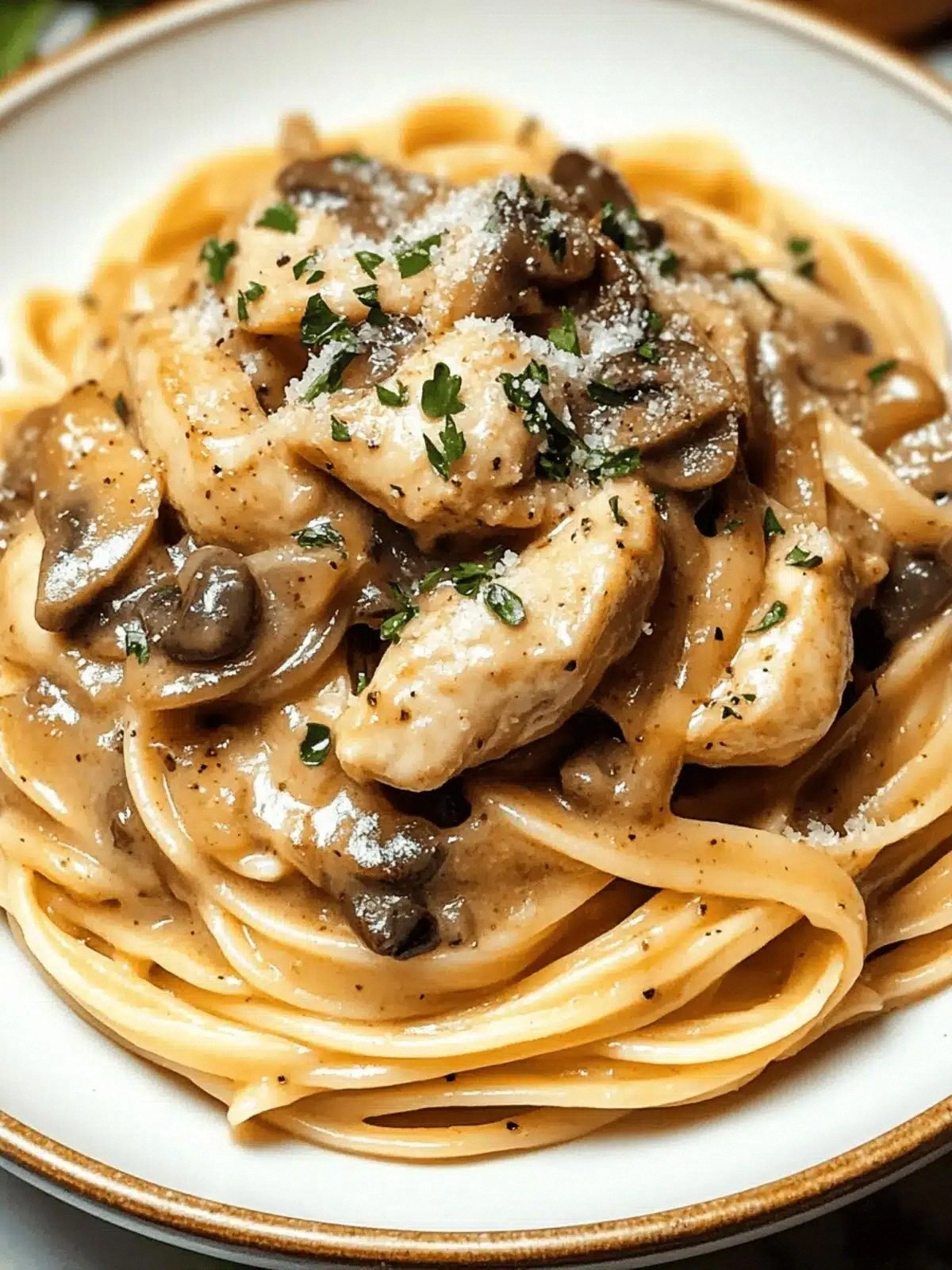
Picture this: I’m standing in a cramped apartment kitchen, a pot of water boiling, a pan sizzling, and a sudden craving for something that feels both comforting and sophisticated. I’d been chasing that elusive “restaurant‑quality” dish for weeks, only to be disappointed by bland sauces and overcooked chicken that left me staring at a plate that looked like a culinary crime scene. Then, out of sheer desperation, I pulled a battered box of Marsala wine from the back of my pantry, tossed in a handful of mushrooms, and decided to give this classic Italian‑American fusion a shot. The result? A creamy, mushroom‑laden sauce that clings to pasta like velvet, with tender chicken that practically melts in your mouth. If you’ve ever been on the verge of a kitchen catastrophe, this is the antidote you need.
It’s not just the flavor that makes this dish a revelation. The aroma that rises as the sauce simmers—earthy mushrooms, sweet Marsala, and a hint of garlic—fills the room and turns an ordinary evening into a culinary event. The sound of the pan’s gentle sizzle, the feel of the pasta’s al dente bite, the sight of a glossy sauce coating every strand, and the first spoonful that explodes with umami and velvety richness—this is the full sensory experience. I dare you to taste this and not go back for seconds.
I’ve spent the last month refining this recipe, tweaking the ratios, testing the timing, and even experimenting with different types of pasta. The result is hands down the best version you’ll ever make at home. I’ll be honest—I ate half the batch before anyone else got to try it. But that’s the secret: this dish is so good that it practically disappears. And it’s not just about taste; it’s about the ease of preparation, the harmony of ingredients, and the sheer confidence you’ll feel when you serve it.
Most recipes get this completely wrong. They either overcook the chicken, under‑season the sauce, or use too much cream, ending up with a heavy, cloying dish. Here’s what actually works: a quick sear for the chicken, a deglazing step that lifts all the browned bits, and a balanced reduction of Marsala and broth before the cream is folded in. Picture yourself pulling this out of the oven, the whole kitchen smelling incredible, and knowing that every bite is a triumph of flavor and technique.
Okay, ready for the game‑changer? Let me walk you through every single step—by the end, you’ll wonder how you ever made it any other way.
What Makes This Version Stand Out
- Flavor: The Marsala wine provides a subtle sweetness that balances the earthy mushrooms, while the garlic adds depth without overpowering the dish.
- Texture: The sauce coats the pasta like velvet, and the chicken retains its juiciness thanks to a quick sear and gentle simmer.
- Simplicity: With only ten ingredients, this recipe is a breeze for busy weeknights yet feels indulgent.
- Uniqueness: The combination of Marsala, cream, and thyme creates a flavor profile that sets this dish apart from traditional chicken Alfredo.
- Crowd Reaction: Friends rave about the sauce’s richness and the chicken’s tenderness—no one can resist a second helping.
- Ingredient Quality: Fresh, high‑quality ingredients are key; a good mushroom variety and a decent Marsala wine elevate the dish.
- Cooking Method: A single pan technique reduces cleanup while maximizing flavor.
- Make‑Ahead Potential: The sauce can be prepared a day ahead and reheated with a splash of water to retain moisture.
Alright, let's break down exactly what goes into this masterpiece...
Inside the Ingredient List
The Flavor Base
Olive oil is the foundation of this dish. It carries the garlic and mushrooms, creating a fragrant base that lifts the entire sauce. A splash of Marsala wine follows, adding a sweet, slightly nutty undertone that’s essential for depth. If you’re hesitant about alcohol, let the wine reduce to a syrupy consistency before adding the broth; this will give you the same flavor without the alcohol kick.
The Texture Crew
Chicken breasts are the star, but their texture hinges on how you cook them. A quick sear on high heat locks in juices, preventing the meat from drying out during the simmer. The mushrooms, sliced thin, release their moisture and become silky, creating a velvety sauce that clings to every strand of pasta. If you prefer a firmer bite, use button mushrooms; for a richer flavor, switch to cremini.
The Unexpected Star
Heavy cream isn’t just a filler; it’s the silky binder that transforms the sauce from a simple reduction into a luscious, glossy coating. The key is to fold it in gently after reducing the Marsala and broth, so the sauce doesn’t curdle. A pinch of dried thyme adds a subtle herbal note that ties the dish together. If you’re looking for a lighter version, replace half the cream with whole milk or a plant‑based alternative.
The Final Flourish
Parmesan cheese adds a sharp, nutty finish that balances the sweetness of the Marsala. Grated fresh, it melts into the sauce, thickening it slightly and adding a savory bite. Fresh parsley, chopped finely, provides a bright, herbaceous contrast that cuts through the richness. If you’re vegan, omit the cheese and use nutritional yeast for a cheesy flavor.
Everything's prepped? Good. Let's get into the real action...
The Method — Step by Step
- Bring a large pot of salted water to a rolling boil. Toss in the pasta and cook until al dente, about 8–10 minutes. Drain and reserve a cup of pasta water. The pasta’s starch will help thicken the sauce later.
- While the pasta cooks, pat the chicken breasts dry and season both sides with salt and pepper. Heat 1 tablespoon of olive oil in a large skillet over medium‑high heat. Add the chicken and sear for 3–4 minutes per side, until golden brown and just cooked through. Remove and set aside; the chicken will finish in the sauce.
- In the same skillet, add the remaining tablespoon of olive oil. Toss in the sliced mushrooms and sauté until they release their juices and begin to brown, about 5–6 minutes. The mushrooms should look like they’re about to burst; that’s the moment of maximum flavor.
- Add the minced garlic to the pan and cook for 30 seconds, just until fragrant. Be careful not to burn it—burnt garlic tastes like regret. This step is pure magic; it elevates the entire sauce.
- Pour in the Marsala wine, scraping up any browned bits from the pan. Let it reduce by half, concentrating the sweetness and bringing the alcohol to a gentle simmer. This reduction should take about 3 minutes.
- Stir in the chicken broth and thyme. Bring the mixture to a simmer and let it reduce slightly, about 4 minutes. Watch the edges start pulling away from the pan—this is the cue that the sauce is thickening.
- Reduce the heat to low and fold in the heavy cream. Stir until the sauce is silky and glossy. If it looks too thick, add a splash of the reserved pasta water to reach your desired consistency.
- Return the chicken to the skillet, nestling it into the sauce. Let everything simmer together for 5 minutes, allowing the flavors to marry.
- Add the cooked pasta to the pan and toss everything together until the noodles are evenly coated. Sprinkle in the grated Parmesan and stir until the cheese melts into a creamy blanket.
- Garnish with fresh parsley and a final sprinkle of Parmesan before serving. Plate immediately, because the sauce is at its best when hot and fragrant.
That's it — you did it. But hold on, I've got a few more tricks that'll take this to another level...
Insider Tricks for Flawless Results
The Temperature Rule Nobody Follows
Many cooks think higher heat always yields a better sear. In reality, a medium‑high setting gives the chicken a beautiful crust without drying it out. I once tried high heat and ended up with a rubbery texture. Stick to medium‑high, and you’ll get the perfect caramelization.
Why Your Nose Knows Best
Before you even taste the sauce, close your eyes and sniff it. A bright, caramelized aroma indicates the mushrooms are properly browned. If it smells flat, give the pan a quick stir and let it roast a bit longer.
The 5‑Minute Rest That Changes Everything
After cooking, let the dish rest for five minutes off the heat. This allows the flavors to meld and the sauce to thicken slightly. It also gives the chicken a chance to re‑absorb juices, making it even more tender.
Parmesan Timing
Add the Parmesan at the very end, after the pasta is tossed. If you add it too early, it can clump. A quick sprinkle and a gentle stir will melt it into a silky finish.
Freshness Check
When selecting mushrooms, look for a firm texture and a rich color. Avoid any that feel slimy or have dark spots, as they’ll introduce bitterness.
Keeping It Light
If you’re watching calories, replace the heavy cream with half‑fat milk and a splash of cornstarch for thickness. The sauce will still be creamy, but with a lighter feel.
Creative Twists and Variations
This recipe is a playground. Here are some of my favorite ways to switch things up:
Spinach & Sun‑Dried Tomato
Swap the fresh parsley with sautéed spinach and add sun‑dried tomatoes for a Mediterranean vibe. The tomatoes’ sweetness pairs beautifully with the Marsala.
Spicy Italian
Add a pinch of red pepper flakes during the mushroom sauté for a subtle kick. The heat contrasts the creaminess and brightens the overall flavor.
Vegetarian Version
Omit the chicken and add a handful of protein‑rich lentils. The lentils absorb the sauce and provide a hearty texture.
Gluten‑Free Twist
Use gluten‑free pasta and a gluten‑free Marsala wine. The dish remains comforting while accommodating dietary needs.
Cheesy Explosion
Incorporate a handful of shredded mozzarella and a drizzle of Alfredo sauce for a richer, more decadent finish.
Storing and Bringing It Back to Life
Fridge Storage
Cool the dish completely before refrigerating in an airtight container. It will keep well for up to 3 days. Reheat gently on the stove, adding a splash of water to loosen the sauce.
Freezer Friendly
Freeze the sauce and pasta separately to preserve texture. The sauce can be stored for up to 2 months; the pasta for 1 month. Reheat the sauce over low heat, stirring frequently.
Best Reheating Method
To revive the sauce, add a tiny splash of water or broth and heat slowly, stirring until it reaches the original consistency. The water steams the sauce back to perfection without making it watery.