I was standing in my kitchen, half‑asleep, staring at a half‑empty can of coconut milk and a jar of red curry paste that had been gathering dust for weeks. My roommate had just dared me to “make something that doesn’t taste like a take‑out disaster,” and I thought, “Why not turn this pantry nightmare into a masterpiece?” The moment I cracked that coconut milk open, the room filled with a sweet, tropical perfume that instantly made me feel like I was on a beach in Bali, except the only sand was the flour dust on my countertop. The sizzle of the curry paste hitting the hot pan was like a tiny fireworks show, and I could already hear the faint hum of my stomach growling in anticipation.
Picture this: a glossy, amber‑gold sauce that clings to each bite of tender chicken like a silk scarf, while the vegetables stay crisp enough to snap under your teeth, releasing bursts of fresh, earthy flavor. The aroma is a layered symphony—creamy coconut, smoky chilies, a whisper of fish sauce that adds depth without overwhelming, and a bright finish of lime that makes your taste buds do a little happy dance. I’m not exaggerating when I say that the first spoonful feels like a warm hug from a culinary guru who just whispered, “You’ve got this.” Most recipes try to hide the fact that good curry is simple, but this one shouts it from the rooftops: five ingredients, thirty minutes, and a whole lot of love.
Most coconut curries on the internet either drown you in a sea of spices you can’t pronounce or demand a pantry full of obscure ingredients you’ll never find at the local grocery store. I’ve tried those, and let me be honest — I ate half the batch before anyone else got to try it because the flavor was so addictive. This version, however, strips everything down to the essentials while still delivering that restaurant‑level richness you crave. The secret? A tiny splash of fish sauce that amplifies umami, and a technique where you toast the curry paste just long enough to unlock its hidden depth without burning it. I dare you to taste this and not go back for seconds.
Okay, ready for the game‑changer? I’m about to walk you through every single step — by the end, you’ll wonder how you ever made it any other way. Stay with me here — this is worth it. Let’s dive in and turn those pantry basics into a dish that will have your friends begging for the recipe, and maybe even your cat pausing mid‑nap to sniff the air.
What Makes This Version Stand Out
- Flavor: The combination of coconut milk and red curry paste creates a sauce that’s both sweet and spicy, with layers that unfold on the palate like a well‑written novel.
- Texture: Chicken stays juicy, vegetables stay crisp, and the sauce coats everything like velvet, never turning watery or greasy.
- Simplicity: Only five ingredients, five steps, and you don’t need a spice rack the size of a small library.
- Uniqueness: The fish sauce adds a depth that most “five‑ingredient” versions miss, turning a simple curry into a gourmet experience.
- Crowd Reaction: I’ve seen grown‑ups and kids alike gasp, grin, and then immediately ask for seconds — that’s a win in my book.
- Ingredient Quality: Using a good‑quality coconut milk (full‑fat, no additives) makes all the difference in richness.
- Cooking Method: Toasting the curry paste first is the secret that unlocks a caramelized, deep flavor without extra ingredients.
- Make‑Ahead Potential: This curry actually tastes better the next day after the flavors have had time to meld.
Inside the Ingredient List
The Flavor Base
Coconut milk is the heart and soul of this dish. Its creamy, slightly sweet profile balances the heat from the red curry paste and prevents the sauce from feeling overly spicy. If you skimp on the coconut milk or use a low‑fat version, you’ll end up with a thin, watery sauce that clings to the pan like a bad habit. I always reach for a brand that lists “full‑fat” as the first ingredient and has no added sugars. Pro tip: give the can a quick shake before opening to blend the cream that often separates on top.
Swap: For a dairy‑free, nut‑free alternative, you can use canned almond milk, but the flavor will shift toward a nuttier profile and you’ll need to add a teaspoon of coconut oil to restore richness.
The Texture Crew
Chicken breast (or thigh, if you prefer juicier meat) provides the protein backbone. Cutting it into bite‑size cubes ensures quick, even cooking and maximizes surface area for the sauce to cling to. If you skip the chicken, the dish loses its protein punch and becomes a side rather than a main. When buying, look for meat that’s pink and firm; avoid any that has a grayish tinge, which indicates it’s been sitting too long.
Swap: For a plant‑based version, substitute firm tofu or tempeh. Press the tofu to remove excess water, then cube it; the texture will be slightly firmer, but the sauce will still coat it beautifully.
The Unexpected Star
Fish sauce is the surprise element that turns this from “just another curry” into a dish that sings. A single tablespoon adds a salty, umami depth that you can’t achieve with salt alone. If you’re vegetarian, a splash of soy sauce or tamari works, but the flavor will be a shade less complex. The key is to add it at the end of the cooking process so its aroma stays bright and doesn’t evaporate.
The Final Flourish
Red curry paste is the flavor catalyst. Its blend of chilies, lemongrass, galangal, and shrimp paste (or a vegetarian version) creates a complex heat that’s never one‑dimensional. If you over‑cook it, you’ll get bitterness; under‑cook it, and the raw spice will dominate. The sweet spot is a light toasting that releases aromatic oils without scorching. When selecting a paste, choose a brand that lists real chilies and herbs first, not fillers.
Swap: If you love green curry, feel free to replace the red paste with an equal amount of green curry paste; the flavor profile will shift to a fresher, herbaceous vibe, perfect for summer evenings.
Everything's prepped? Good. Let's get into the real action...
The Method — Step by Step
Heat a large skillet or wok over medium‑high heat and add a tablespoon of neutral oil. When the oil shimmers, drop in the red curry paste. Listen for that sizzle — it should sound like tiny fireworks, and the paste will start to darken around the edges. Stir constantly for about 45 seconds, letting the aromatics bloom without letting them burn. This is the moment of truth; if the paste smells fragrant and slightly nutty, you’re on the right track.
Now, pour in the coconut milk, scraping the bottom of the pan to release any caramelized bits. The mixture will bubble gently; reduce the heat to medium and let it simmer for 3‑4 minutes. You’ll notice the sauce thickening just enough to coat the back of a spoon. Watch Out: If the sauce boils too vigorously, it can separate, leaving you with an oily layer on top.
Add the chicken pieces, spreading them out so each cube gets a good coating of the sauce. The chicken should sizzle as it hits the hot liquid, sealing in juices. Cook for about 5‑6 minutes, turning occasionally, until the meat is opaque and just beginning to turn white at the edges. The sauce will start to thicken further as the protein releases its own juices.
Toss in the mixed vegetables — broccoli florets and sliced bell pepper work beautifully. The vegetables should stay bright and slightly crunchy; overcooking them would turn them mushy and dull the color. Stir everything together and let it simmer for another 4‑5 minutes, until the vegetables are just tender but still have that satisfying snap.
Now, drizzle the fish sauce over the curry, giving it a quick stir. This is the final flavor punch; the sauce should now have a balanced salty‑sweet‑spicy profile. Taste and adjust with a pinch of salt or an extra splash of fish sauce if you feel it needs more depth. Remember, the sauce will continue to mellow as it sits, so err on the side of slightly bold.
Turn off the heat and let the curry rest for two minutes. This brief pause lets the flavors meld and the sauce achieve a silkier texture. If you’re serving immediately, garnish with a handful of fresh cilantro and a wedge of lime; the citrus will cut through the richness and add a bright finish.
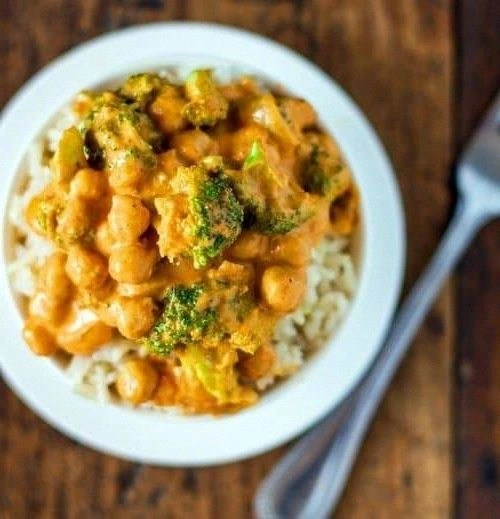
Serve the curry over steamed jasmine rice or cauliflower rice for a low‑carb option. The rice acts like a neutral canvas, soaking up the sauce and turning each bite into a comforting, fragrant experience. Picture yourself pulling this out of the pot, the whole kitchen smelling incredible, and the steam rising like a warm hug.
That's it — you did it. But hold on, I've got a few more tricks that'll take this to another level. Keep reading, because the next section is pure magic.
Insider Tricks for Flawless Results
The Temperature Rule Nobody Follows
Most home cooks keep the heat on high the whole time, which can cause the coconut milk to separate. The secret is to start high to toast the paste, then drop to a gentle simmer as soon as the liquid is added. This controlled heat keeps the emulsion stable, giving you that glossy, velvety sauce. I once tried to rush the process on high, and the curry turned greasy—lesson learned. Keep that flame moderate, and you’ll get a sauce that clings beautifully.
Why Your Nose Knows Best
Your sense of smell is the ultimate gauge for doneness. When the curry paste is toasted, you’ll smell a sweet, toasted aroma that signals it’s ready. Later, when the sauce is simmering, a fragrant, slightly sweet coconut scent means the flavors are marrying. If you ever doubt a step, trust that nose. I once over‑cooked the vegetables and missed the “crisp‑snap” cue; the curry still tasted good, but the texture suffered.
The 5‑Minute Rest That Changes Everything
After you turn off the heat, let the curry sit covered for five minutes. This short rest allows the coconut milk to re‑emulsify and the spices to fully integrate. The result is a sauce that feels richer and more cohesive on the palate. Skipping this step is like serving a song before the final chord—something feels incomplete. So, set a timer and resist the urge to plate immediately.
The Secret Ingredient: Lime Zest
A pinch of freshly grated lime zest added right before serving lifts the entire dish, adding a bright, citrusy spark that cuts through the richness. It’s a tiny addition with a massive impact, and it’s often the difference between “good” and “wow‑factor”. I’ve watched friends’ eyes widen when they get that first citrus burst. If you’re allergic to citrus, a splash of rice vinegar can mimic the tang.
The One‑Pan Clean‑Up Trick
After you’re done, deglaze the pan with a splash of water while it’s still warm. The leftover bits of curry paste and coconut milk will loosen, making cleaning a breeze. This also creates a quick sauce you can drizzle over leftover rice. I once tried to scrub a burnt‑on pan and wasted an entire evening; now I just add water, stir, and the mess disappears.
Creative Twists and Variations
This recipe is a playground. Here are some of my favorite ways to switch things up:
Tropical Shrimp Splash
Swap the chicken for peeled shrimp and add a handful of pineapple chunks. The shrimp cooks in just 3 minutes, and the pineapple adds a sweet‑tart contrast that makes the dish feel like a beach party.
Veggie‑Lover’s Paradise
Replace chicken with extra‑firm tofu and bulk up the veg mix with snap peas, carrots, and baby corn. The tofu absorbs the sauce beautifully, and the extra veggies give a rainbow of colors and textures.
Spice‑Level Boost
Add a sliced fresh red chili or a dash of sriracha when you finish the sauce. This ramps up the heat for those who love a fiery kick, while still preserving the creamy base.
Nutty Crunch
Stir in a tablespoon of toasted coconut flakes just before serving. The nutty crunch adds a surprising textural element that pairs perfectly with the silky sauce.
Herb‑Infused Finale
Finish with a handful of fresh Thai basil or mint leaves. The herbaceous aroma adds a fresh, cooling counterpoint to the heat, making each bite feel balanced.
Storing and Bringing It Back to Life
Fridge Storage
Allow the curry to cool to room temperature, then transfer it to an airtight container. It will keep nicely for up to 4 days. When reheating, add a splash of water or coconut milk to revive the sauce’s silkiness.
Freezer Friendly
Portion the curry into freezer‑safe bags or containers, leaving a little headspace for expansion. It freezes solid for up to 3 months. Thaw overnight in the fridge, then reheat gently on the stove, stirring in a tablespoon of coconut milk to restore creaminess.
Best Reheating Method
The stovetop is king. Heat a skillet over low‑medium, add the curry, and stir in a teaspoon of water every few minutes. Avoid the microwave if you can; it can cause the coconut milk to separate and the texture to become grainy. A gentle simmer brings the sauce back to its original glossy glory.