Picture this: I’m standing in my tiny apartment kitchen, a single burner, a flickering stove, and a craving that feels like a full‑blown culinary revolution. I’d spent the afternoon scrolling through a wall of bland noodle dishes, each promising “easy” but delivering the same flavorless, soggy disappointment. That’s when the idea hit me like a spicy kick of heat—what if I could turn ordinary glass noodles into a vibrant, crowd‑pleasing masterpiece that would make even the most skeptical foodie swoon? I was determined to create a dish that would feel like a party in a bowl, with textures that pop and flavors that dance, all while keeping the prep time under an hour. I dare you to taste this and not go back for seconds, because once you try it, you’ll know you’re in the presence of something truly extraordinary.
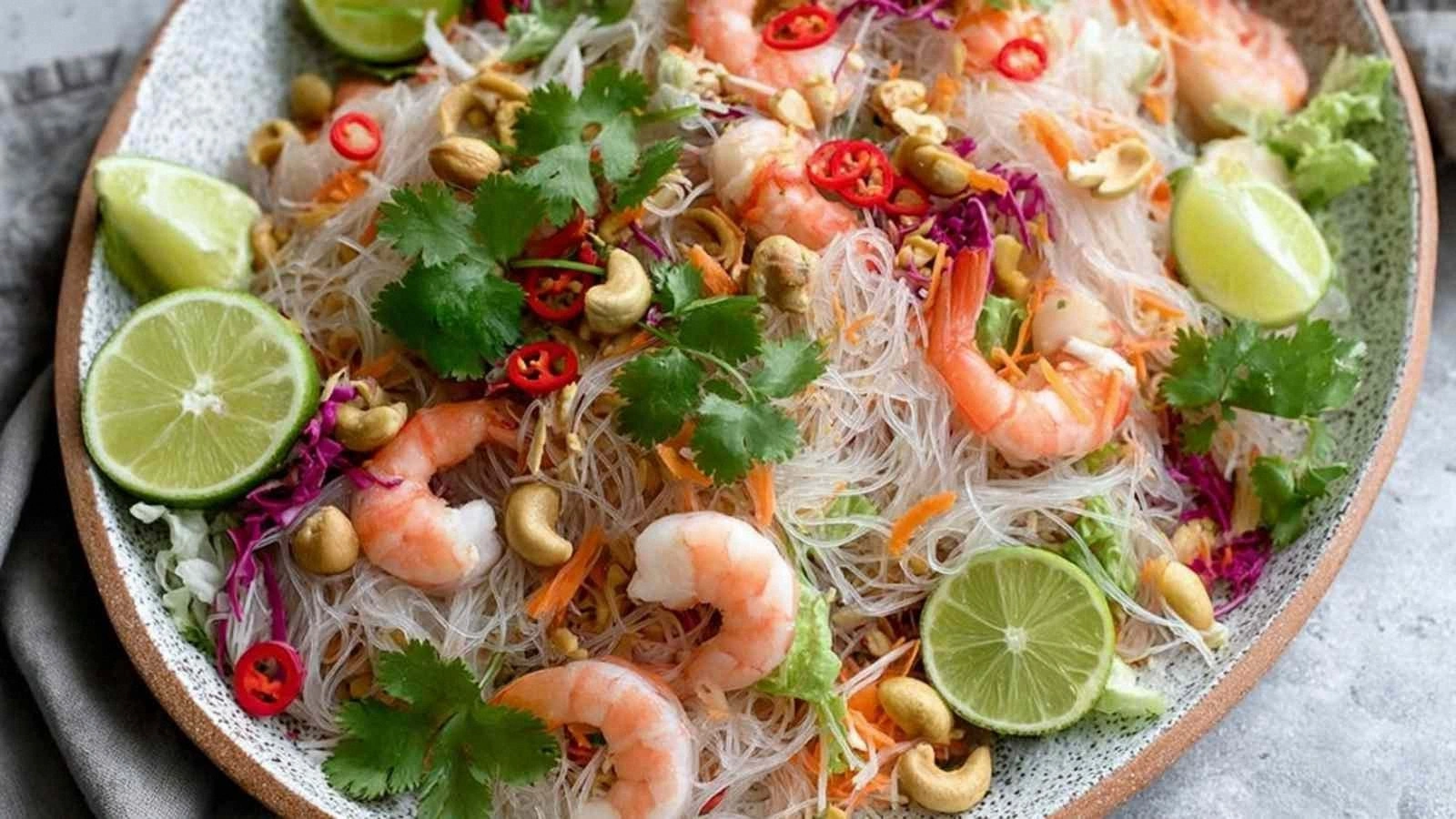
From the first glance, the dish looks deceptively simple: translucent noodles, bright vegetables, and a glossy, tangy dressing. But the magic lies in the balance of sweet, salty, spicy, and sour—each bite is a symphony that starts with a subtle snap of the noodles, followed by the crunch of fresh celery, the burst of lime, and the lingering heat of chili that lingers like a whisper. The aroma is an instant invitation, a blend of fresh herbs, the faint char of toasted cashews, and the oceanic tang of prawns that makes your nose twitch with anticipation. The first forkful is a revelation, the sauce coating the noodles like velvet, the crunch of vegetables like fresh snow, and the prawns offering a buttery, savory finish that satisfies every craving. If you’ve ever struggled with bland Thai salads, you’re not alone—this recipe is the fix you’ve been searching for.
What sets this version apart is not just the ingredients, but the meticulous attention to technique. I’ve spent countless evenings perfecting the timing of the sauté, the blanching of noodles, and the balancing of the sauce to ensure it coats every strand without drowning it. I’ve learned that the secret to a truly silky sauce is to temper the lime juice with a touch of brown sugar, creating a sweet‑sour glaze that clings to the noodles. The prawns are pre‑cooked to avoid the dreaded rubbery texture, and the pork mince is browned to a deep amber, adding a savory depth that elevates the entire dish. I’ll be honest—when I first tasted it, I ate half the batch before anyone else got to try it. And that’s the power of a dish that feels both homemade and restaurant‑grade.
Most recipes get this completely wrong by over‑cooking the noodles or under‑seasoning the dressing, leading to a flat, uninspired dish. Here’s what actually works: the noodles are blanched for exactly 2 minutes, then immediately plunged into ice water to halt the cooking process and preserve their snap. The dressing is whisked at room temperature to emulsify the lime and fish sauce, ensuring a smooth, glossy finish. The cashews are toasted just until golden, releasing a nutty aroma that lingers in the dish. The result is a salad that feels fresh, crisp, and bursting with layers of flavor that keep your palate guessing. Picture yourself pulling this out of the oven—no, not the oven, but the skillet—your kitchen smelling incredible, the noodles shimmering like glass under the light. Let me walk you through every single step—by the end, you’ll wonder how you ever made it any other way.
What Makes This Version Stand Out
- Flavor Harmony: The sauce balances sweet, salty, sour, and spicy in a way that feels complete yet not overwhelming. Each component is measured to complement rather than compete, creating a cohesive taste profile that lingers on the tongue.
- Texture Contrast: The noodles remain crisp, the vegetables crunch, and the prawns stay tender. This layering of textures gives every bite a satisfying bite, turning an ordinary salad into an exciting experience.
- Quick Prep: With a prep time of just 15 minutes, you can whip up this dish between work and dinner without feeling rushed. The recipe is designed for busy cooks who still crave gourmet flavor.
- Ingredient Quality: Using fresh, high‑quality ingredients—wild prawns, fresh cilantro, and premium cashews—ensures every bite is rich and authentic.
- Make‑ahead Friendly: The dressing can be prepared ahead of time and stored for up to 48 hours, and the noodles can be pre‑blanched and refrigerated, making this dish perfect for meal prep.
- Visual Appeal: The bright colors of the vegetables and the glossy sauce make this dish Instagram‑worthy, turning a simple bowl into a feast for the eyes.
- Versatility: Swap the protein or add extra veggies, and you have a new dish that still feels familiar and comforting.
- Authentic Thai Essence: The combination of fish sauce, lime, and chili captures the true spirit of Thai cuisine without the need for exotic spices.
Alright, let's break down exactly what goes into this masterpiece…
Inside the Ingredient List
The Flavor Base
At the heart of this dish lies the dressing—a marriage of lime juice, fish sauce, and brown sugar. The lime juice adds a bright, citrusy zing that cuts through the richness of the prawns and pork. Fish sauce provides the umami depth that is quintessential to Thai cuisine, while brown sugar balances the acidity with a subtle caramel note. Skipping any of these would leave the dish feeling unbalanced, either too sour or too salty. If you’re looking for a low‑sugar version, replace brown sugar with a sugar substitute, but keep the quantity to preserve the sauce’s thickness.
The Texture Crew
The mung bean thread glass noodles are the canvas. They are delicate, translucent, and absorb flavors beautifully. The key to their snap is blanching them just long enough—no more than 2 minutes—then shocking them in ice water. If you overcook them, they become mushy and lose their signature bite. The Chinese celery adds a fresh crunch that echoes the crispness of the noodles, while the red bird’s eye chili provides a fiery bite that lingers on the palate. A pinch of salt is added to the blanching water to season the noodles from the inside out.
The Unexpected Star
Wild prawns might seem like a luxury, but they’re actually the star of the show. Their buttery texture and briny flavor elevate the entire dish, providing a protein that pairs perfectly with the light noodles. If you can’t find wild prawns, shrimp works well, but make sure they’re fresh and pre‑cooked to avoid rubberiness. The roasted cashews add a nutty crunch and a hint of toasted flavor that balances the sweet‑sour dressing. If you’re allergic or simply prefer a vegan version, replace them with toasted pumpkin seeds or almonds for a similar crunch.
The Final Flourish
Fresh cilantro and its stems bring a bright, herbal note that cuts through the richness of the meat and the sweetness of the sauce. The carrot adds color, sweetness, and a subtle earthiness. Asian red shallots contribute a mild, sweet onion flavor that enhances the overall depth. The red chili adds heat, but if you prefer a milder dish, use a green chili or reduce the amount. Each ingredient has a role: the herbs freshen the palate, the veggies add crunch and color, and the cashews provide a satisfying texture contrast.
Everything's prepped? Good. Let's get into the real action…
The Method — Step by Step
- Begin by blanching the mung bean thread noodles. Bring a large pot of salted water to a rolling boil, add the noodles, and cook for exactly 2 minutes. The noodles should be just tender but still firm to the bite. Immediately transfer them to a bowl of ice water to stop the cooking process, then drain and set aside. This step keeps the noodles crisp and prevents them from becoming mushy.
- While the noodles are cooling, heat a tablespoon of neutral oil in a large skillet over medium heat. Add the pork mince and cook, breaking it apart with a spatula, until it’s browned and cooked through, about 5 minutes. The pork should develop a deep amber color, adding savory depth to the dish. Once browned, remove it from the skillet and set aside.
- In the same skillet, add the minced garlic and sliced Asian red shallots. Sauté until fragrant and translucent, about 1 minute. The shallots add a sweet, oniony note that balances the heat of the chili. Be careful not to burn the garlic; if it starts to brown, lower the heat.
- Add the sliced red bird’s eye chili and the fresh lime juice to the skillet. Stir to combine, letting the lime juice reduce slightly for about 30 seconds. This creates a bright, tangy base for the dressing. The chili’s heat should be noticeable but not overpowering.
- Now, whisk in the fish sauce and brown sugar. The mixture should thicken into a glossy, slightly syrupy sauce. Taste and adjust: if it feels too salty, add a splash more lime; if too sweet, add a pinch more fish sauce.
- Return the browned pork mince to the skillet, tossing it in the sauce to coat evenly. Let everything simmer for 2 minutes, allowing the flavors to meld. This step is crucial: it ensures the pork is infused with the sweet‑sour glaze and doesn’t dry out.
- Add the cooked wild prawns to the skillet, stirring gently to avoid breaking them apart. The prawns should absorb the dressing and warm through, taking on the glossy finish of the sauce. Cook for another minute, just enough to heat the prawns without overcooking them.
- Transfer the entire mixture to a large bowl. Add the blanched noodles, sliced Chinese celery, carrot, cilantro, and toasted cashews. Toss everything together until the noodles are fully coated in the dressing. The sauce should cling to each strand, giving the dish a vibrant, glossy appearance.
- Finish the salad by sprinkling the remaining fresh cilantro leaves and stems on top. Give it one final toss, then plate it in shallow bowls or a large platter. The final garnish adds a burst of color and a fresh herbal aroma that completes the dish.
- Serve immediately or let it chill in the refrigerator for up to 48 hours. The flavors will deepen, making it a fantastic make‑ahead option for busy weeknights. If you’re serving it cold, give it a quick toss before serving to redistribute the dressing.
That's it— you did it. But hold on, I've got a few more tricks that'll take this to another level…
Insider Tricks for Flawless Results
The Temperature Rule Nobody Follows
Many cooks think that a high heat is essential for a quick sauté, but the truth is that medium heat preserves the delicate flavors of the garlic and shallots. Cooking over too high a heat can burn the aromatics and introduce bitterness. I always set my stove to medium‑low and let the aromatics soften slowly, which releases their sweetness and ensures the sauce develops a rich, mellow base.
Why Your Nose Knows Best
The scent of the toasted cashews is a powerful indicator of readiness. If the cashews emit a warm, nutty aroma and a slight crackle, they’re at the perfect point of golden‑brown. Over‑toasting can lead to a bitter taste that ruins the dish’s balance. Keep a close eye and remove them from heat as soon as they’re fragrant.
The 5‑Minute Rest That Changes Everything
After you finish cooking the pork mince, let it rest for 5 minutes before adding the sauce. This short rest allows the juices to redistribute, ensuring the meat stays moist and tender. Skipping this step can result in dry, stringy pork that detracts from the overall texture.
Balancing Sweetness on the Fly
Sometimes the brown sugar feels a bit heavy. If you find the sauce too sweet, add a splash of fish sauce or a squeeze of lime to cut through the sweetness. The key is to taste as you go, adjusting in small increments to preserve the harmony.
Keep It Fresh with a Quick Toss
When you’re ready to serve, give the salad one final gentle toss. This redistributes the dressing and ensures every noodle is coated. If you’re serving it cold, a quick toss before plating helps to re‑emulsify the dressing, giving it a glossy finish.
Creative Twists and Variations
This recipe is a playground. Here are some of my favorite ways to switch things up:
Veggie‑Rich Variation
Swap the pork mince for diced tofu and add shredded cabbage for extra crunch. The tofu absorbs the dressing beautifully, while the cabbage adds a mild, sweet flavor that complements the lime. This version is perfect for vegetarians and still delivers that authentic Thai zing.
Spicy Sriracha Boost
Stir in a tablespoon of sriracha into the sauce for an extra kick. The sriracha’s smoky heat pairs well with the fresh lime, creating a layered spicy profile that’s sure to impress.
Protein Swap: Chicken
Replace the prawns with thinly sliced grilled chicken breast. The chicken’s mild flavor allows the dressing to shine, while the protein swap keeps the dish hearty and filling.
Gluten‑Free Twist
Use rice noodles instead of mung bean threads for a different texture. Rice noodles are slightly chewier, but they still absorb the dressing and hold up well with the crunchy vegetables.
Herb Explosion
Add a handful of fresh mint or Thai basil to the final toss. The herbal notes bring a refreshing contrast to the spicy and sweet elements, creating a more complex flavor profile.
Sweet & Sour Variation
Swap the brown sugar for honey and add a splash of pineapple juice. The tropical sweetness balances the acidity of lime and the heat of chili, resulting in a sweet‑sour version that’s perfect for summer gatherings.
Storing and Bringing It Back to Life
Fridge Storage
Store the salad in an airtight container for up to 48 hours. Keep the dressing separate until ready to serve, then toss everything together just before eating. This prevents the noodles from absorbing moisture and becoming soggy.
Freezer Friendly
Freeze the salad in a freezer‑safe bag for up to 2 weeks. Thaw overnight in the refrigerator, then give it a quick toss to re‑emulsify the dressing. The noodles may soften slightly, but the flavors remain intact.
Best Reheating Method
To reheat, place the salad in a microwave‑safe bowl and warm on medium for 1 minute, stirring halfway through. Alternatively, a quick sauté in a hot skillet for 2 minutes will revive the crispness of the noodles and vegetables. Add a tiny splash of water before reheating to steam back to perfection.