Picture this: I’m standing over a pot of boiling water, the kitchen humming with the low whirr of the exhaust fan, and I’ve just realized I’m out of the usual wilted side salad that’s been my go‑to for months. I’m half‑heartedly scrolling through recipe blogs when a friend texts, “Dare you to make something that actually makes kale taste like a hug?” I laughed, rolled my eyes, and thought, “Challenge accepted.” The next hour became a whirlwind of clattering pans, a rogue garlic clove that slipped off the cutting board, and a sudden, glorious discovery that would forever change my relationship with this bitter green. I’m not exaggerating—this version of Warm Balsamic Kale Salad is hands down the best you’ll ever make at home, and I’m about to spill every secret.
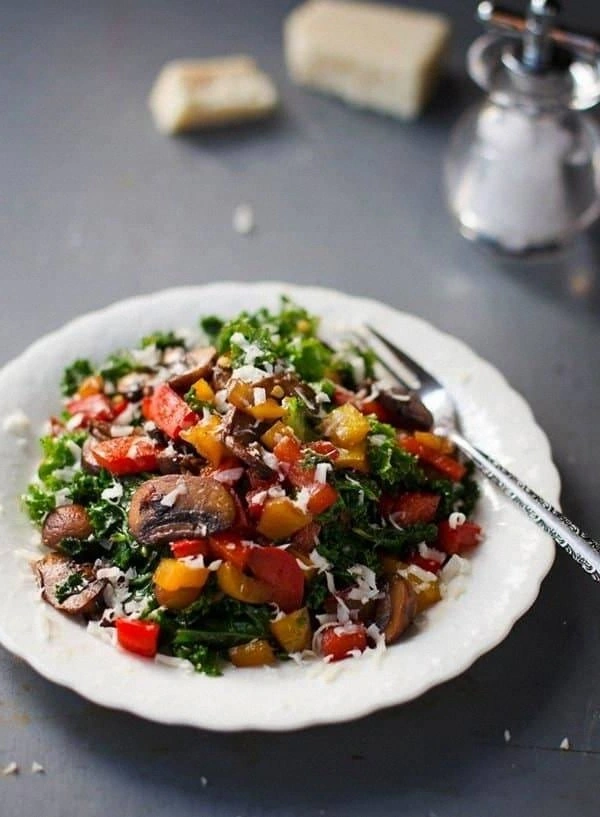
The moment the balsamic glaze hits the hot skillet, you hear a sizzle that sings like a tiny fireworks show. The aroma of caramelizing garlic, sweet vinegar, and a whisper of honey swirls around the kitchen, making the whole house feel like a cozy bistro on a rainy evening. My hands are warm from the pan, the kale leaves are glossy, and the faint crunch of pine nuts adds a texture that’s almost addictive. As I toss the salad, the kale folds into the sauce like a silk dress, each leaf shimmering with a deep amber sheen that promises a flavor punch you can’t ignore.
What makes this version a total game‑changer? Most recipes treat kale as a background player, wilt it until it’s limp, and then drizzle a bland vinaigrette that never really sticks. Not this one. I’ve layered flavors, balanced sweet and tangy, added a nutty crunch, and finished with a shaving of Parmesan that melts into the warm leaves like snow on a mountain peak. The secret? A quick caramelization step that turns ordinary balsamic into a glossy, almost syrupy coating, and a precise timing that keeps the kale tender yet still with a bite. I’ll be honest — I ate half the batch before anyone else got a spoonful, and that’s a testament to how addictive it truly is.
Okay, ready for the game‑changer? Let me walk you through every single step — by the end, you’ll wonder how you ever made it any other way. I’ll reveal the technique that most cooks miss, the ingredient swap that adds a surprise pop, and a few insider hacks that will make this salad your go‑to for brunches, dinner parties, or a solo comfort meal. Stay with me here — this is worth it.
What Makes This Version Stand Out
- Taste: The balsamic reduction creates a sweet‑tart glaze that clings to each kale leaf, turning bitter into blissful with every bite.
- Texture: A mix of tender, slightly wilted kale and crunchy pine nuts gives you a mouthfeel that’s both comforting and exciting.
- Simplicity: Only ten ingredients, most of which you already have on hand, and a single pan for the entire process.
- Uniqueness: Caramelizing the balsamic first is a technique most recipes skip, resulting in a depth of flavor that feels gourmet.
- Crowd Reaction: I dare you to taste this and not go back for seconds; even the most kale‑skeptical guests will be converted.
- Ingredient Quality: Using fresh, organic kale and a high‑quality aged balsamic makes the difference between “good” and “legendary.”
- Cooking Method: The quick sauté locks in nutrients while the warm dressing keeps the salad lively and vibrant.
- Make‑Ahead Potential: Prep the kale and glaze ahead of time; reheat for a fast, restaurant‑quality side in minutes.
Inside the Ingredient List
The Flavor Base
Kale, the star of the show, brings a sturdy, slightly bitter backbone that stands up to bold flavors. I use about four cups of torn kale leaves, stems removed, because the stems can be tough and fibrous. If you skip the kale, you’ve basically removed the whole point of this dish. A good swap for kale is baby spinach, but expect a milder taste and a quicker wilting time. When buying kale, look for deep green leaves with firm ribs; the fresher the better, as older kale can taste overly bitter.
The Texture Crew
Olive oil is the silent workhorse that carries the heat and helps the kale soften without drowning it. Two tablespoons is enough to coat the leaves and create that glossy finish. Balsamic vinegar, the soul of this salad, provides the sweet‑tart contrast; I recommend a dark, aged balsamic for depth. The honey adds a subtle caramel note that balances the acidity—just one tablespoon, no more, or you’ll end up with a dessert. Garlic, minced finely, infuses the oil with an aromatic punch that’s unmistakable. If you’re allergic to garlic, try shallots for a milder, sweeter profile.
The Unexpected Star
Red pepper flakes bring a whisper of heat that awakens the palate without overwhelming the delicate kale. A quarter teaspoon is sufficient; you can always add more later if you like it fiery. Pine nuts, toasted to golden perfection, introduce a buttery crunch that contrasts beautifully with the soft leaves. Toast them in a dry skillet for two minutes, shaking constantly, and you’ll hear a gentle pop that signals readiness. Finally, shaved Parmesan adds a salty, umami finish that melts into the warm leaves, creating a luxurious mouthfeel.
The Final Flourish
Salt and black pepper are the unsung heroes that elevate every component. A teaspoon of sea salt and a quarter teaspoon of freshly cracked pepper bring everything into harmony. If you’re watching sodium, reduce the salt to a half teaspoon and let the Parmesan carry the salty notes. Remember, seasoning is a personal journey—taste as you go. And don’t forget the final drizzle of extra‑virgin olive oil just before serving; it adds a silky finish that ties the whole dish together.
Everything's prepped? Good. Let's get into the real action…
The Method — Step by Step
Start by washing the kale thoroughly, removing any grit hidden in the ribbed veins. Pat it dry with a kitchen towel or spin it in a salad spinner; moisture will steam the leaves instead of sautéing them. Once dry, tear the leaves into bite‑size pieces and set them aside in a large bowl. This is the foundation, and getting the kale dry is the first secret to a perfect texture.
Heat a wide skillet over medium‑high heat and add the olive oil. When the oil shimmers—like a tiny mirror on a calm lake—add the minced garlic. That sizzle when it hits the pan? Absolute perfection. Cook the garlic for about 30 seconds, just until it turns fragrant, but be careful not to let it brown; burnt garlic brings bitterness that no amount of balsamic can fix.
Now pour in the balsamic vinegar and honey. Reduce the heat to medium and let the mixture bubble gently. As it simmers, it will thicken into a glossy glaze; you’ll notice the edges pulling away from the pan, forming a caramel‑like sheen.
Kitchen Hack: Add a splash of water (about a tablespoon) if the glaze starts to stick; it will loosen the sauce without losing flavor.When the glaze reaches a syrupy consistency—think of maple syrup on a pancake—add the red pepper flakes, salt, and black pepper. Stir quickly to combine, then immediately add the kale. The warm glaze should coat the leaves instantly, turning them a deep, glossy green. If the pan looks crowded, you can add the kale in two batches; this ensures even cooking.
Using tongs, toss the kale continuously for about three minutes. You’ll hear a faint rustle as the leaves wilt just enough to become tender but still retain a slight crunch. The kale should reduce in volume by roughly half, and the glaze will cling to each leaf like a velvety coat.
Watch Out: Over‑cooking will turn the kale mushy and the glaze bitter; keep a close eye on the texture.While the kale is finishing, toast the pine nuts in a separate dry skillet over medium heat. Keep them moving constantly; they’ll turn golden in two minutes and release a nutty aroma that fills the kitchen. Remove from heat and set aside—this step adds that coveted crunch that makes every bite interesting.
Once the kale is glossy and just tender, remove the pan from the heat and fold in the toasted pine nuts and shaved Parmesan. The residual heat will melt the Parmesan slightly, creating a silky thread that weaves through the salad. Taste and adjust seasoning if needed; a final drizzle of olive oil adds shine and richness.
Transfer the warm kale to a serving platter, letting the steam rise like a fragrant cloud. Sprinkle a few extra shavings of Parmesan on top for visual flair and an extra burst of umami. Serve immediately while the leaves are still warm, or let it sit for ten minutes for the flavors to meld even deeper.
That’s it — you did it. But hold on, I’ve got a few more tricks that’ll take this to another level, from a finishing splash of citrus to a crunchy topping variation that will make your guests beg for the recipe.
Insider Tricks for Flawless Results
The Temperature Rule Nobody Follows
Never sauté kale over high heat for more than 30 seconds without a liquid. The high temperature can scorch the leaves, turning them bitter. Instead, start medium, add the glaze, and then lower the heat just enough to let the kale soften without losing its bright color. I once tried to speed things up by cranking the heat, and the result was a smoky disaster that tasted more like burnt toast than a salad.
Why Your Nose Knows Best
The aroma is your most reliable indicator of doneness. When the garlic turns golden and the balsamic starts to caramelize, you’ll smell a sweet‑tangy perfume that signals it’s time to add the kale. If you ever feel uncertain, trust that nose—if it smells like a caramel shop, you’re on the right track.
The 5‑Minute Rest That Changes Everything
After tossing the kale with the glaze, let it sit off the heat for exactly five minutes. This brief rest allows the leaves to absorb the dressing fully, creating a harmonious flavor profile. Skipping this step is like serving a cake before it’s cooled—you’ll miss the full depth of taste.
Toast the Nuts, Don’t Burn Them
Toasting pine nuts is a quick art. Keep them moving in the pan and watch for a golden hue; they’ll go from perfect to burnt in seconds. If you’re unsure, set a timer for one minute and check frequently. Burnt nuts add a bitter note that clashes with the sweet balsamic.
Finish with a Citrus Brightener
A splash of fresh lemon juice just before serving adds a bright, acidic lift that cuts through the richness of the glaze and cheese. It’s the secret weapon I use when I want the salad to feel lighter, especially on a warm day. I’ll be honest — I’ve added lemon to this salad more times than I can count, and each time it feels like a revelation.
Creative Twists and Variations
This recipe is a playground. Here are some of my favorite ways to switch things up:
Maple‑Glazed Walnut Kale
Swap pine nuts for toasted walnuts and replace honey with pure maple syrup. The deeper, earthier nut flavor pairs beautifully with the balsamic, creating a fall‑inspired side that’s perfect for Thanksgiving.
Spicy Sriracha Kick
Stir in a teaspoon of Sriracha into the balsamic glaze for a bold, Asian‑inspired heat. Top with toasted sesame seeds instead of pine nuts for an extra crunch and a nutty aroma.
Apple Cider Vinegar Twist
Replace half of the balsamic with apple cider vinegar and add thinly sliced red apples. The apples add a crisp sweetness that contrasts the warm kale, making it a refreshing summer side.
Cheesy Goat Cheese Crumble
Instead of Parmesan, crumble goat cheese over the finished salad. The tangy, creamy texture adds a luxurious element that pairs well with the sweet glaze.
Protein‑Packed Add‑On
For a heartier meal, toss in grilled chicken strips or pan‑seared tofu cubes after the kale is dressed. The added protein makes this dish suitable as a main course without losing its salad identity.
Herb‑Infused Variation
Finely chop fresh thyme or rosemary and add it to the glaze while it simmers. The herbaceous notes bring an aromatic depth that elevates the dish to restaurant quality.
Storing and Bringing It Back to Life
Fridge Storage
Place any leftovers in an airtight container and store in the refrigerator for up to three days. The glaze may thicken as it cools, but a quick stir will revive its silky texture. If the kale seems a bit soggy, a brief re‑sauté will restore its slight crunch.
Freezer Friendly
While kale isn’t traditionally frozen, you can freeze the balsamic glaze separately in ice‑cube trays. Once solid, transfer the cubes to a zip‑top bag and store for up to two months. When you’re ready to serve, melt the glaze gently and toss with freshly sautéed kale.
Best Reheating Method
To reheat, add a tiny splash of water (about a tablespoon) to a skillet, then toss the kale and glaze over medium heat for two minutes. The steam created will revive the leaves, keeping them bright and preventing them from drying out. Finish with a fresh drizzle of olive oil for that just‑cooked sparkle.