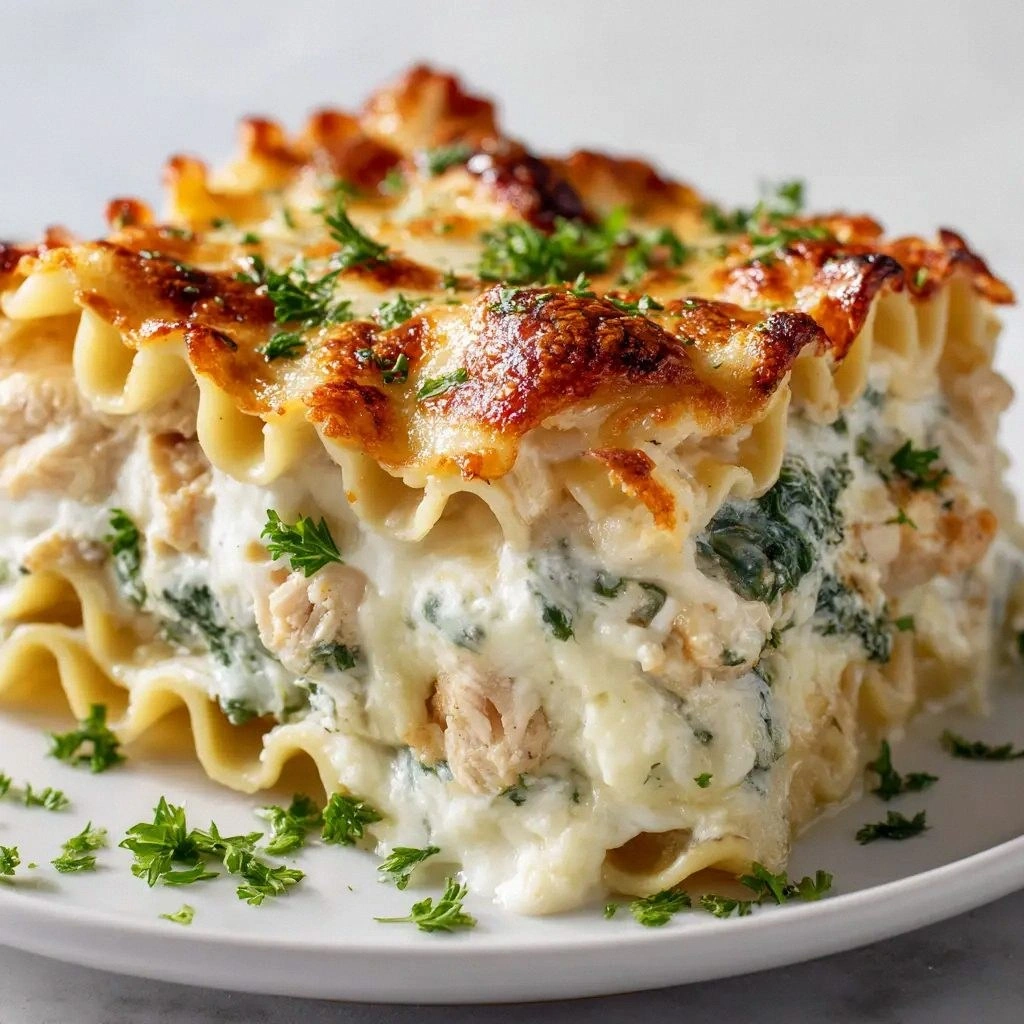
I’ve spent countless mornings staring at a bowl of batter that never seems to rise, only to discover that the secret ingredient is the sourdough discard itself. This isn’t just another pancake recipe; it’s a celebration of what happens when you turn kitchen waste into culinary gold. The moment the batter hits the skillet, you’ll hear a gentle sizzle that signals the batter’s transformation. The heat will turn the liquid into steam, creating pockets of air that make each pancake fluffy and light. The result? A breakfast that feels indulgent yet wholesome, a dish that will become a staple in your routine.
If you’ve ever struggled with pancakes that are too dense or too dry, you’re not alone — and I’ve got the fix. The trick is to keep the batter slightly thinner than a standard pancake batter and to let the sourdough’s natural enzymes do the heavy lifting. When you pour the batter, watch for the bubbles that form on the surface; that’s your cue that the pancakes are ready to flip. Flip them when the edges start pulling away and the underside is golden brown. The second flip should be quick; overcooking will make them tough and rubbery. Serve them immediately with your favorite toppings for maximum enjoyment.
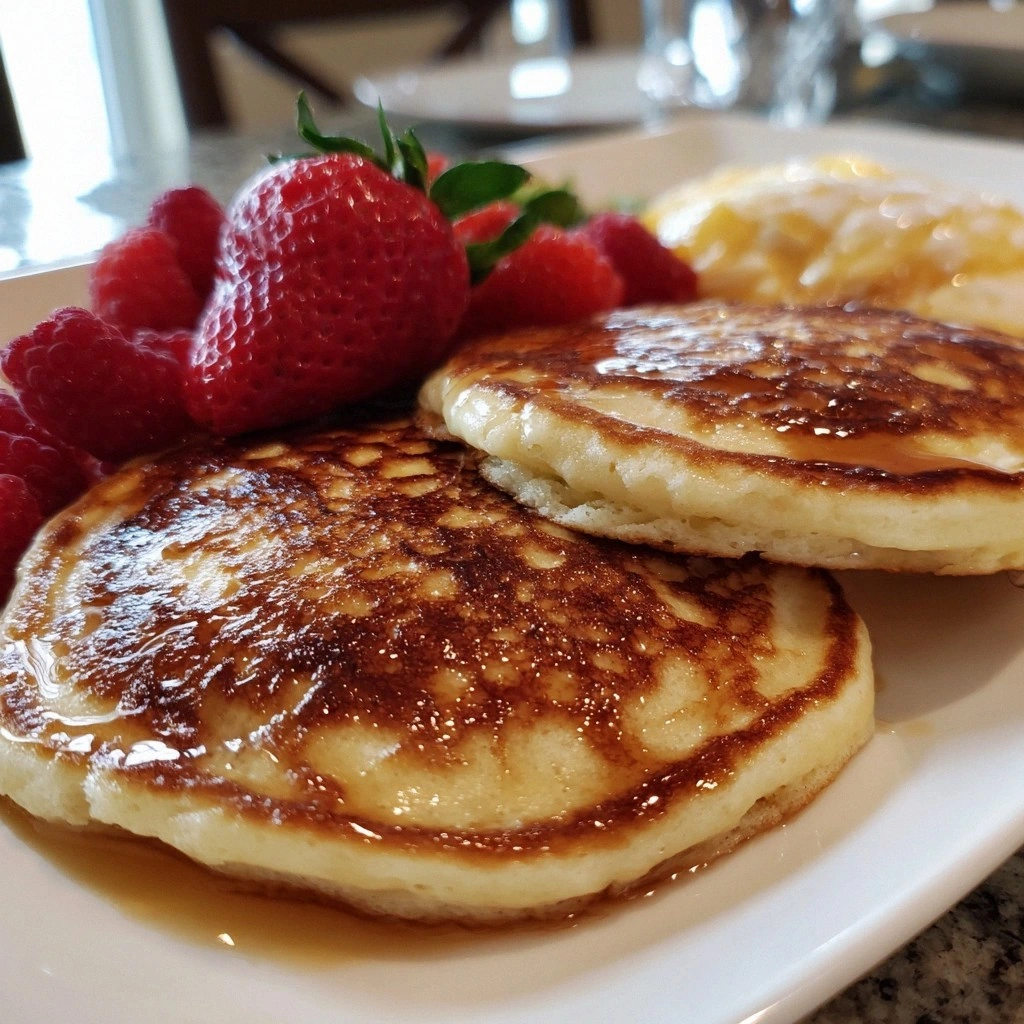
Picture yourself pulling this out of the pan, the whole kitchen smelling incredible, and the family or friends gathering around to taste the first bite. The anticipation builds, the steam rises, and the pancakes look like a cloud of golden clouds. The sound of the first bite is satisfying, a mix of crunch and fluff. The flavor is a gentle tang that lingers, followed by a sweet finish. You’ll feel a sense of accomplishment that’s as satisfying as the pancakes themselves. And now, let’s dive into the details that make this recipe so special.
What Makes This Version Stand Out
- Tang: The sourdough discard provides a subtle, fermented tang that sets these pancakes apart from the usual bland fluff. It’s a flavor profile that feels both rustic and sophisticated.
- Fluff: Because the discard contains natural leavening agents, the pancakes rise beautifully without the need for excessive baking powder, resulting in a light, airy interior.
- Texture: The batter’s slightly thinner consistency creates a crisp exterior while keeping the inside moist and tender, a texture contrast that is a delight.
- Eco‑friendly: Turning leftover starter into pancakes is a zero‑waste solution that reduces food waste and adds value to what would otherwise go to the trash.
- Time‑saving: The batter can be prepared in under 15 minutes, and the cooking time is only 30 minutes, making it a perfect quick breakfast or brunch.
- Versatility: You can add blueberries, chocolate chips, or a dash of cinnamon, turning the pancakes into a customized treat for any craving.
- Flavor depth: The combination of vanilla, butter, and a hint of sugar creates a complex flavor that satisfies sweet and savory palettes alike.
- Make‑ahead potential: The batter can be refrigerated for up to 24 hours, allowing you to prep in advance and simply cook when you’re ready.
Alright, let's break down exactly what goes into this masterpiece...
Inside the Ingredient List
The Flavor Base
Sourdough discard is the star of this recipe, bringing a natural tang and a subtle complexity that you won’t find in plain flour. Its acidity helps activate the leavening agents, giving the pancakes their signature lift. If you skip the discard, the pancakes will lose that unique depth and feel more like a standard breakfast. For best results, use discard that has been fed recently for maximum activity.
All‑purpose flour provides the structure needed to hold the pancakes together. It’s a neutral canvas that allows the discard’s flavor to shine. If you’re looking to experiment, try substituting half the flour with whole wheat for a nuttier taste. The key is to keep the ratio balanced so the batter doesn’t become too dense.
The Texture Crew
Milk is the liquid that hydrates the dry ingredients and creates a batter that’s pourable yet thick enough to cling to the pan. A splash of water can replace milk if you’re lactose intolerant, but the flavor will be slightly different. If you prefer a richer batter, use whole milk or even a blend of milk and yogurt.
Eggs act as a binder, giving the pancakes a cohesive structure and a subtle richness. They also help with browning, creating a golden crust. If you’re vegan, substitute with a flaxseed egg or a commercial egg replacer to maintain the same consistency.
The Unexpected Star
Baking powder and baking soda work together to provide lift and a light crumb. The baking soda reacts with the discard’s acidity, creating carbon dioxide that puffs the pancakes up. Baking powder adds an extra boost of lift, especially useful if your discard isn’t as active. Skipping either will result in flatter pancakes that don’t rise as well.
Salt is essential for balancing the flavors and enhancing the sweetness. Without it, the pancakes would taste flat and uninteresting. A pinch of salt is enough; over-salting can overpower the delicate tang of the discard.
The Final Flourish
Sugar adds a touch of sweetness that balances the tang and enhances browning. The vanilla extract provides a subtle aromatic note that makes the pancakes feel comforting and homey. Melted butter adds richness and a silky mouthfeel, contributing to the golden crust. If you’re looking for a healthier version, reduce the butter to 1 tablespoon or use a butter alternative.
Optional blueberries or chocolate chips can be folded into the batter for a burst of flavor and texture. Blueberries add a sweet, slightly tart burst that pairs wonderfully with the tang of the discard, while chocolate chips introduce a classic sweet indulgence. These additions transform the pancakes into a customizable treat.
Everything's prepped? Good. Let's get into the real action...
The Method — Step by Step
- In a large bowl, combine the sourdough discard, all‑purpose flour, baking powder, baking soda, salt, and sugar. Whisk them together until just blended; the batter will be lumpy. This is the moment of truth: if you overmix, the pancakes will be tough. Keep it gentle and let the dry ingredients mingle with the discard.
- In a separate bowl, whisk the milk, egg, vanilla, and melted butter until fully incorporated. Pour this wet mixture into the dry mixture and stir until just combined. The batter should still be slightly thick; you can adjust with a splash of milk if it feels too thick. The key is to keep the batter pourable but not runny.
- Fold in any optional mix‑ins, such as blueberries or chocolate chips, with a gentle motion. This ensures even distribution without breaking the fruit or clumping the chips. If you’re using blueberries, be careful not to overmix, or they’ll burst and release juice into the batter.
- Let the batter rest for 5 minutes at room temperature. This short rest allows the leavening agents to activate fully, resulting in a lighter crumb. It also lets the flour hydrate, making the pancakes easier to flip.
- Heat a non‑stick skillet or griddle over medium heat and lightly brush with melted butter or oil. When a few drops of water flicker and evaporate instantly, the pan is ready. This is the moment of magic: the heat will cause the batter to bubble and rise.
- Pour about 1/4 cup of batter per pancake onto the skillet. Watch for small bubbles forming on the surface; when they start to pop, it’s time to flip. The edges will lift slightly and the underside will turn golden brown. This should take about 2–3 minutes per side.
- Flip the pancakes gently with a spatula. The second side should cook for 1–2 minutes until golden and cooked through. The batter will be airy and the edges crisp. Keep the heat moderate to avoid burning.
- Remove the pancakes from the skillet and stack them on a plate. Cover loosely with foil to keep them warm. If you’re cooking a large batch, repeat the process, adding a little more butter to the skillet as needed.
- Serve the pancakes immediately with your choice of toppings: maple syrup, fresh berries, a dusting of powdered sugar, or a dollop of whipped cream. The pancakes are best enjoyed hot, when the butter melts and the batter is still tender. If you prefer a sweeter version, drizzle honey or a flavored syrup on top.
That's it — you did it. But hold on, I've got a few more tricks that'll take this to another level...
Insider Tricks for Flawless Results
The Temperature Rule Nobody Follows
Many cooks set the skillet to high heat, but the secret to perfect pancakes is medium‑low heat. This allows the batter to cook evenly, preventing a burnt exterior and a raw center. I’ve seen pancakes that look golden but are still raw inside; that’s the result of too high heat. Keep the skillet at a steady medium and let the batter do its work.
Why Your Nose Knows Best
Your nose is your best judge of doneness. When the batter starts to bubble and the edges lift, that’s the cue to flip. The aroma of butter and baking powder rising is a sign that the pancakes are ready to go golden. Trust your senses; overcooking will ruin the texture.
The 5-Minute Rest That Changes Everything
Letting the batter rest for 5 minutes before cooking allows the flour to absorb the liquid fully, creating a smoother batter. It also gives the leavening agents a chance to activate, resulting in a fluffier crumb. Skip this step and you’ll end up with a denser pancake that’s hard to chew.
The Butter Trick
Use melted butter in the batter for a richer flavor and a glossy finish. I’ve found that a tablespoon of butter in the batter adds a subtle caramelized note that enhances the sourdough's tang. If you’re watching calories, replace half the butter with olive oil for a lighter version.
The Folding Technique
When folding in blueberries or chocolate chips, use a gentle motion. Overmixing can break the fruit, releasing juice that makes the batter runny. A light fold preserves the integrity of the mix‑ins and keeps the pancakes fluffy.
The Stack Method
Stack pancakes on a warm plate and cover loosely with foil to keep them warm. This technique is especially useful when you’re serving a crowd. The heat from the stack helps maintain moisture, preventing the pancakes from drying out.
Creative Twists and Variations
This recipe is a playground. Here are some of my favorite ways to switch things up:
Blueberry Burst
Fold in a cup of fresh or frozen blueberries for a burst of sweet, tart flavor. The blueberries release a subtle juice that adds moisture to the pancakes, making them even more tender.
Chocolate Chip Delight
Add a half cup of dark chocolate chips for a classic breakfast treat. The chips melt slightly during cooking, creating pockets of gooey chocolate that contrast with the airy batter.
Cinnamon Swirl
Stir in a teaspoon of ground cinnamon for a warm, spicy note. The cinnamon pairs beautifully with the sourdough's tang, creating a comforting flavor profile.
Nutty Crunch
Toss in a quarter cup of chopped walnuts or pecans for added texture and a nutty flavor. The nuts add a satisfying crunch and a dose of healthy fats.
Savory Spin
Replace the sugar with a pinch of smoked paprika and add a handful of chopped spinach for a savory twist. The spinach adds a subtle earthiness that complements the sourdough’s flavor.
Lemon Zest
Add a tablespoon of lemon zest to the batter for a bright, citrusy lift. The zest adds a fresh aroma that cuts through the richness of the butter.
Storing and Bringing It Back to Life
Fridge Storage
Cool the pancakes completely, then stack them with parchment paper between layers. Store them in an airtight container in the refrigerator for up to 3 days. This method keeps the pancakes moist and ready for a quick reheat.
Freezer Friendly
Place the cooled pancakes on a baking sheet in a single layer and freeze until solid. Transfer them to a freezer bag, removing as much air as possible. They’ll stay fresh for up to 2 months. Freeze them in individual portions for convenience.
Best Reheating Method
To reheat, place the pancakes on a skillet over low heat for a minute on each side. Add a splash of water or milk and cover with a lid for 30 seconds to create steam that softens the batter. This trick restores the fluffiness and prevents the pancakes from drying out.