Picture this: you’re halfway through a hectic week, the fridge is a jumble of leftovers, and your taste buds are screaming for something that feels like a hug in a bowl. I was staring at a mound of wilted zucchini, a lonely bell pepper, and an Italian sausage that had been begging for a chance to shine. My phone buzzed with a text from a friend: “Dare you to make the best skillet bowl you’ve ever had?” That dare became my culinary mission.
When I first tossed the sausage into a hot skillet, the sizzle was like a jazz solo, each crackle a promise of flavor. The aroma that followed was a heady mix of paprika, oregano, and a faint sweetness from the onion—so intoxicating it almost made me forget the time constraint. I could already taste the crispy edges of the veggies, the tender sausage coating itself in a glossy, peppery glaze. That moment, the kitchen felt like a stage, and I was the star chef about to perform a showstopper.
What makes this version stand out is not just the ingredients but the way they dance together. The sausage isn’t just a protein; it’s the backbone that anchors the dish, releasing fat that marries the vegetables into a cohesive, savory symphony. The zucchini, when sliced thin, offers a subtle crunch that contrasts the sausage’s chewiness, creating a textural balance that’s hard to beat. Fresh basil or parsley isn’t merely a garnish; it’s a bright, herbal finish that lifts the entire bowl, giving it a Mediterranean flair.
Most recipes get this completely wrong by overcooking the veggies or letting the sausage dominate the flavor profile. I dare you to taste this and not go back for seconds; the first bite is a revelation, the second, a confirmation, and the third a guilty pleasure. I’ll be honest—I ate half the batch before anyone else got to try it—proof that this bowl is a crowd‑loving, make‑ahead‑friendly, and absolutely satisfying meal.
Imagine pulling this out of the skillet and seeing that golden, caramelized crust on the sausage, the vegetables glowing with a subtle sheen, and a splash of fresh herbs that turns the whole dish into a feast for the senses. Picture yourself pulling this out of the oven, the whole kitchen smelling incredible, and a family or friends gathering around, eyes wide, mouths ready for a bite that’s both comforting and exciting. That’s the power of this bowl—simple ingredients, bold execution, and an instant wow factor.
Okay, ready for the game‑changer? Let me walk you through every single step—by the end, you’ll wonder how you ever made it any other way. I’ve spent hours tweaking the timing, the heat, and the seasoning, and I’m about to share the exact rhythm that turns a humble skillet into a culinary masterpiece.
Let’s dive deeper into why this isn’t just another sausage‑and‑veggie recipe. I’ve distilled the secret sauce into a handful of punchy points that will keep you coming back for more. These are the building blocks that make this dish stand out from the crowd.
What Makes This Version Stand Out
- Taste: The Italian sausage brings a robust, savory depth that’s amplified by oregano and a whisper of red pepper flakes. The veggies absorb the sausage’s juices, resulting in a flavor profile that’s both hearty and bright. The final touch of fresh basil or parsley lifts the dish with a clean, herbal finish.
- Texture: The zucchini and bell pepper stay crisp yet tender, providing a satisfying bite that complements the sausage’s chewiness. The caramelized edges of the sausage add a subtle crunch that’s almost addictive. The overall mouthfeel is a harmonious blend of soft, crunchy, and juicy elements.
- Simplicity: All the action happens in one skillet, so cleanup is a breeze. The recipe requires only a handful of pantry staples and fresh produce, making it a go-to for busy nights. No fancy sauces or complex techniques—just straightforward cooking that delivers big results.
- Uniqueness: The combination of Italian sausage with summer vegetables creates a flavor profile that’s both familiar and unexpected. The glaze formed by the sausage fat and herbs coats every bite, giving the dish a glossy, almost cinematic appearance. It’s a fresh take on a classic comfort food.
- Crowd Reaction: Friends who have tried this say it’s “the best skillet bowl they’ve ever had.” The dish is versatile enough to serve as a main or a side, making it perfect for dinner parties or casual family meals. The vibrant colors alone make it Instagram‑worthy.
- Ingredient Quality: Using high‑quality Italian sausage and fresh, seasonal vegetables ensures the dish shines. The sausage’s natural fat content is key to creating that rich, flavorful glaze. Choosing organic or locally sourced produce adds an extra layer of freshness.
- Cooking Method: Sautéing the sausage first releases its fat, which becomes the base for the vegetables. This method allows each component to cook at its own pace, ensuring nothing is overcooked or underdone. The result is a dish where every bite is perfectly balanced.
- Make‑Ahead Potential: The bowl keeps its integrity when reheated, and the flavors only deepen over time. Store leftovers in an airtight container, and the dish is ready to reheat in minutes. It’s a reliable meal prep option for busy schedules.
Alright, let's break down exactly what goes into this masterpiece…
Inside the Ingredient List
The Flavor Base
The Italian sausage is the star of the show, providing a savory, slightly spicy foundation that infuses every bite. Its fat content creates a natural sauce that coats the veggies, turning a simple skillet into a flavor explosion. If you skip the sausage, the dish loses its depth and becomes a bland vegetable medley; it’s the heart of the recipe.
Olive oil is a subtle but essential component; it helps the sausage render its fat and prevents sticking while adding a fruity brightness. A tablespoon is enough to start the sauté without overwhelming the other flavors. Using extra‑virgin olive oil can elevate the dish, but a regular olive oil works just fine for everyday cooking.
Fresh herbs—basil or parsley—are the finishing touch that brightens the dish. They cut through the richness and add a layer of aromatic freshness that keeps the bowl from feeling heavy. If you’re short on fresh herbs, a pinch of dried basil or parsley works, but the fresh version is always preferable.
The Texture Crew
Zucchini, sliced thinly, brings a subtle crunch and a mild sweetness that balances the sausage’s boldness. Its neutral flavor makes it an ideal canvas for the seasoning, absorbing the savory glaze without overpowering it. If you prefer a softer bite, slice the zucchini a bit thicker, but be mindful of the cooking time.
Bell pepper adds a burst of color and a sweet, slightly peppery bite that complements the sausage’s savoriness. It also contributes a touch of sweetness that keeps the dish from becoming too salty. A red or yellow pepper works best, but green peppers can be used if that’s what you have on hand.
Red onion is the sweet, slightly sharp counterpoint that enhances the overall flavor profile. Its caramelized edges create a delightful contrast to the sausage’s savory notes. Thinly slicing the onion ensures it cooks quickly and doesn’t dominate the dish.
The Unexpected Star
Garlic is the aromatic backbone that ties everything together. Two cloves, minced, release a fragrant, slightly spicy note that elevates the dish. Too much garlic can overpower the other flavors, so a modest amount is key.
Dried oregano is the herb that brings a Mediterranean vibe to the bowl. Its earthy, slightly bitter profile cuts through the richness of the sausage and complements the vegetables. If you’re out of oregano, thyme or marjoram can be used as a substitute.
Red pepper flakes add a subtle heat that wakes up the palate. A half teaspoon is enough to give the dish a gentle kick without making it spicy. Adjust the amount to suit your heat tolerance; the flakes are the secret to that “just right” warmth.
The Final Flourish
Salt and black pepper are the final seasoning steps that bring everything together. They’re added to taste, ensuring the dish isn’t too salty or bland. Be careful not to over-salt, especially if your sausage is already seasoned.
Fresh basil or parsley is tossed at the end to add a burst of color and a fresh, herbaceous aroma. The basil’s sweet, slightly peppery flavor pairs perfectly with the Italian sausage, while parsley offers a clean, bright finish. A handful of chopped herbs is enough to elevate the dish to a new level.
Everything's prepped? Good. Let's get into the real action…
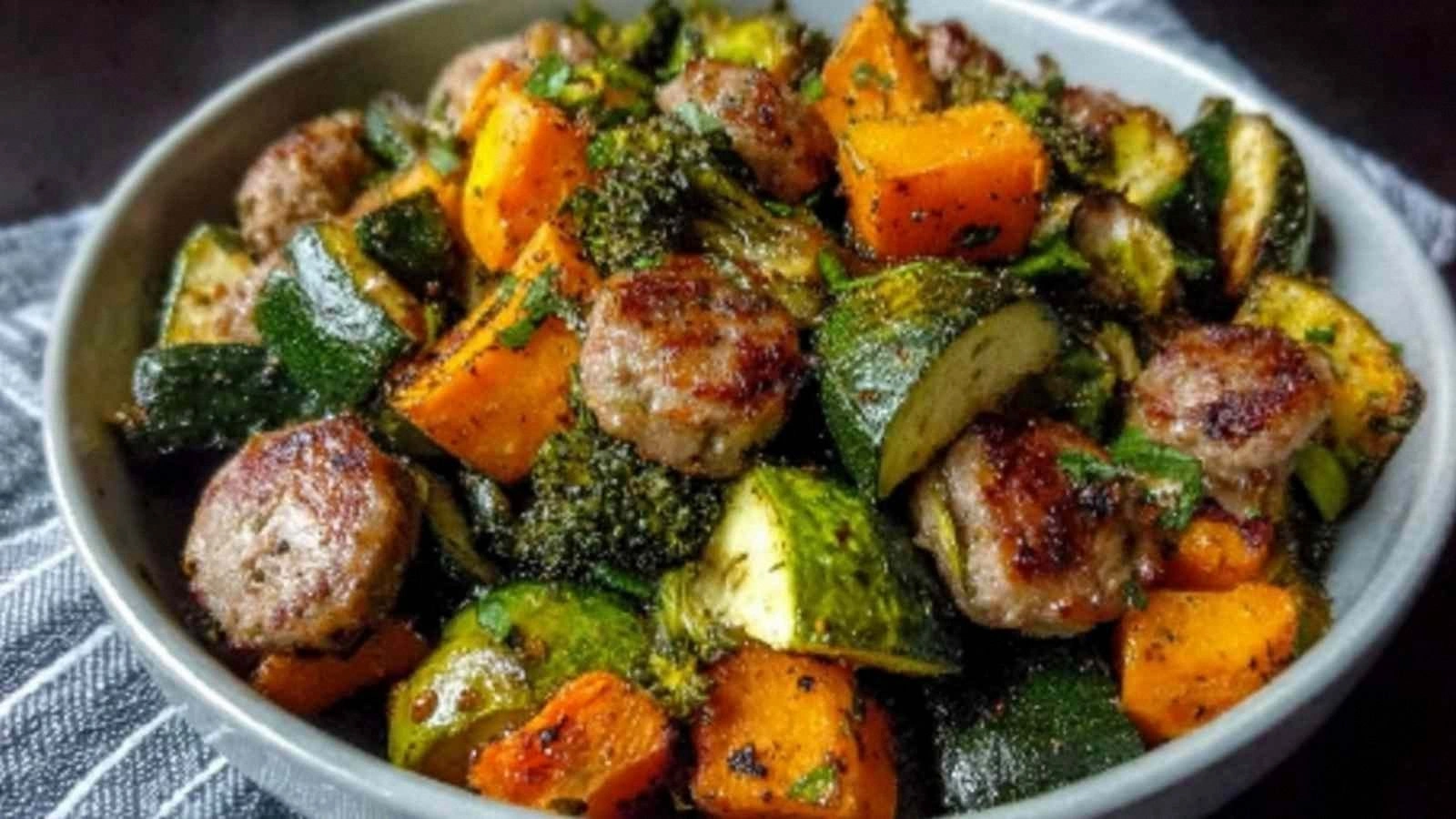
The Method — Step by Step
- Heat the skillet. Place a large, heavy‑bottom skillet over medium‑high heat and let it get hot enough that a drop of water sizzles and evaporates instantly. This high heat is essential for the sausage to brown properly and to create that caramelized crust. The sizzling sound is the first hint that the magic is about to begin.
- Cook the sausage. Add the Italian sausage to the skillet, breaking it up with a spatula. Let it cook undisturbed for about 4 minutes, allowing the fat to render and the sausage to develop a golden crust. Flip the sausage, then continue cooking for another 3–4 minutes until fully browned and no longer pink inside. The sausage should be juicy and flavorful, ready to impart its richness to the veggies.
- Remove excess fat. Once the sausage is browned, use a slotted spoon to transfer it to a plate, leaving about 1 tablespoon of fat in the skillet. This fat will be the base for the vegetables, ensuring they cook in a flavorful medium. Don’t discard the fat; it’s the secret sauce that binds the dish.
- Saute the onions. Add the sliced red onion to the skillet. Sauté for 2–3 minutes until it starts to soften and turn translucent. The onion will release its natural sugars, adding a sweet undertone that balances the sausage’s savoriness.
- Add the zucchini. Toss in the sliced zucchini, stirring to coat it in the residual fat. Cook for 3–4 minutes, letting the zucchini start to brown on the edges. The zucchini’s mild flavor will absorb the seasoning, becoming tender yet still slightly crisp.
- Introduce the bell pepper. Add the sliced bell pepper to the skillet, stirring to combine. Cook for 2–3 minutes, allowing the pepper to soften while maintaining a bright color. This step adds a pop of sweetness that complements the savory elements.
- Season the mix. Sprinkle the minced garlic, dried oregano, and red pepper flakes over the vegetables. Stir quickly to prevent the garlic from burning, and cook for an additional minute until fragrant. The aroma should be inviting and slightly spicy, signaling that the flavors are coming together.
- Return the sausage. Add the browned sausage back into the skillet, mixing it with the vegetables. Stir to ensure the sausage is evenly distributed and the vegetables are coated in the savory glaze. Let everything simmer together for 2–3 minutes, allowing the flavors to meld.
- Finish with herbs. Remove the skillet from heat, sprinkle freshly chopped basil or parsley over the bowl, and give it a final stir. The herbs will add a bright, herbal finish that lifts the dish from ordinary to extraordinary. The aroma should be fragrant and inviting.
- Serve immediately. Transfer the skillet bowl to a serving dish or plate, and if desired, drizzle a splash of olive oil or a squeeze of lemon juice for extra brightness. The dish is best enjoyed hot, with the sausage’s juices still shimmering on the vegetables. Enjoy the burst of flavors and textures with every bite.
That's it — you did it. But hold on, I've got a few more tricks that'll take this to another level.
Insider Tricks for Flawless Results
The Temperature Rule Nobody Follows
Many cooks think a lower heat is better for sautéing, but this dish thrives on medium‑high heat. The high temperature caramelizes the sausage and vegetables, creating a richer flavor profile. Keep the skillet hot enough that each ingredient sizzles upon contact; if the skillet is too cool, the sausage will steam instead of sear.
Why Your Nose Knows Best
Before you even taste the dish, let the aroma fill the kitchen. The scent of browned sausage, caramelized onions, and fresh herbs will tell you if the flavors are balanced. If something smells too sharp or burnt, it’s a cue to adjust the heat or seasoning.
The 5-Minute Rest That Changes Everything
After cooking, let the skillet bowl rest for five minutes before serving. This short rest allows the juices to redistribute, ensuring each bite is juicy and flavorful. It also gives the flavors a chance to meld, making the dish taste even more cohesive.
Use a Non-Stick Pan for Easy Cleanup
While a cast‑iron skillet gives great heat distribution, a non‑stick pan can make the process smoother, especially for beginners. The sausage and veggies will release more easily, reducing the chance of sticking and making cleanup a breeze.
Keep the Sausage Fat in the Skillet
Don’t discard the fat that renders from the sausage; it’s the key to the dish’s depth. If you’re watching calories, you can skim off the excess after the sausage is cooked, but leaving a tablespoon behind is essential for flavor.
Creative Twists and Variations
This recipe is a playground. Here are some of my favorite ways to switch things up:
Spicy Chipotle Kick
Swap the red pepper flakes for a teaspoon of chipotle powder for a smoky heat that pairs beautifully with the sausage. The smoky undertone adds depth, while the chipotle’s mild spiciness keeps the dish approachable. This variation works well for those who love a little extra bite.
Greek Yogurt Swirl
Stir in a dollop of Greek yogurt at the end to add creaminess and a tangy contrast to the savory sausage. The yogurt’s acidity brightens the dish, while its thickness gives a velvety finish. Serve with a sprinkle of oregano for an extra Greek flair.
Quinoa Power Bowl
Serve the skillet over a bed of fluffy quinoa to turn the dish into a complete, protein‑rich meal. The nutty quinoa complements the sausage’s flavor while adding a hearty texture. It’s perfect for a post‑workout meal or a quick lunch.
Roasted Veggie Edition
Instead of sautéing, roast the zucchini, bell pepper, and onion in the oven at 425°F for 20 minutes before adding the sausage. The roasting caramelizes the veggies, giving them a deeper, sweeter flavor. This method reduces stovetop time and adds a rustic twist.
Vegan Sausage Swap
Use a plant‑based sausage for a vegan version that still delivers the same savory depth. Choose a sausage that’s seasoned with oregano and red pepper flakes to keep the flavor profile consistent. The rest of the recipe remains unchanged, making it a quick and delicious vegan option.
Cheesy Finale
Sprinkle shredded mozzarella or cheddar over the skillet in the last minute of cooking, allowing it to melt into the savory glaze. The cheese adds a creamy, indulgent layer that pairs perfectly with the sausage and veggies. Finish with a drizzle of balsamic reduction for a sweet, tangy finish.
Storing and Bringing It Back to Life
Fridge Storage
Store leftovers in an airtight container in the refrigerator for up to 3 days. The dish stays moist and flavorful, with the sausage’s richness infusing the veggies. Let it sit at room temperature for 10–15 minutes before serving to bring back the warmth.
Freezer Friendly
Freeze portions in freezer‑safe containers for up to 2 months. When reheating, thaw overnight in the refrigerator or use the microwave’s defrost setting. The dish retains its texture, and the sausage remains juicy.
Best Reheating Method
Reheat in a skillet over medium heat, adding a splash of water or broth to keep the dish moist. This steams the veggies gently, restoring their fresh texture. Finish with a fresh sprinkle of herbs for that bright, fresh finish.