
Roasted Eggplant Caponata
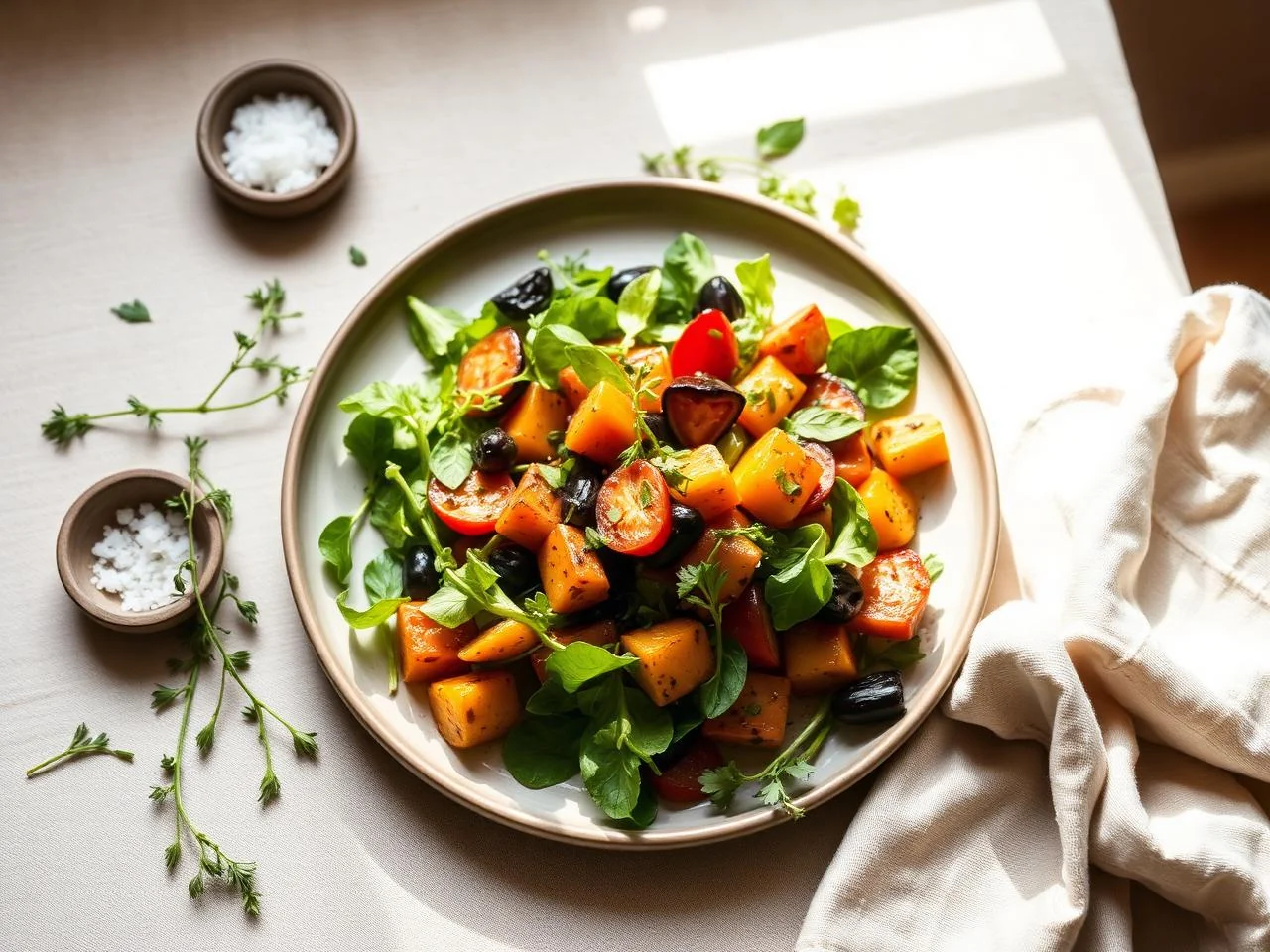
I still remember the first time I tasted Roasted Eggplant Caponata at a local Italian restaurant. The combination of tender eggplant, sweet caramelized onions, and tangy capers was love at first bite. Since then, I've been perfecting my own recipe to share with friends and family.
As a home cook, I'm always on the lookout for dishes that are both flavorful and easy to make. Roasted Eggplant Caponata fits the bill, with its short list of ingredients and simple preparation. Plus, it's a great way to enjoy the sweetness of roasted eggplant without a lot of fuss.
One of the things I love about this recipe is its versatility. You can serve it as a side dish, add it to sandwiches, or even use it as a topping for salads. And because it's made with fresh, seasonal ingredients, you can feel good about what you're putting in your body.
In this recipe, we'll walk through the steps to make a delicious Roasted Eggplant Caponata from scratch. From selecting the right eggplants to achieving the perfect balance of flavors, I'll share my tips and tricks for making this dish a success.
So whether you're a seasoned cook or just starting out, I invite you to join me on this culinary journey. Let's get started and make some amazing Roasted Eggplant Caponata!
Why You’ll Love This Recipe
- Easy to make with just a few ingredients
- Perfect for any occasion, from casual gatherings to special events
- Can be served as a side dish, added to sandwiches, or used as a topping for salads
- Made with fresh, seasonal ingredients for a healthy and flavorful dish
- Versatile and customizable to suit your tastes and preferences
- Great way to enjoy the sweetness of roasted eggplant without a lot of fuss
- Balanced flavors and textures make for a satisfying and refreshing dish
Why This Recipe Works
The key to a great Roasted Eggplant Caponata is in the balance of flavors and textures. By roasting the eggplant until it's tender and lightly caramelized, we bring out its natural sweetness. Then, we add a mixture of sautéed onions, capers, and garlic to give the dish a depth of flavor.
Another important aspect of this recipe is the use of acidity, provided by the red wine vinegar and lemon juice. This helps to cut through the richness of the eggplant and adds a bright, refreshing note to the dish.
Finally, the quality of the ingredients is crucial. Fresh, seasonal eggplant, onions, and herbs make all the difference in the world. So be sure to choose the best ingredients you can find, and don't be afraid to get creative with the recipe to make it your own.
By following these tips and techniques, you'll be able to create a Roasted Eggplant Caponata that's not only delicious but also visually stunning. The combination of colors and textures will add a pop of excitement to any meal, and the flavors will leave you wanting more.
Ingredients You’ll Need
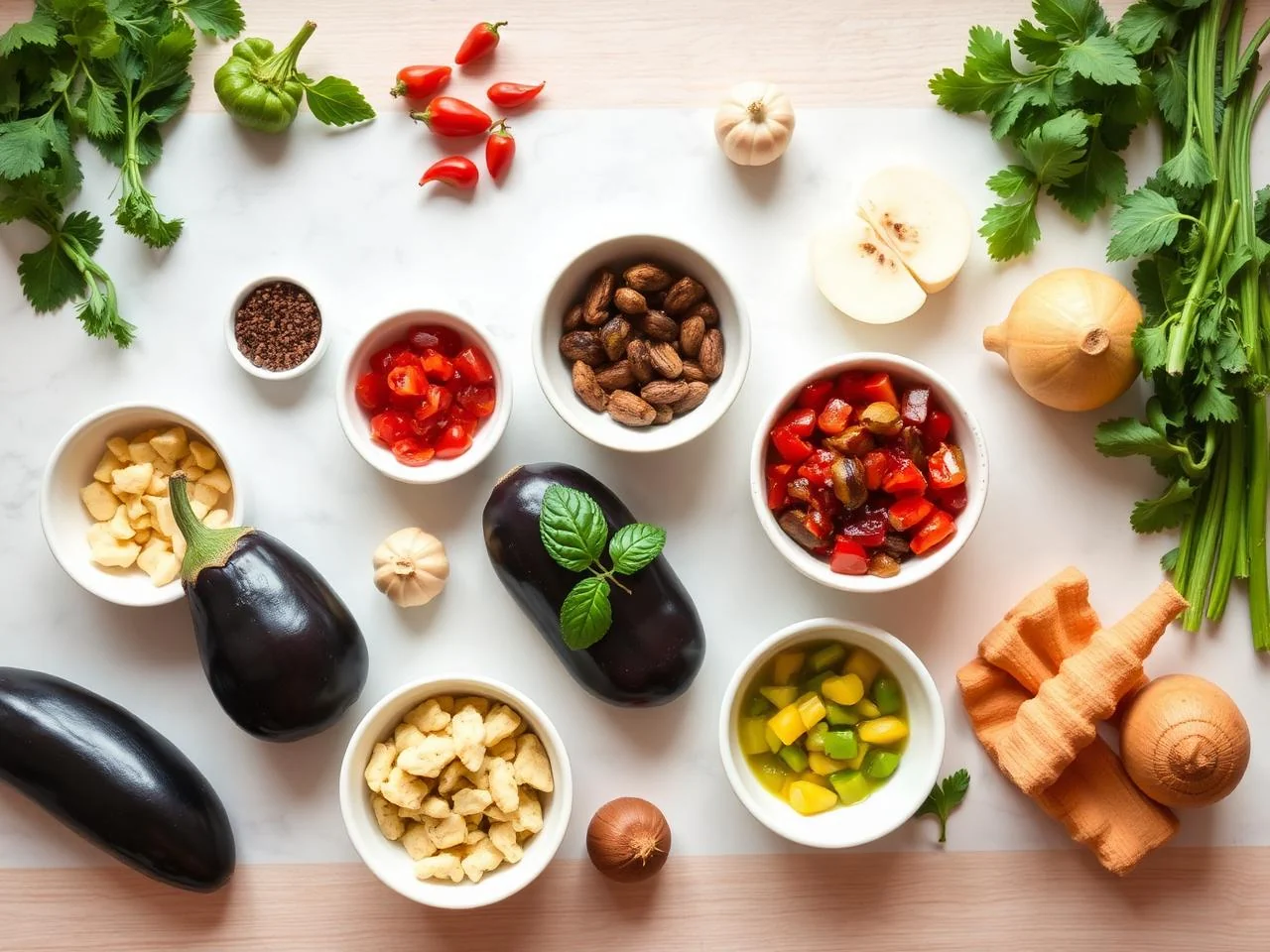
To make this delicious Roasted Eggplant Caponata, you'll need a few key ingredients. First and foremost, you'll need some beautiful eggplants, preferably the Italian or globe variety. You'll also need some sweet onions, garlic, capers, red wine vinegar, lemon juice, olive oil, salt, and pepper.
When shopping for eggplants, look for ones that are heavy for their size and have a glossy, dark purple skin. Avoid any with soft spots or wrinkles, as they may be past their prime. For the onions, choose sweet varieties like Vidalia or Maui, and be sure to select fresh, fragrant herbs like parsley or basil.
- 2 large eggplants, cut into 1-inch cubesItalian or globe eggplants work best for this recipe, as they have a meaty texture and a slightly sweet flavor. Look for ones that are heavy for their size and have a glossy, dark purple skin.
- 1 large sweet onion, thinly slicedSweet onions like Vidalia or Maui are perfect for this recipe, as they add a depth of flavor and a touch of sweetness. Be sure to slice them thinly so they caramelize evenly.
- 3 cloves garlic, mincedGarlic adds a pungent flavor to the dish, so be sure to mince it finely and sauté it until it's soft and fragrant. You can also roast the garlic in the oven for a deeper flavor.
- 1/4 cup capers, rinsed and drainedCapers add a salty, tangy flavor to the dish, and a nice burst of texture. Look for ones that are packed in salt or vinegar, and be sure to rinse them well before using.
- 2 tablespoons red wine vinegarRed wine vinegar adds a bright, acidic flavor to the dish, which helps to balance out the richness of the eggplant. You can also use white wine vinegar or apple cider vinegar as a substitute.
- 2 tablespoons lemon juiceLemon juice adds a touch of acidity and a bit of brightness to the dish, which helps to cut through the richness of the eggplant. Be sure to use fresh lemon juice for the best flavor.
- 1/4 cup olive oilOlive oil is used to roast the eggplant and sauté the onions, so be sure to choose a high-quality oil with a mild flavor. You can also use avocado oil or grapeseed oil as a substitute.
- 1 teaspoon saltSalt enhances the flavors of the dish and helps to bring out the natural sweetness of the eggplant. Be sure to use a flaky, kosher salt for the best flavor.
- 1/2 teaspoon black pepperBlack pepper adds a touch of spice and depth to the dish, and helps to balance out the flavors. Be sure to use freshly ground pepper for the best flavor.
- 1/4 cup chopped fresh parsleyFresh parsley adds a bright, fresh flavor to the dish, and a nice burst of color. Be sure to chop it finely and add it just before serving, so it retains its flavor and texture.
- 2 tablespoons chopped fresh basilFresh basil adds a sweet, slightly spicy flavor to the dish, and a nice aroma. Be sure to chop it finely and add it just before serving, so it retains its flavor and texture.
- 1/4 cup grated Parmesan cheeseParmesan cheese adds a salty, nutty flavor to the dish, and a nice burst of texture. Be sure to grate it finely and add it just before serving, so it retains its flavor and texture.
Equipment You’ll Need
How to Make Roasted Eggplant Caponata
- 1Preheat the oven to 425°F (220°C). Line a roasting pan with parchment paper or a silicone mat.
- 2Toss the eggplant cubes with 2 tablespoons of olive oil, salt, and pepper on the prepared roasting pan. Roast in the preheated oven for 25-30 minutes, or until the eggplant is tender and lightly caramelized, with an internal temperature of at least 190°F (88°C).
- 3While the eggplant is roasting, heat 2 tablespoons of olive oil in a large skillet over medium heat. Add the sliced onions and cook, stirring occasionally, for 20-25 minutes, or until they are softened and caramelized, with a deep golden brown color.
- 4Add the minced garlic to the skillet with the onions and cook, stirring constantly, for 1-2 minutes, or until fragrant.
- 5Stir in the capers, red wine vinegar, and lemon juice. Cook for an additional 2-3 minutes, or until the liquid has reduced slightly and the flavors have melded together.
- 6Once the eggplant is done roasting, remove it from the oven and let it cool slightly. Then, add it to the skillet with the onion mixture and stir to combine.
- 7Season the mixture with salt and pepper to taste. Then, stir in the chopped parsley, basil, and Parmesan cheese.
- 8Let the mixture cool to room temperature, then cover and refrigerate for at least 30 minutes to allow the flavors to meld together.
- 9Before serving, give the caponata a good stir and adjust the seasoning if needed. Serve chilled or at room temperature, garnished with additional parsley and basil if desired.
- 10To serve, spoon the caponata over toasted bread, crostini, or crackers. You can also use it as a topping for salads, sandwiches, or vegetables.
- 11Store any leftovers in an airtight container in the refrigerator for up to 5 days. You can also freeze the caponata for up to 2 months, then thaw and serve as needed.
Expert Tips
- To prevent the eggplant from becoming too bitter, be sure to salt it generously before roasting.
- Don't overcrowd the roasting pan, as this can cause the eggplant to steam instead of roast. Cook in batches if necessary.
- For a deeper flavor, try roasting the garlic in the oven before mincing it and adding it to the skillet.
- To add some heat to the dish, stir in some red pepper flakes or sliced jalapeños.
- Experiment with different types of vinegar, such as balsamic or white wine vinegar, for a unique flavor profile.
- Consider adding some chopped bell peppers or zucchini to the skillet with the onions for added flavor and texture.
- For a creamier caponata, stir in some Greek yogurt or sour cream before serving.
- To make the dish more substantial, serve the caponata over roasted vegetables or whole grains.
Common Mistakes to Avoid
- Not salting the eggplant before roasting, which can result in a bitter flavor.
- Overcrowding the roasting pan, which can cause the eggplant to steam instead of roast.
- Not cooking the onions long enough, which can result in a lack of depth of flavor.
- Not stirring the caponata frequently enough, which can cause it to stick to the bottom of the pan.
- Not letting the caponata cool to room temperature before refrigerating, which can cause it to become too cold and congealed.
- Not adjusting the seasoning before serving, which can result in a dish that is too salty or too bland.
Variations and Substitutions
- Add some chopped olives or artichoke hearts to the skillet with the onions for added flavor and texture.
- Use different types of cheese, such as feta or goat cheese, for a unique flavor profile.
- Stir in some chopped fresh herbs, such as parsley or basil, for a brighter, fresher flavor.
- Add some heat to the dish by stirring in some red pepper flakes or sliced jalapeños.
- Experiment with different types of vinegar, such as balsamic or white wine vinegar, for a unique flavor profile.
- Consider adding some chopped bell peppers or zucchini to the skillet with the onions for added flavor and texture.
- For a creamier caponata, stir in some Greek yogurt or sour cream before serving.
What to Serve With Roasted Eggplant Caponata
Rounded out with a side of crusty bread or over a bed of greens, this Roasted Eggplant Caponata is sure to please even the pickiest of eaters. You can also serve it as a topping for sandwiches or salads, or use it as a side dish for grilled meats or vegetables.
Some other ideas for serving the caponata include using it as a dip for vegetables or pita chips, or as a topping for baked potatoes or whole grains. You could also add it to a charcuterie board or use it as a filling for stuffed bell peppers.
Make-Ahead, Storage, Freezing and Reheating
This Roasted Eggplant Caponata can be stored in an airtight container in the refrigerator for up to 5 days. You can also freeze it for up to 2 months, then thaw and serve as needed.
To freeze the caponata, simply spoon it into an airtight container or freezer bag, making sure to press out as much air as possible before sealing. Then, label and date the container or bag, and store it in the freezer.
To thaw the caponata, simply leave it in the refrigerator overnight or thaw it in the microwave according to the manufacturer's instructions. Once thawed, give the caponata a good stir and adjust the seasoning if needed before serving.
Reheating the caponata is easy - simply spoon it into a saucepan or skillet and heat it over low heat, stirring occasionally, until warmed through. You can also reheat it in the microwave, stirring every 30 seconds until warmed through.
Frequently Asked Questions
What type of eggplant is best for this recipe?
Italian or globe eggplants work best for this recipe, as they have a meaty texture and a slightly sweet flavor. Look for ones that are heavy for their size and have a glossy, dark purple skin.
Can I use other types of vinegar in place of red wine vinegar?
Yes, you can use other types of vinegar, such as balsamic or white wine vinegar, for a unique flavor profile. Just be sure to taste and adjust the seasoning as needed.
How do I prevent the eggplant from becoming too bitter?
To prevent the eggplant from becoming too bitter, be sure to salt it generously before roasting. This will help to draw out excess moisture and reduce the bitterness.
Can I make this recipe ahead of time?
Yes, you can make this recipe ahead of time. Simply prepare the caponata as directed, then store it in an airtight container in the refrigerator for up to 5 days or freeze for up to 2 months. Reheat and serve as needed.
What are some ideas for serving the caponata?
Some ideas for serving the caponata include using it as a dip for vegetables or pita chips, as a topping for sandwiches or salads, or as a side dish for grilled meats or vegetables. You could also add it to a charcuterie board or use it as a filling for stuffed bell peppers.
Can I add other ingredients to the caponata for added flavor and texture?
Yes, you can add other ingredients to the caponata for added flavor and texture. Some ideas include chopped olives, artichoke hearts, bell peppers, or zucchini. Just be sure to taste and adjust the seasoning as needed.
How do I reheat the caponata?
To reheat the caponata, simply spoon it into a saucepan or skillet and heat it over low heat, stirring occasionally, until warmed through. You can also reheat it in the microwave, stirring every 30 seconds until warmed through.
Can I freeze the caponata?
Yes, you can freeze the caponata for up to 2 months. Simply spoon it into an airtight container or freezer bag, making sure to press out as much air as possible before sealing. Then, label and date the container or bag, and store it in the freezer.
Ingredients
- 2 large eggplants, cut into 1-inch cubes
- 1 large sweet onion, thinly sliced
- 3 cloves garlic, minced
- 1/4 cup capers, rinsed and drained
- 2 tablespoons red wine vinegar
- 2 tablespoons lemon juice
- 1/4 cup olive oil
- 1 teaspoon salt
- 1/2 teaspoon black pepper
- 1/4 cup chopped fresh parsley
- 2 tablespoons chopped fresh basil
- 1/4 cup grated Parmesan cheese
Instructions
- Preheat the oven to 425°F (220°C). Line a roasting pan with parchment paper or a silicone mat.
- Toss the eggplant cubes with 2 tablespoons of olive oil, salt, and pepper on the prepared roasting pan. Roast in the preheated oven for 25-30 minutes, or until the eggplant is tender and lightly caramelized, with an internal temperature of at least 190°F (88°C).
- While the eggplant is roasting, heat 2 tablespoons of olive oil in a large skillet over medium heat. Add the sliced onions and cook, stirring occasionally, for 20-25 minutes, or until they are softened and caramelized, with a deep golden brown color.
- Add the minced garlic to the skillet with the onions and cook, stirring constantly, for 1-2 minutes, or until fragrant.
- Stir in the capers, red wine vinegar, and lemon juice. Cook for an additional 2-3 minutes, or until the liquid has reduced slightly and the flavors have melded together.
- Once the eggplant is done roasting, remove it from the oven and let it cool slightly. Then, add it to the skillet with the onion mixture and stir to combine.
- Season the mixture with salt and pepper to taste. Then, stir in the chopped parsley, basil, and Parmesan cheese.
- Let the mixture cool to room temperature, then cover and refrigerate for at least 30 minutes to allow the flavors to meld together.
- Before serving, give the caponata a good stir and adjust the seasoning if needed. Serve chilled or at room temperature, garnished with additional parsley and basil if desired.
- To serve, spoon the caponata over toasted bread, crostini, or crackers. You can also use it as a topping for salads, sandwiches, or vegetables.
- Store any leftovers in an airtight container in the refrigerator for up to 5 days. You can also freeze the caponata for up to 2 months, then thaw and serve as needed.