I remember the night I nearly burned down the kitchen trying to make a simple roast. I had a whole butternut squash, a handful of spices, and a dream of caramelized sweetness. The oven door was open, the timer was set, and I stared at the pot of maple syrup like it might sprout wings. When the timer chimed, the smell that hit me was a mixture of toasted sugar, peppery rosemary, and something that tasted like autumn itself. That moment was a culinary catastrophe turned revelation; the squash was charred on the edges, but inside it was a molten, buttery center that made my taste buds do a double take.
I was so hungry I almost skipped the prep, but I decided to give the dish a chance. The moment the squash hit the hot pan, I could hear the sizzle that promised crisp edges and a caramelized crust. The aroma that unfurled was a sweet, earthy perfume that made me imagine a cozy cabin kitchen. The texture of the roasted cubes was a contrast of crunchy exteriors and soft, syrupy interiors. And the taste? A harmonious blend of maple sweetness, savory rosemary, and a subtle hint of cinnamon that made my palate sing.
What set this version apart from the countless other roasted squash recipes I’ve tried was the unexpected pairing of maple syrup and rosemary. Most recipes lean toward pure sweetness or simple olive oil and salt, but this one balances sweet and savory in a way that feels both comforting and adventurous. The maple syrup coats each cube like a glossy glaze, giving it a caramelized sheen that is impossible to resist. The rosemary adds a fresh, herbal depth that cuts through the natural sweetness, creating a flavor profile that is both complex and approachable.
I dare you to taste this and not go back for seconds. The first bite delivers a burst of sweetness, followed by a savory finish that lingers on the tongue. If you’ve ever struggled with roasted squash that turns out mushy or bland, you’re not alone — and I’ve got the fix. Picture yourself pulling this out of the oven, the whole kitchen smelling incredible, and sharing it with friends who will marvel at the depth of flavor. This is hands down the best version you’ll ever make at home.
What Makes This Version Stand Out
- Taste: The maple syrup and rosemary create a sweet‑savory harmony that elevates the natural nuttiness of the squash. The subtle cinnamon adds a warm undertone that feels like a hug in a bowl. This combination turns a simple side into a showstopper.
- Texture: The high‑heat roasting caramelizes the exterior while keeping the interior silky and creamy. The result is a contrast of crunchy edges and soft, buttery centers that crackle like thin ice when you bite. It’s a sensory experience that keeps you coming back.
- Ingredient Quality: Using a single, large butternut squash ensures even roasting and reduces prep time. Fresh rosemary and pure maple syrup provide depth and authenticity that store‑bought substitutes can’t match. The result is a dish that feels artisanal without the effort.
- Simplicity: Seven ingredients, no fancy equipment, and a single sheet pan make this recipe a breeze. You’ll finish in under 45 minutes, leaving you time to enjoy the meal and the company. It’s the perfect balance between gourmet and everyday cooking.
- Make‑Ahead Potential: Once roasted, the squash can be stored in the fridge for up to three days or frozen for later use. Reheating restores the caramelized edges, so you can enjoy it fresh or on a busy weeknight. It’s a versatile dish that works for dinner parties or quick lunches.
- Crowd Reaction: Friends who expect a plain side dish are surprised by the complex flavor profile. They’ll ask for the recipe, and you’ll proudly reveal the secret ingredients. The dish becomes a conversation starter at any gathering.
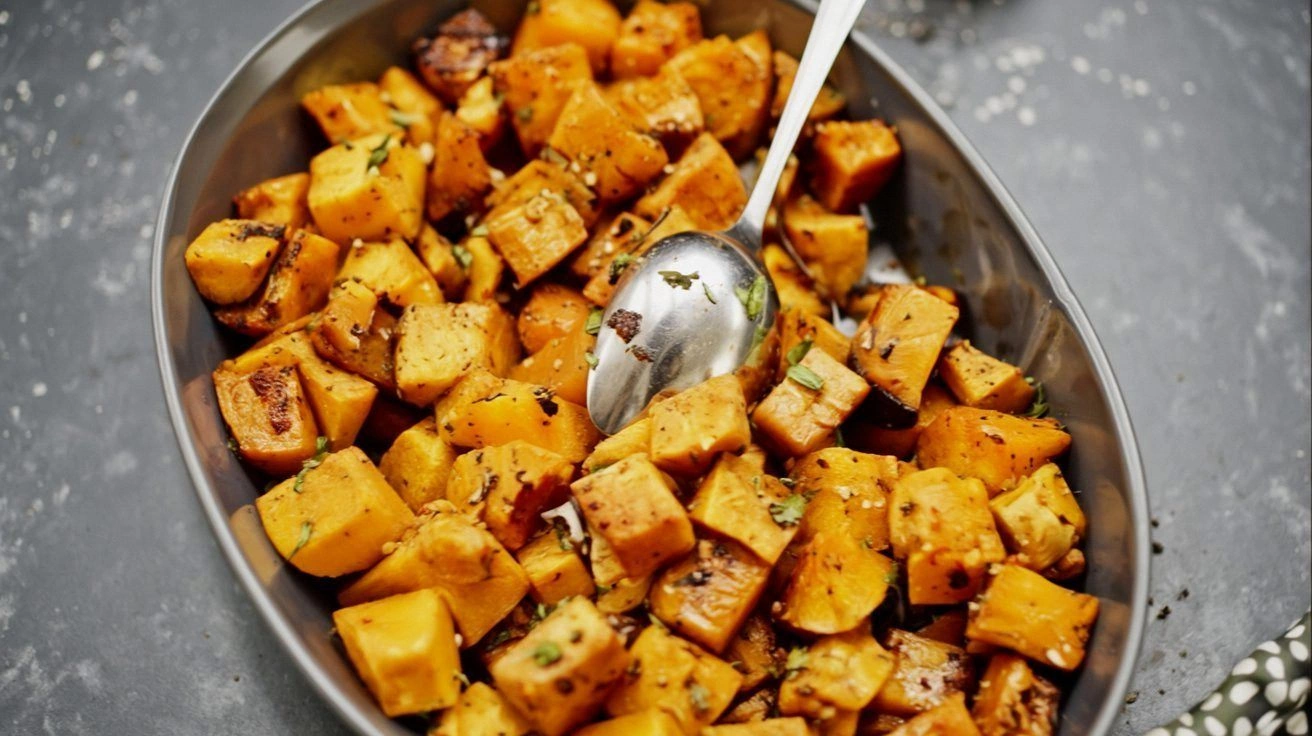
- Visual Appeal: The golden, caramelized cubes look as good as they taste, making the dish Instagram‑worthy. The glossy glaze catches the light, creating an irresistible visual hook. It’s a dish that invites photos and compliments alike.
Inside the Ingredient List
The Flavor Base
The maple syrup is the sweet backbone of this dish. It not only sweetens the squash but also creates a glossy, caramelized coating that locks in moisture. If you skip it, the squash will still roast, but the depth of flavor will feel missing, like a song without its chorus.
The fresh rosemary adds an aromatic, slightly piney note that cuts through the sweetness. Its leaves release essential oils when heated, infusing the squash with a subtle herbal brightness. If rosemary is out of season, you can use dried rosemary, but fresh is the gold standard.
The Texture Crew
The olive oil is essential for caramelization and for binding the maple syrup to the squash. It helps the cubes develop a crisp exterior while keeping the interior moist. Without it, the squash might dry out and fail to achieve that coveted crunch.
The salt and pepper are the seasoning duo that rounds out the dish. Kosher salt enhances the natural sweetness, while freshly ground black pepper adds a subtle heat that keeps the palate engaged. If you’re watching sodium, a pinch of sea salt can replace the kosher salt without losing flavor.
The Unexpected Star
Ground cinnamon is the secret weapon that brings warmth and depth. It pairs beautifully with maple, creating an almost holiday vibe even outside of the season. If you’re not a cinnamon fan, try a pinch of nutmeg for a different spice profile.
The butternut squash itself is the star; its natural sweetness is amplified by the maple and spices. Choosing a squash that’s firm and free of blemishes ensures even roasting and a consistent flavor. When selecting, look for a squash that feels heavy for its size and has a smooth, unblemished skin.
The Final Flourish
The finishing touch is a light drizzle of maple syrup after roasting, which adds an extra layer of sweetness and shine. It also helps to rehydrate any slightly dry edges. If you prefer a less sweet finish, simply skip this step and enjoy the caramelized crust as is.
Everything's prepped? Good. Let's get into the real action.
The Method — Step by Step
- Preheat your oven to 425°F (220°C). Let the oven heat up while you prepare the squash, because a hot oven is key to caramelizing the edges. This temperature ensures the natural sugars in the squash break down beautifully. If you’re using a convection oven, reduce the temperature by 25°F to avoid over‑browning.
- While the oven is preheating, peel the butternut squash, remove the seeds, and cut it into 1‑inch cubes. A uniform size ensures even roasting and a consistent texture. Be careful with the knife; the squash is slippery when wet. If you prefer a smoother surface, you can trim the ends to make a flat base.
- In a large bowl, whisk together 1½ tablespoons of extra‑virgin olive oil and 1½ tablespoons of pure maple syrup. Add 1¾ teaspoons of kosher salt, ¾ teaspoon of ground cinnamon, and ½ teaspoon of freshly ground black pepper. Toss the cubes until they’re evenly coated. The oil and maple syrup should clump together slightly, creating a glossy coating.
- Fold in 1 tablespoon of chopped fresh rosemary, reserving a few sprigs for garnish if desired. The rosemary will release its oils during roasting, giving the squash a fragrant aroma. Spread the coated cubes in a single layer on a parchment‑lined baking sheet. Avoid overcrowding; the cubes need space to crisp.
- Place the sheet in the preheated oven and roast for 15 minutes. After the initial roasting, you’ll notice the edges turning a golden brown. This first stage caramelizes the sugars and begins to develop the crunchy texture. Keep an eye on the cubes; if they start to burn, lower the temperature slightly.
- At the 15‑minute mark, give the sheet a gentle shake or use a spatula to flip the cubes. This ensures even browning on all sides. Return to the oven and continue roasting for an additional 10–12 minutes. The cubes should look glossy and the edges slightly crisp.
- Check for doneness by inserting a fork into the center of a cube; it should slide in easily without resistance. The interior should be tender and the exterior caramelized. If you prefer a chewier center, reduce the roasting time by a couple of minutes.
- Remove the sheet from the oven and let the squash rest for 5 minutes. Resting allows the juices to redistribute, keeping the cubes moist. While resting, you can drizzle a little extra maple syrup for an extra glossy finish. The aroma during this step is absolutely intoxicating.
- Serve immediately, garnished with fresh rosemary sprigs if desired. Pair with a light salad or use as a side to roasted meats. This dish is also great as a topping for grain bowls or as a hearty addition to a vegetarian main. Enjoy the sweet‑savory explosion.
Insider Tricks for Flawless Results
The Temperature Rule Nobody Follows
Many people think 400°F is enough, but 425°F is the sweet spot for caramelization. The higher heat causes the sugars to break down faster, giving you that glossy finish. If you’re using a gas oven, keep the fan off to maintain steady heat.
Why Your Nose Knows Best
Close your eyes and smell the squash as it roasts. The scent of caramelized maple and rosemary is a cue that the edges are crisping just right. If the smell is too sweet, the squash might be over‑baked; if it’s bland, you need more time.
The 5‑Minute Rest That Changes Everything
Resting the squash after roasting lets the juices redistribute, preventing a dry center. It also allows the maple glaze to set, making the glaze less likely to drip off when you plate. This simple step can mean the difference between a good dish and a great one.
The “Shake It” Technique
During the second roasting phase, give the sheet a quick shake or stir the cubes. This ensures even browning and prevents any one side from burning. Think of it as a dance for the squash; each movement brings a new flavor.
The Finish with Fresh Rosemary
Adding fresh rosemary at the end of roasting, not at the beginning, keeps its aroma bright. If you add it too early, the heat can wilt the leaves, losing the aromatic punch. A few sprigs on top at serving time adds a pop of color and fragrance.
The Quick Slice Test
Use a sharp knife to cut through the center of a cube. The knife should glide through without resistance. If it meets resistance, the squash needs a few more minutes; if it’s too soft, it’s over‑roasted.
Creative Twists and Variations
This recipe is a playground. Here are some of my favorite ways to switch things up:
Spicy Maple Crunch
Add a pinch of cayenne pepper or a dash of hot sauce to the maple mixture. The heat contrasts the sweetness, creating a flavor profile that’s both comforting and adventurous. This variation is perfect for those who like a little kick in their dishes.
Garlic‑Infused Delight
Sauté minced garlic in olive oil before tossing the squash. The garlic infuses the oil, adding a savory depth that complements the maple. This version pairs beautifully with roasted chicken or turkey.
Almond‑Glazed Variation
Replace half the maple syrup with toasted almond butter. The nutty flavor adds richness and a slightly crunchy texture. Sprinkle toasted slivered almonds on top for an extra crunch.
Herb‑Infused Twist
Swap rosemary for thyme or sage for a different herbal note. Each herb brings its own character; thyme offers a subtle earthiness, while sage provides a slightly peppery finish. Experimenting with herbs allows you to tailor the dish to your taste.
Vegan Protein Boost
Serve the roasted squash over quinoa or farro for a complete protein meal. Add a drizzle of tahini or a sprinkle of nutritional yeast for extra flavor. This variation makes the dish a hearty, plant‑based main course.
Storing and Bringing It Back to Life
Fridge Storage
Store leftovers in an airtight container for up to three days. Keep the container at room temperature for a quick snack or refrigerate for later use. When you’re ready to eat, reheat in the oven to restore crispness.
Freezer Friendly
Freeze roasted cubes in a single layer on a parchment paper sheet, then transfer to a freezer bag once solid. They can stay in the freezer for up to two months. Thaw overnight in the fridge and reheat in a 350°F oven for 10 minutes.
Best Reheating Method
To reheat, preheat your oven to 350°F and spread the squash on a baking sheet. Add a splash of water or broth to create steam, which keeps the cubes moist. Cover loosely with foil for the first five minutes, then remove the foil to allow the edges to crisp.