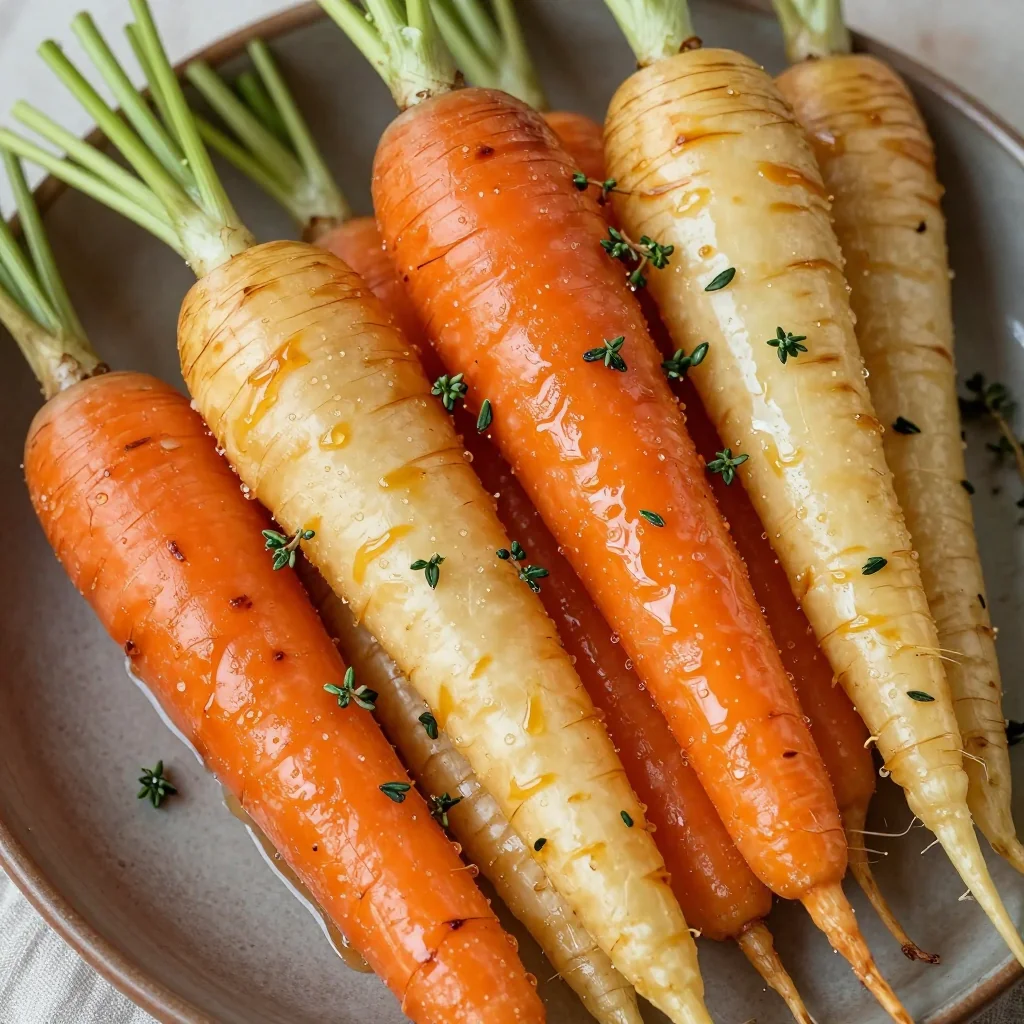
Love this? Pin it for later! 📌
Glazed Carrots and Parsnips with Fresh Thyme: The Ultimate Warm Family Side Dish
There’s something magical about the moment these glossy, jewel-toned vegetables hit the table. The aroma of butter and thyme mingles with the natural sweetness of carrots and the earthy depth of parsnips, instantly transporting me back to my grandmother’s farmhouse kitchen where Sunday dinners stretched long into golden afternoons. This glazed carrots and parsnips recipe has become my go-to for every family gathering—from Thanksgiving feasts to casual Tuesday night dinners—because it’s elegant enough for company yet simple enough for weeknight cooking.
What makes this dish truly special is how it transforms humble root vegetables into something extraordinary. The glazing technique creates a beautiful caramelized exterior while keeping the inside tender and flavorful. Fresh thyme adds an aromatic note that complements the vegetables perfectly, making this side dish the star of any meal. Whether you're hosting a holiday dinner or simply want to add more vegetables to your family's table, this recipe will become your new favorite way to enjoy these nutritious vegetables.
Why This Recipe Works
- Perfect Balance: The combination of carrots' natural sweetness with parsnips' earthy flavor creates a harmonious taste profile
- Quick Preparation: Ready in under 30 minutes with minimal prep work required
- Make-Ahead Friendly: Can be prepared in advance and reheated without losing flavor or texture
- Year-Round Versatility: Works equally well for holiday meals and everyday dinners
- Cost-Effective: Uses affordable, readily available ingredients that pack maximum flavor
- Nutrient-Rich: Packed with vitamins A and C, fiber, and essential minerals
- Kid-Friendly: The natural sweetness and attractive presentation make vegetables appealing to children
Ingredients You'll Need
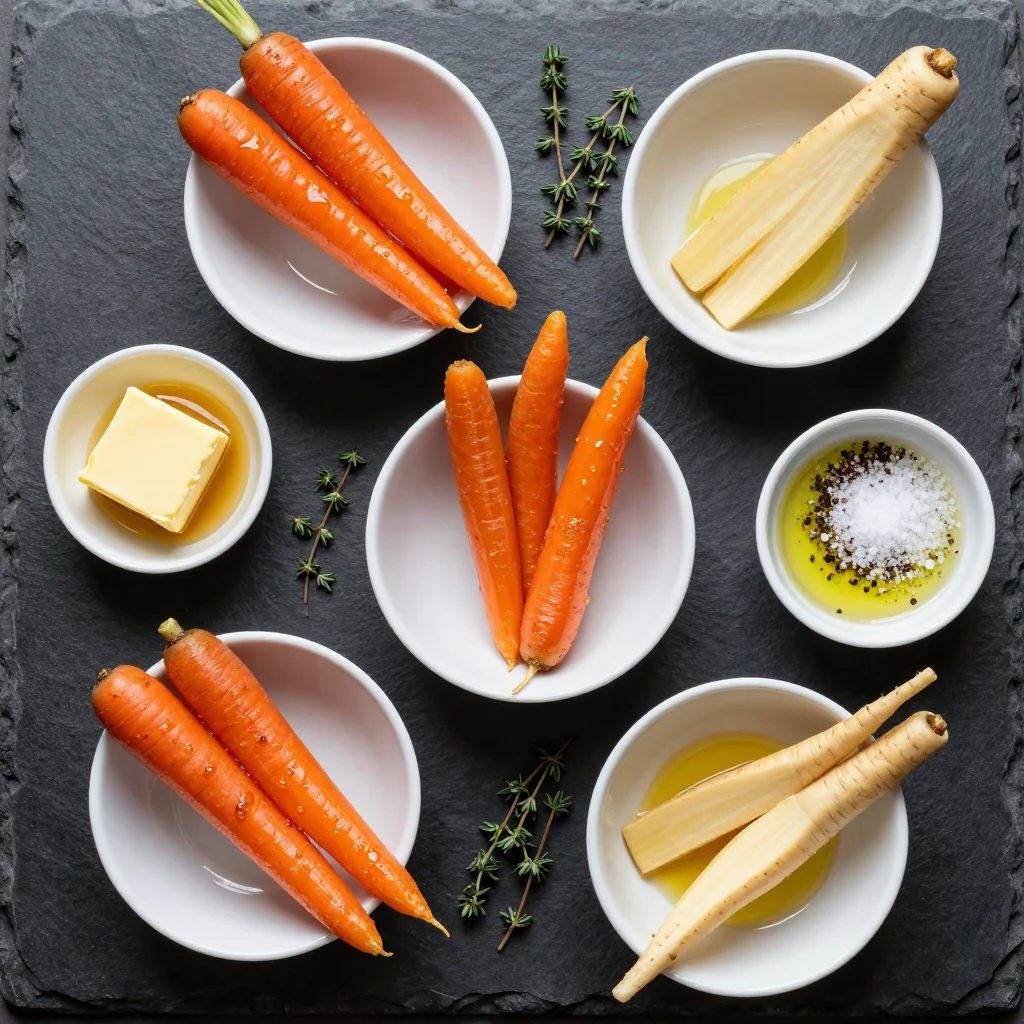
Creating this stunning side dish requires just a handful of carefully selected ingredients that work together to create something truly special. The beauty of this recipe lies in its simplicity—each ingredient plays a crucial role in building layers of flavor and texture.
Fresh Produce Selection
When selecting carrots, look for firm, brightly colored specimens without any soft spots or cracks. I prefer using rainbow carrots when available, as their variety of colors—from deep purple to sunshine yellow—creates an absolutely stunning presentation on the plate. The different colors also offer slight variations in flavor, with purple carrots being slightly earthier and yellow carrots having a milder, more delicate taste.
Parsnips should be firm and pale, with no brown or soft areas. Choose medium-sized parsnips, as larger ones can have woody cores that require removal. When possible, select parsnips that are roughly the same diameter as your carrots, ensuring even cooking. The best parsnips have a sweet, almost nutty aroma when fresh.
Quality Butter Makes a Difference
I always use European-style butter for this recipe, as its higher fat content (typically 82-84% compared to 80% in standard butter) creates a richer, more luxurious glaze. The butter should be unsalted so you can control the seasoning precisely. If you only have salted butter, reduce the added salt in the recipe accordingly.
Fresh Thyme vs. Dried
Fresh thyme is absolutely essential to this recipe's success. The bright, lemony notes of fresh thyme complement the vegetables in a way that dried thyme simply cannot match. When buying fresh thyme, look for vibrant green leaves without any yellowing or wilting. The stems should be pliable, not woody or brittle.
Honey vs. Brown Sugar
While traditional glazed carrot recipes often use brown sugar, I've found that honey creates a more complex flavor profile and a beautiful, glossy finish. Honey's natural enzymes also help break down the vegetables slightly, resulting in a more tender texture. If you prefer, you can substitute maple syrup for a different but equally delicious flavor profile.
How to Make Glazed Carrots and Parsnips with Fresh Thyme
Prep and Peel the Vegetables
Begin by thoroughly washing your carrots and parsnips under cold running water, using a vegetable brush to remove any dirt. Peel the carrots completely, removing any tough outer skin. For parsnips, peel them twice—the first pass removes the outer skin, while the second pass removes any fibrous layer beneath. If your parsnips are particularly large, you may need to remove the woody core by cutting them in quarters lengthwise and removing the center.
Cut Uniform Pieces
Cut both vegetables on a diagonal into 2-inch pieces, approximately ½ inch thick. The diagonal cut increases surface area for better caramelization and creates a more elegant presentation. Try to keep the pieces as uniform as possible to ensure even cooking. If using rainbow carrots of different sizes, adjust your cuts accordingly so all pieces are roughly the same thickness.
Blanch the Vegetables
Bring a large pot of generously salted water to a rolling boil. Add the carrots first, cooking for 2 minutes, then add the parsnips and continue cooking for another 3-4 minutes. The vegetables should be just tender but still firm. This par-cooking step ensures even doneness and helps preserve the vibrant colors. Immediately drain and transfer to an ice bath to stop the cooking process and lock in color.
Prepare the Glaze Base
In a large, heavy-bottomed skillet, melt 3 tablespoons of butter over medium heat. Once the butter begins to foam, add 2 tablespoons of honey and ½ cup of water. Stir gently to combine, creating a syrupy base. The water helps prevent the honey from burning while allowing it to reduce properly. Add a pinch of salt and several grinds of fresh black pepper at this stage.
Add Vegetables and Thyme
Add the drained vegetables to the skillet in a single layer. Scatter 6-8 sprigs of fresh thyme over the top. The key is not to overcrowd the pan—if necessary, work in batches. Overcrowding will cause the vegetables to steam rather than glaze. Toss gently to coat the vegetables with the butter-honey mixture.
Glaze to Perfection
Increase heat to medium-high and cook, stirring occasionally, until the liquid reduces to a thick, glossy glaze that coats the vegetables, about 8-10 minutes. The glaze should bubble vigorously and turn a deep amber color. Be patient—don't rush this step, as the reduction process concentrates flavors and creates the signature glossy finish.
Finish and Season
Remove from heat and discard the thyme sprigs. Add the remaining tablespoon of butter and toss to create an extra-luxurious glaze. Taste and adjust seasoning with salt and pepper as needed. The final addition of butter creates a restaurant-quality finish and adds richness to the dish.
Garnish and Serve
Transfer to a warm serving dish and garnish with fresh thyme leaves and a light drizzle of good quality olive oil if desired. Serve immediately while hot, though these vegetables maintain their appeal even at room temperature, making them perfect for buffet-style meals.
Expert Tips
Temperature Control
Maintain consistent medium-high heat during glazing. Too low, and the vegetables become soggy; too high, and the glaze burns before properly reducing.
Pan Selection
Use a wide, heavy-bottomed skillet rather than a saucepan. The increased surface area allows for better evaporation and more even glazing.
Honey Variations
Experiment with different honey varieties—orange blossom adds citrus notes, while wildflower provides floral undertones that complement the vegetables.
Make-Ahead Strategy
Blanch vegetables up to 2 days ahead and store refrigerated. Bring to room temperature before glazing for best results and even cooking.
Thyme Alternatives
While fresh thyme is classic, try rosemary for a more robust flavor, or sage for an autumnal twist. Use sparingly as stronger herbs can overpower.
Texture Perfection
For extra caramelization, increase heat to high for the final 2 minutes of cooking, but watch closely to prevent burning.
Variations to Try
Citrus Glazed Version
Add the zest of one orange and substitute orange juice for half the water. This creates a bright, citrusy version perfect for spring meals.
Pairs beautifully with roasted chicken or fishSpiced Maple Variation
Replace honey with pure maple syrup and add ¼ teaspoon each of cinnamon and nutmeg. A pinch of cayenne adds subtle warmth.
Perfect for autumn holidays and winter comfort mealsBalsamic Glazed Option
Replace half the water with good quality balsamic vinegar. The acidity balances the sweetness and creates deeper color.
Excellent with grilled meats or as part of a vegetarian feastRoot Vegetable Medley
Add turnips, rutabaga, or sweet potatoes cut to similar sizes. This creates a more substantial side dish with varied flavors.
Storage Tips
Refrigeration
Store leftover glazed vegetables in an airtight container in the refrigerator for up to 4 days. The glaze may thicken when cold, but will return to its glossy consistency upon reheating. Place a piece of parchment paper directly on the surface before sealing to prevent the vegetables from drying out.
Freezing
While technically freezable, the texture of glazed vegetables suffers upon thawing. If you must freeze, undercook slightly during the initial preparation. Freeze in single layers on a baking sheet, then transfer to freezer bags. Use within 2 months for best quality.
Reheating
Reheat gently in a covered skillet over medium-low heat with a splash of water or stock. Microwaving is possible but may result in uneven heating. For best results, reheat in a 350°F oven for 10-12 minutes, covered with foil to prevent drying.
Frequently Asked Questions
Absolutely! While the combination creates a beautiful balance of flavors, this recipe works wonderfully with either vegetable alone. If using only carrots, consider adding a pinch of ground ginger for extra complexity. With just parsnips, a touch of nutmeg complements their earthy sweetness beautifully.
Overcooking during the blanching stage is usually the culprit. Remember that the vegetables continue cooking during the glazing process, so they should be just barely tender after blanching. Also, ensure your water is at a rolling boil before adding vegetables, and use a large pot with plenty of water to maintain temperature.
Yes! This is an excellent make-ahead dish. Complete the recipe through the glazing step, then cool and refrigerate. Reheat gently just before serving, adding a touch of butter to refresh the glaze. The vegetables can be prepared up to 2 days ahead, making them perfect for entertaining.
Maple syrup is the best substitute, providing similar sweetness and glazing properties. Agave nectar also works well. For a sugar-free option, date syrup creates beautiful results, though you may need to reduce it slightly longer to achieve the proper consistency.
Stir frequently during the final stages of glazing, and don't hesitate to reduce the heat if necessary. The glaze should bubble vigorously but not smoke. If it begins to darken too quickly, add a tablespoon of water to slow the reduction process.
While possible, baby carrots contain more water and less flavor than whole carrots, resulting in a less intense final dish. If using baby carrots, reduce the blanching time to 2-3 minutes total and be prepared for a slightly longer glazing time to achieve proper caramelization.
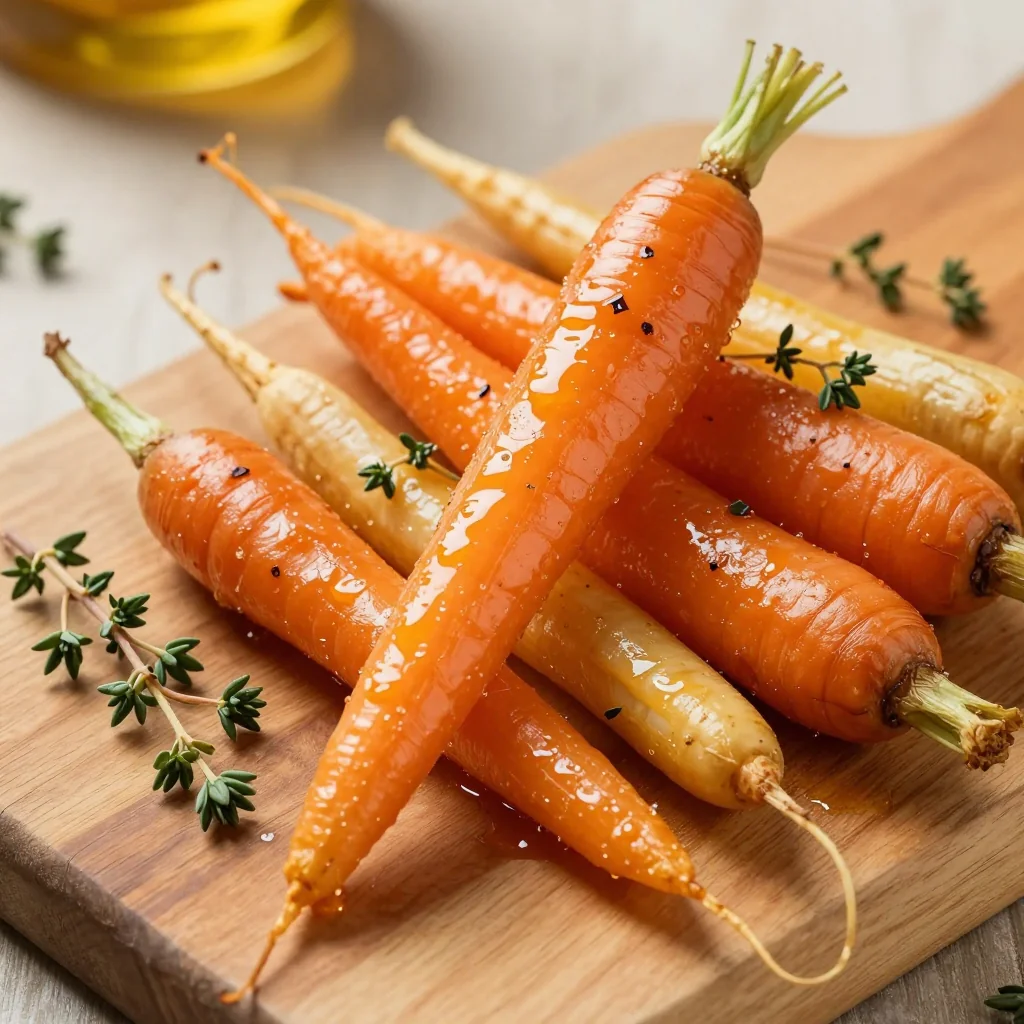
Glazed Carrots and Parsnips with Fresh Thyme
Ingredients
Instructions
- Prep vegetables: Wash, peel, and cut carrots and parsnips into uniform diagonal pieces, removing woody cores from large parsnips
- Blanch vegetables: Boil salted water, add carrots for 2 minutes, then parsnips for 3-4 more minutes until just tender. Drain and briefly ice bath
- Create glaze base: In a large skillet, melt 3 tablespoons butter over medium heat. Add honey and water, stirring to combine
- Glaze vegetables: Add vegetables and thyme to skillet. Increase heat to medium-high and cook 8-10 minutes, stirring occasionally, until liquid reduces to a glossy glaze
- Finish and serve: Remove from heat, discard thyme, add remaining butter, and season to taste. Serve hot, garnished with fresh thyme leaves
Recipe Notes
For best results, use a wide skillet to avoid overcrowding. The vegetables can be blanched up to 2 days ahead and refrigerated. Reheat gently to maintain the beautiful glossy glaze.