Love this? Pin it for later! 📌
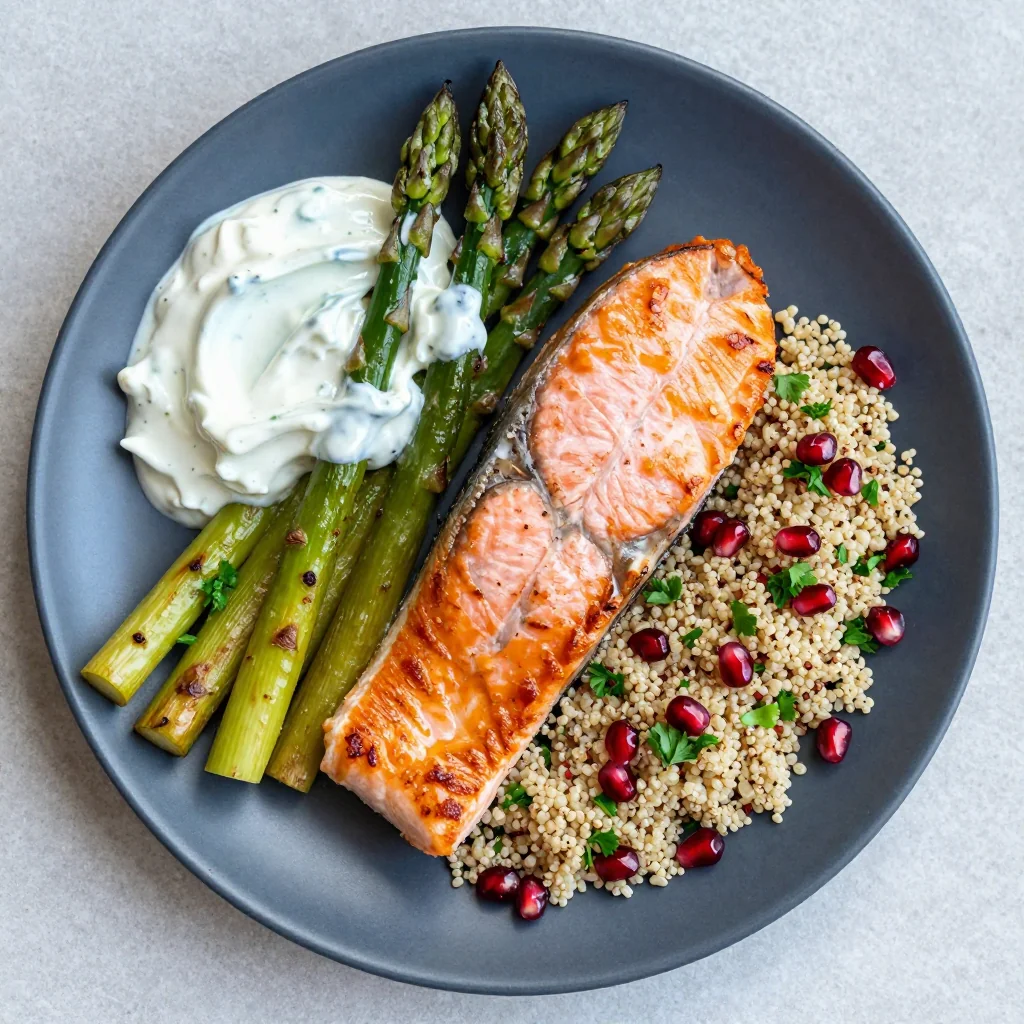
There’s something almost magical about the way Mediterranean flavors can transform a simple piece of salmon into a restaurant-worthy dinner that still feels like “clean eating.” I first served this exact recipe at my sister’s baby-shower brunch three years ago, thinking it would be a nice lighter option next to the quiches and muffins. I’ll never forget the moment her usually picky father-in-law pulled me aside, plate in hand, and asked—completely seriously—if I’d consider catering his retirement party. Since then, this Clean Eating Mediterranean Salmon has become my most-requested dish for everything from Sunday meal-prep to elegant dinner parties. It’s quick enough for a weeknight (under 30 minutes, start to finish), yet impressive enough to serve when you want to wow guests. Best of all, every ingredient pulls double-duty on flavor and nutrition: heart-healthy omega-3s, antioxidant-rich herbs, and good-for-you olive oil. If you’re looking for a no-fail, vibrant, genuinely delicious way to eat more fish, you just found it.
Why This Recipe Works
- One-pan wonder: Everything roasts together on a single sheet tray, meaning fewer dishes and more time to relax.
- Meal-prep friendly: Filets keep up to 4 days in the fridge without drying out, making weekday lunches a breeze.
- Balanced macros: 34 g of protein + 14 g of healthy fat + 9 g of low-glycemic carbs = sustained energy.
- Zero refined sugar: Natural sweetness comes from cherry tomatoes that caramelize at 425 °F.
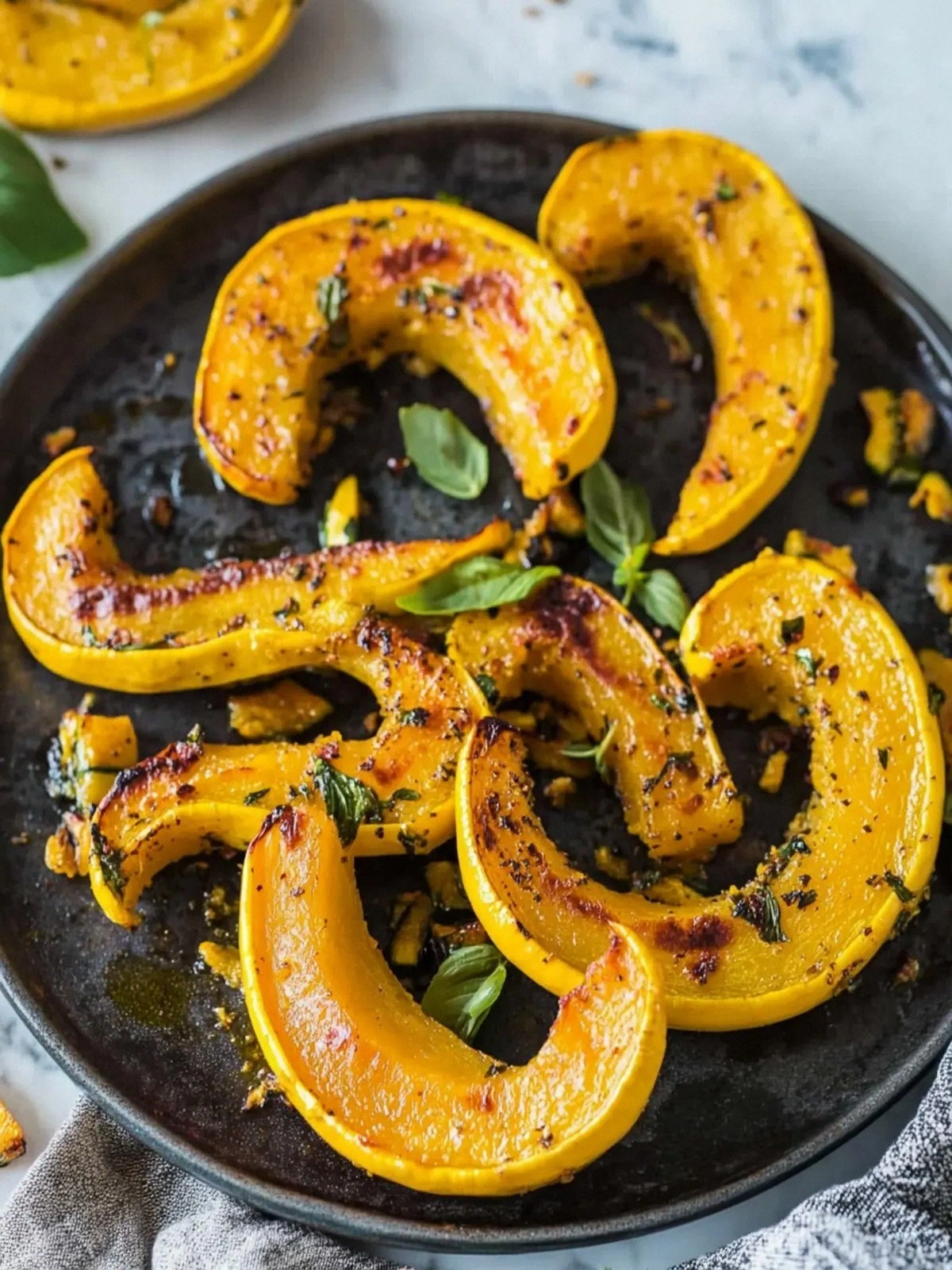
- Customizable veggies: Swap in whatever’s in season—zucchini, asparagus, or even butternut squash.
- Restaurant-quality skin: A quick broil at the end delivers crisp skin without overcooking the interior.
Ingredients You’ll Need
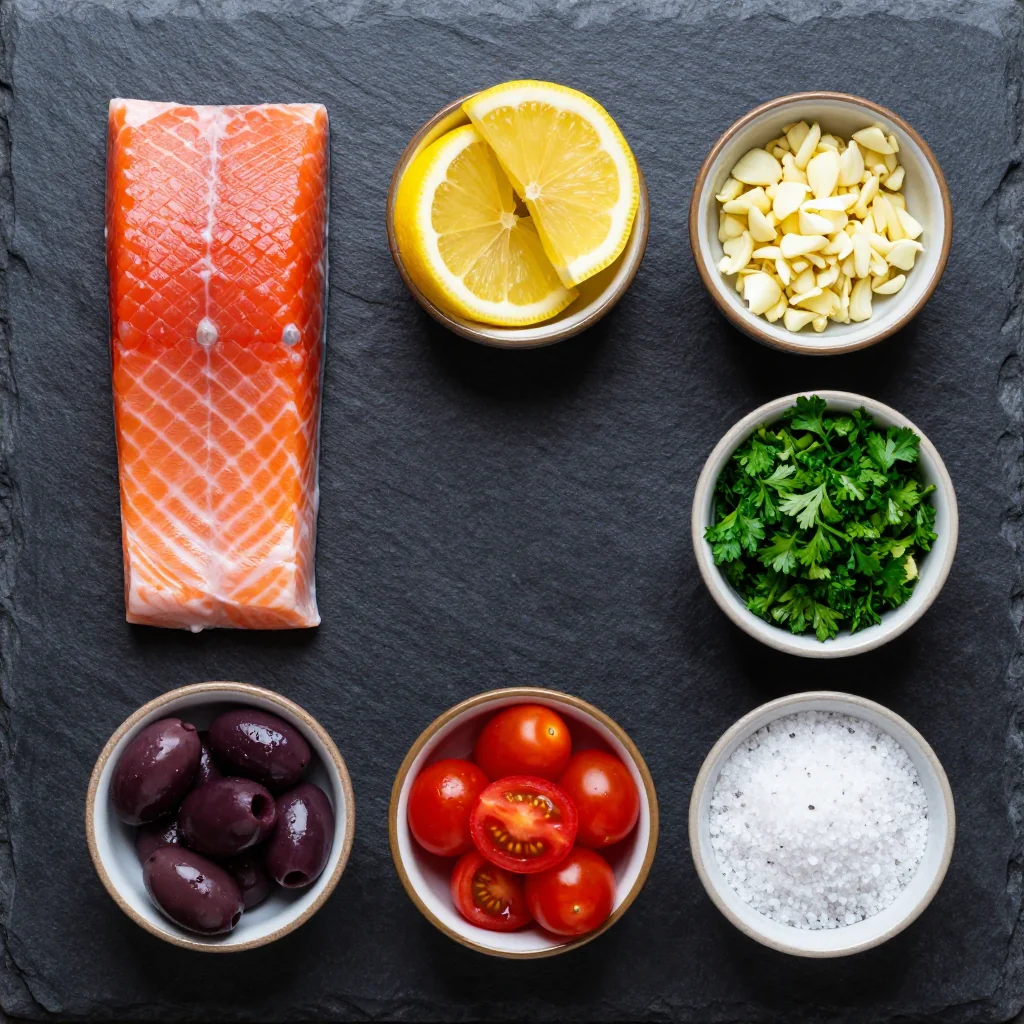
Great salmon starts at the seafood counter. Ask for center-cut, skin-on fillets that are at least 1 inch thick so they stay moist under high heat. Wild-caught Alaskan or Coho is my go-to from May through September; outside of those months, responsibly farmed Atlantic is perfectly fine and often more budget-friendly. Whatever you choose, give it the sniff test—fresh fish smells like the ocean, never “fishy.”
The Mediterranean marinade couldn’t be simpler: extra-virgin olive oil, lemon zest + juice, minced garlic, and a generous shower of fresh herbs. I use a 70-30 blend of flat-leaf parsley and dill because the combo tastes like sunshine, but fresh oregano or basil work in a pinch. The tomatoes play a dual role: they add a jammy sweetness and create a built-in sauce when their juices mingle with olive oil and fish drippings. Choose cherry or grape tomatoes that feel heavy for their size; they’re denser and won’t shrivel into nothing.
For the olives, I prefer Castelvetrano—buttery, mild, and a gorgeous shade of green—but Kalamata will give you a saltier, more intense pop. Capers lend a bright, briny hit. If you’re salt-sensitive, rinse them under cool water first. Finally, red-onion half-moons roast into mellow, almost-sweet ribbons that tie the whole dish together. If FODMAP is a concern, swap in thick slices of zucchini for a similar texture without the fructans.
How to Make Clean Eating Mediterranean Salmon for Healthy Dinners
Preheat & Prep Pans
Position a rack in the center of your oven and preheat to 425 °F (220 °C). Line a rimmed 13 × 18-inch sheet pan with unbleached parchment for easy clean-up. Lightly brush or spritz the parchment with olive oil so the tomatoes don’t stick.
Score & Pat Dry
Check each salmon fillet for pin bones, removing any with tweezers. Use a sharp knife to lightly score the skin in a crosshatch pattern—this prevents curling and helps fat render so the skin crisps. Pat the fish very dry with paper towels; surface moisture is the enemy of browning.
Whisk the Marinade
In a small bowl, combine 3 Tbsp extra-virgin olive oil, the zest of 1 large lemon, 2 Tbsp fresh lemon juice, 2 cloves garlic (minced), 1 tsp sea salt, ½ tsp freshly ground black pepper, ½ tsp sweet paprika, and a pinch of red-pepper flakes for gentle heat. Whisk until emulsified.
Marinate the Salmon
Place fillets skin-side up in a shallow dish. Spoon 1 Tbsp of marinade onto each, rubbing gently into the scored skin. Flip and coat the flesh side with the remaining mixture. Let stand at room temperature for 15 minutes while the oven heats—this takes the chill off for more even cooking.
Arrange the Veggies
Scatter 2 cups cherry tomatoes, ¼ cup pitted Castelvetrano olives, 2 Tbsp capers, and ½ thinly sliced red onion onto the parchment. Drizzle with 1 Tbsp olive oil, season with a pinch of salt and pepper, and toss to coat. Spread everything in an even layer, leaving space in the center for the salmon.
Roast Everything Together
Nestle the salmon fillets skin-side down in the center of the pan. Roast on the middle rack for 10 minutes. The tomatoes will blister and release their juices while the fish gently steams in the aromatic vapor.
Broil for Perfect Skin
Switch the oven to Broil (high) and move the pan to the upper third of the oven. Broil 2–3 minutes, watching closely, until the skin is golden brown and crisp. The USDA recommends fish reach 145 °F; I pull mine at 135 °F for carry-over cooking—silky, not chalky.
Rest & Finish
Transfer fillets to a warm platter and tent loosely with foil. Let the vegetables rest in the pan for 5 minutes so the juices thicken slightly. Finish with a squeeze of lemon, a shower of fresh dill, and an optional drizzle of good balsamic for extra depth.
Serve
Spoon the jammy tomato-olive mixture over each fillet. Pair with cauliflower rice, farro, or a simple arugula salad for a complete clean-eating dinner that clocks in under 400 calories per plate.
Expert Tips
Time Your Temps
Carry-over cooking is real. Remove salmon 5 °F before your target temperature and let residual heat finish the job for perfectly moist fillets every time.
Oil Wisely
Use a heat-tolerant EVOO with a smoke point above 420 °F (look for “high-polyphenol” on the label) to keep your kitchen free of smoke.
Parchment Power
Parchment prevents the acidic tomatoes from reacting with aluminum pans, sparing you off-flavors and protecting the pan’s finish.
Flash Freeze for Meal Prep
Portion cooled fillets into glass containers with the tomato mixture, leaving the skin off if you’ll be microwaving later to avoid rubbery texture.
Herb Stem Flavor
Toss fennel-frond-style dill stems onto the pan with the tomatoes; they perfume the oil and can be discarded before serving for subtle anise notes.
Color Pop
Mix red and yellow cherry tomatoes for visual appeal; the pigments contain different antioxidants, so you’ll diversify nutrition while you’re at it.
Variations to Try
- Spicy Moroccan: Add ½ tsp each smoked paprika and ground cumin plus a handful of chopped preserved lemon for a North-African twist.
- Citrus-Fennel: Replace dill with fresh thyme and add thin fennel wedges to the pan. Finish with orange zest.
- Asian-Fusion: Swap lime for lemon and add 1 Tbsp coconut aminos plus 1 tsp sesame oil. Top with toasted sesame seeds and scallions.
- Keto-Lean: Reduce tomatoes to 1 cup and add 1 cup zucchini noodles during the last 5 minutes of roasting for fewer carbs.
- Plant-Forward: Replace salmon with thick slabs of cauliflower “steak,” brushing with the same marinade. Roast 18 min total, flipping halfway.
Storage Tips
Refrigerate: Cool leftovers completely, then store salmon and vegetables in a shallow airtight container for up to 4 days. Keep the skin on to lock in moisture; remove just before reheating if you dislike the texture.
Reheat: For best results, place fillets in a 275 °F oven for 8–10 minutes or until just warmed through. Microwave works in a pinch—use 50 % power, cover loosely, and heat in 30-second bursts.
Freeze: Wrap each fillet (minus skin) in parchment, then foil, and freeze up to 2 months. Thaw overnight in the fridge and reheat as above. The tomatoes can be frozen separately in ice-cube trays for quick single-serve sauces.
Meal-Prep Grain Bowls: Cube cold salmon and toss with cooked farro, chopped cucumbers, and a dollop of tzatziki. The flavors marry overnight for next-level desk lunches.
Frequently Asked Questions
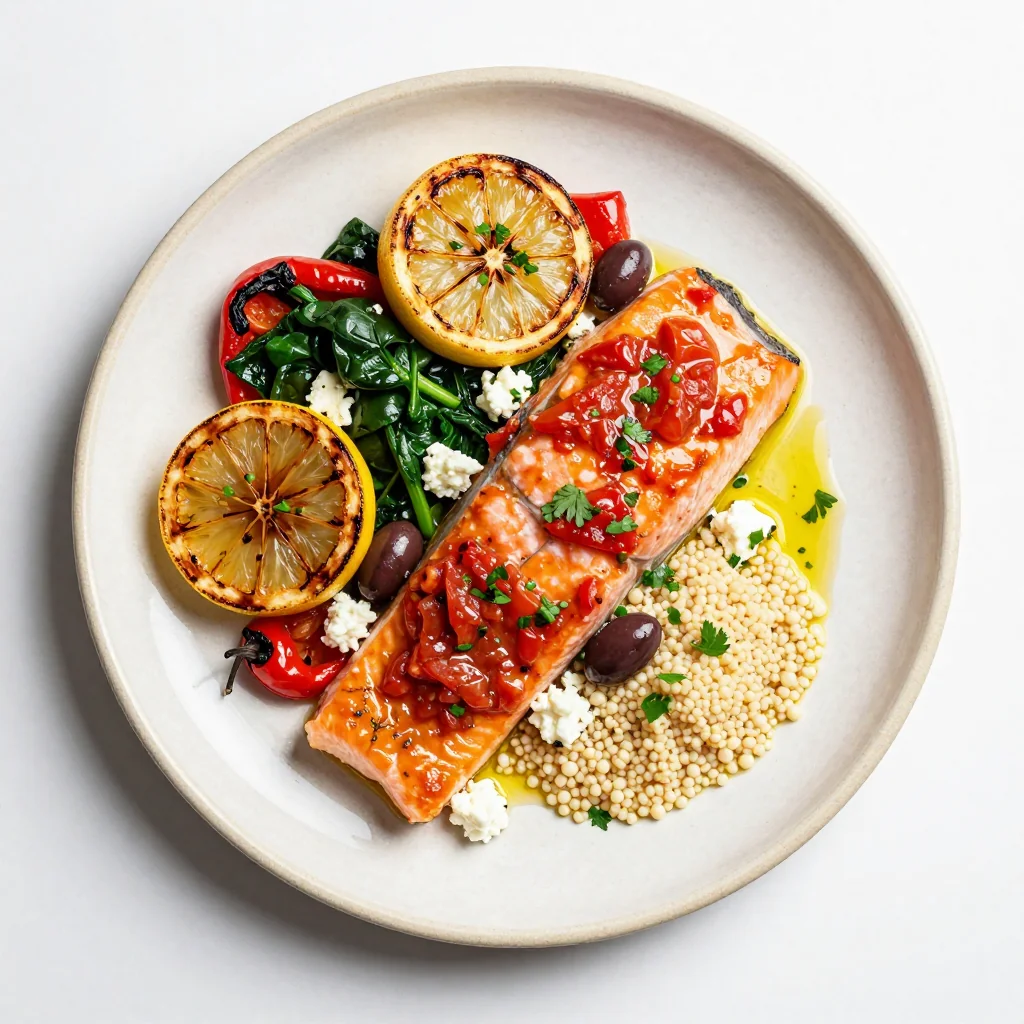
Clean Eating Mediterranean Salmon for Healthy Dinners
Ingredients
Instructions
- Preheat: Set oven to 425 °F. Line a rimmed sheet pan with parchment.
- Make marinade: Whisk 2 Tbsp olive oil, lemon zest, lemon juice, garlic, salt, pepper, paprika, and red-pepper flakes.
- Prep salmon: Score skin, pat dry, and coat with marinade; rest 15 min.
- Add veggies: Toss tomatoes, olives, capers, onion with remaining 1 Tbsp oil on the pan.
- Roast: Place salmon skin-down among veggies; roast 10 min.
- Broil: Broil 2–3 min to crisp skin, then rest 5 min. Garnish with dill and serve.
Recipe Notes
For even cooking, buy fillets of uniform thickness. An instant-read thermometer is your insurance policy against overcooking.